Every year, hundreds of workers suffer severe injuries—or worse—due to unexpected equipment startup during maintenance. The root cause? A missing or poorly implemented lockout tagout (LOTO) procedure. While OSHA mandates energy control programs, many facilities still operate without standardized, accessible documentation. That’s where a free lockout tagout procedure template becomes essential: it’s not just a compliance checkbox, but a lifeline for your team.
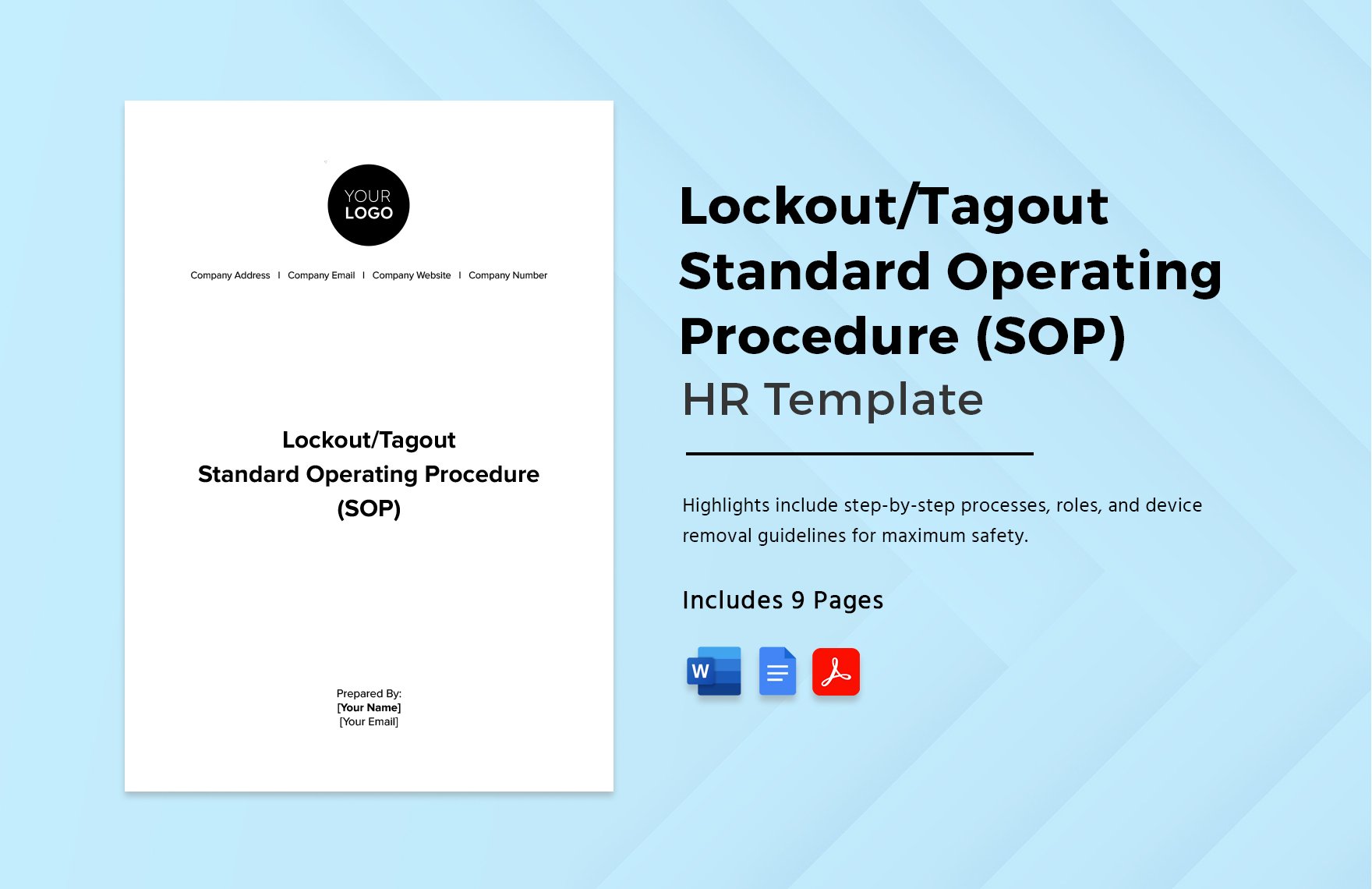
A well-structured LOTO template saves time, reduces errors, and ensures every technician follows the same protocol—regardless of experience level. More importantly, it turns abstract safety policies into actionable steps. This guide delivers not only insight into what makes an effective template but also how to use it correctly, where to get one, and what to avoid.
Why You Need a Lockout Tagout Procedure Template
Templates aren’t shortcuts—they’re force multipliers for safety. Without a consistent format, LOTO procedures vary from one worker to the next, increasing the risk of missed steps or miscommunication. A standardized template ensures that every energy source is identified, isolated, and verified before work begins.
Consider this real-world scenario: a maintenance technician shuts off a conveyor belt but fails to lock out the hydraulic system powering it. Another worker, unaware of the maintenance, restarts the system remotely. The result? A crushed hand and a six-figure OSHA fine. A proper LOTO template would have listed all energy sources—including secondary systems—and required verification steps to prevent such an incident.
Templates also accelerate training. New employees can follow step-by-step instructions instead of relying on tribal knowledge. Supervisors gain consistency in audits. And in the event of an inspection, you can prove due diligence with documented, repeatable procedures.
Key Components of an Effective LOTO Template
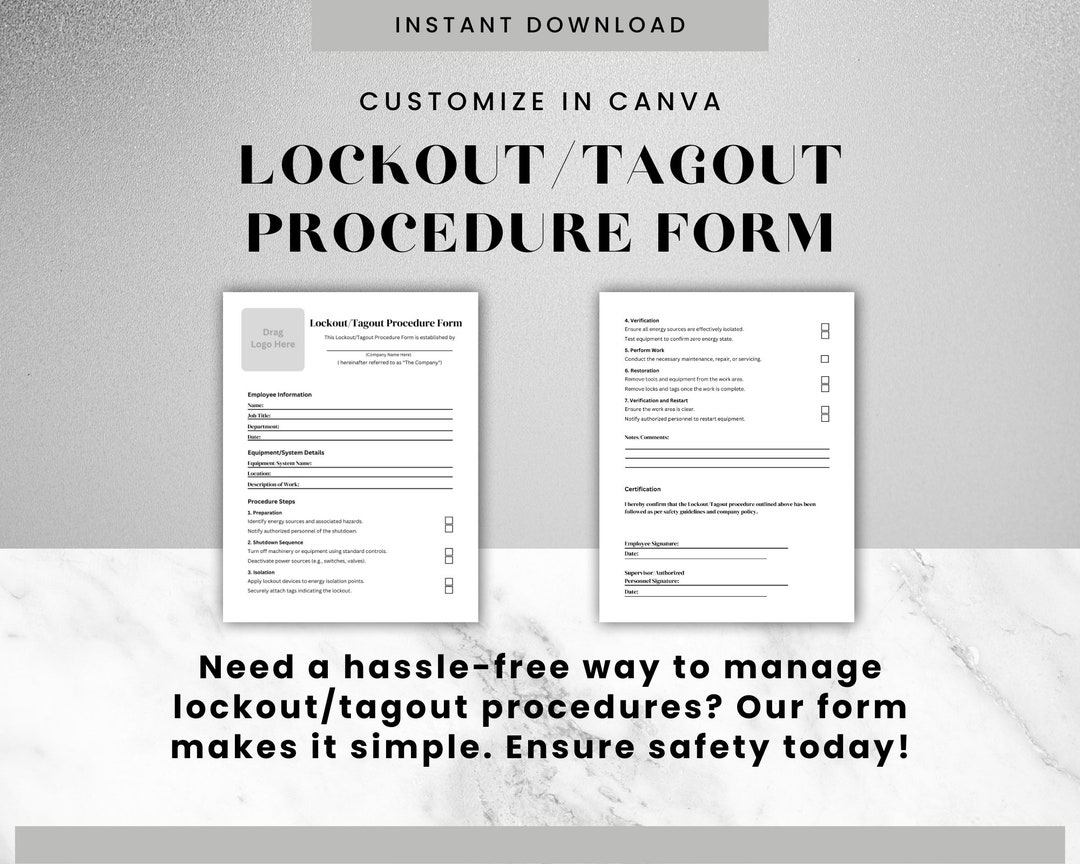
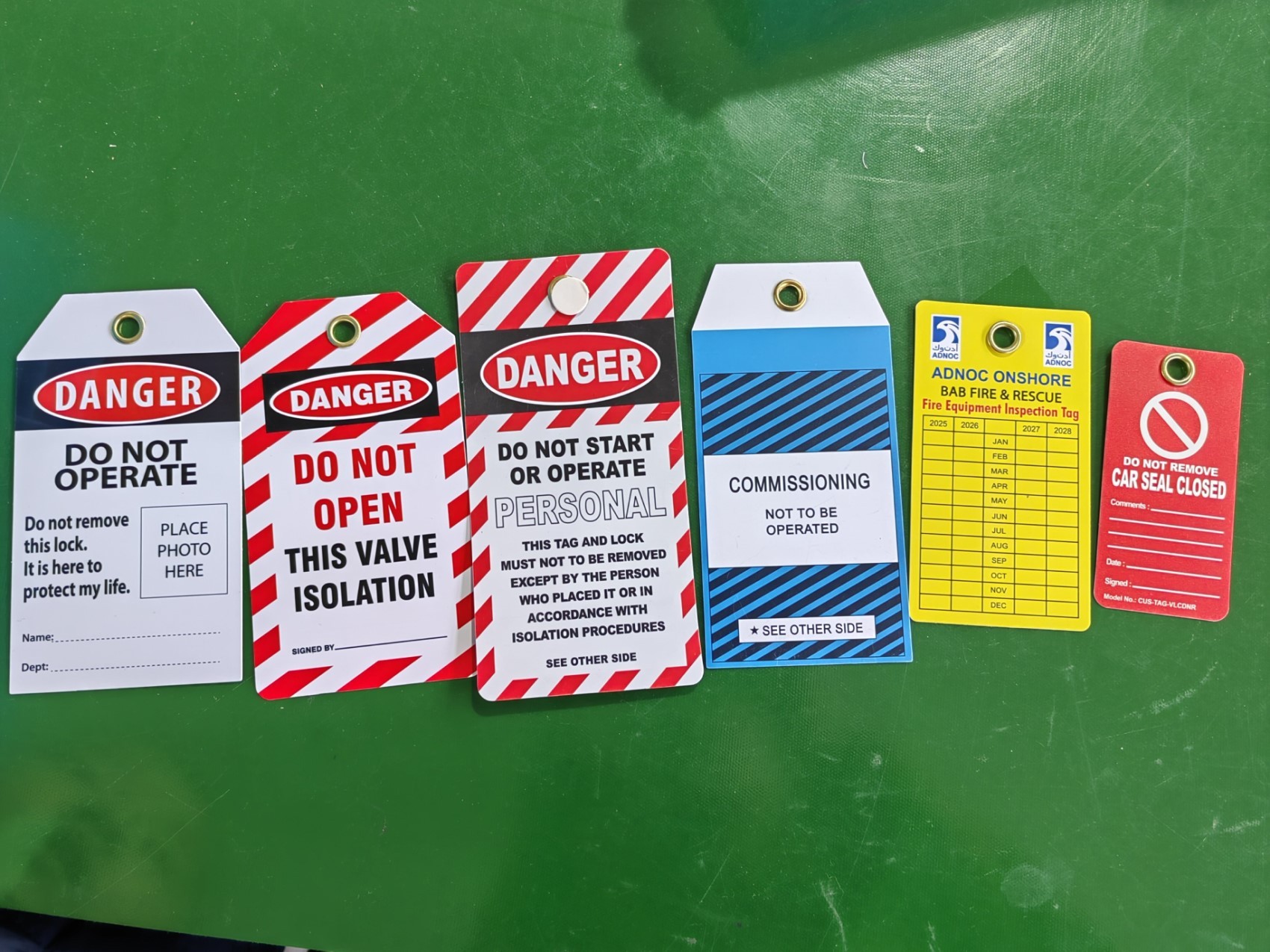
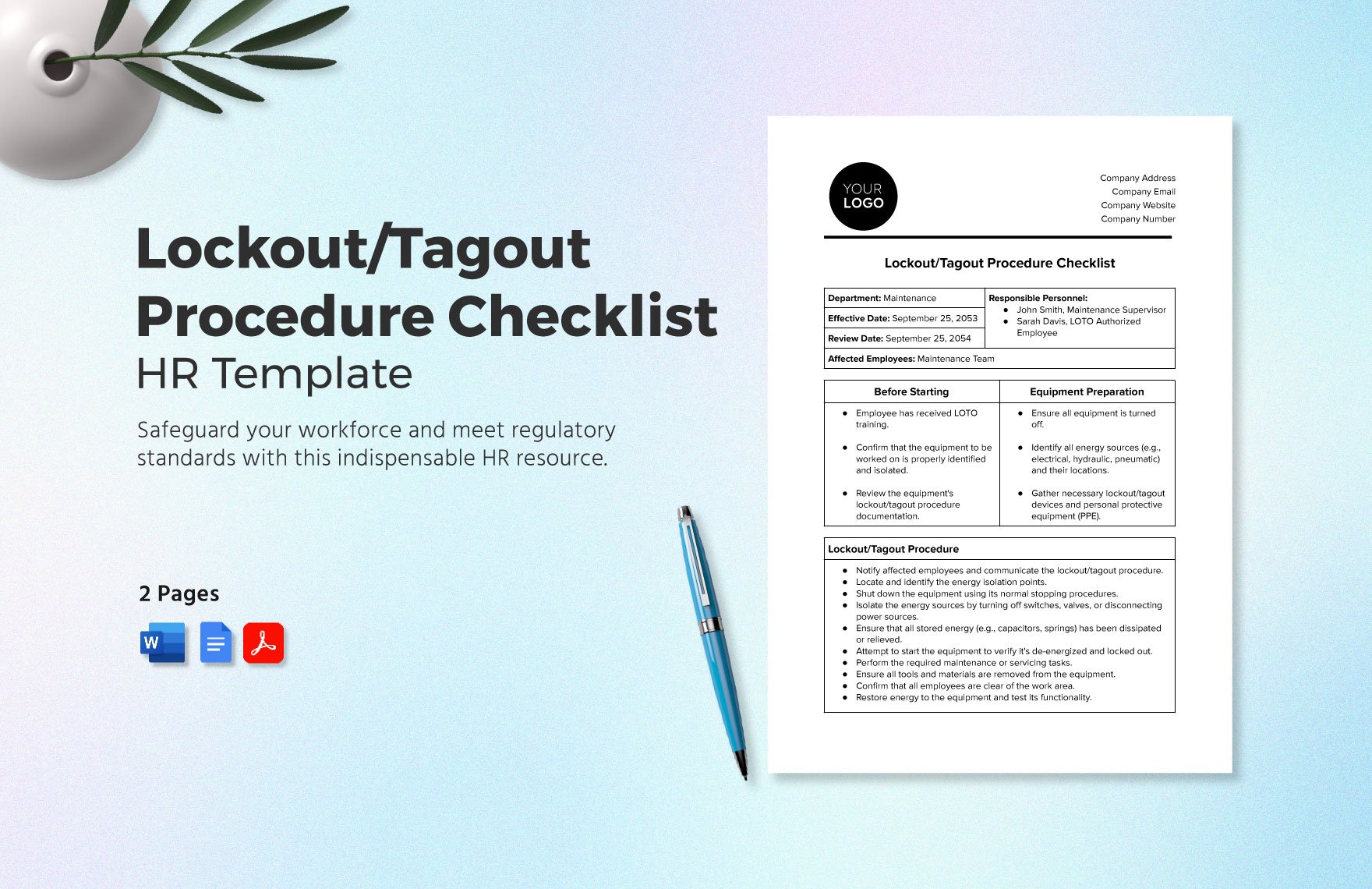
A good lockout tagout procedure template isn’t just a checklist—it’s a comprehensive document that covers every phase of energy isolation. Here are the non-negotiable elements your template must include:
1. Equipment Identification Clearly name the machine or system being serviced. Include model number, location, and any unique identifiers (e.g., “Conveyor Belt #3, West Wing Assembly Line”).
2. Energy Source Inventory List every energy type involved: electrical, pneumatic, hydraulic, thermal, chemical, and gravitational. Don’t overlook stored energy—springs, capacitors, or elevated parts can be just as dangerous as live circuits.
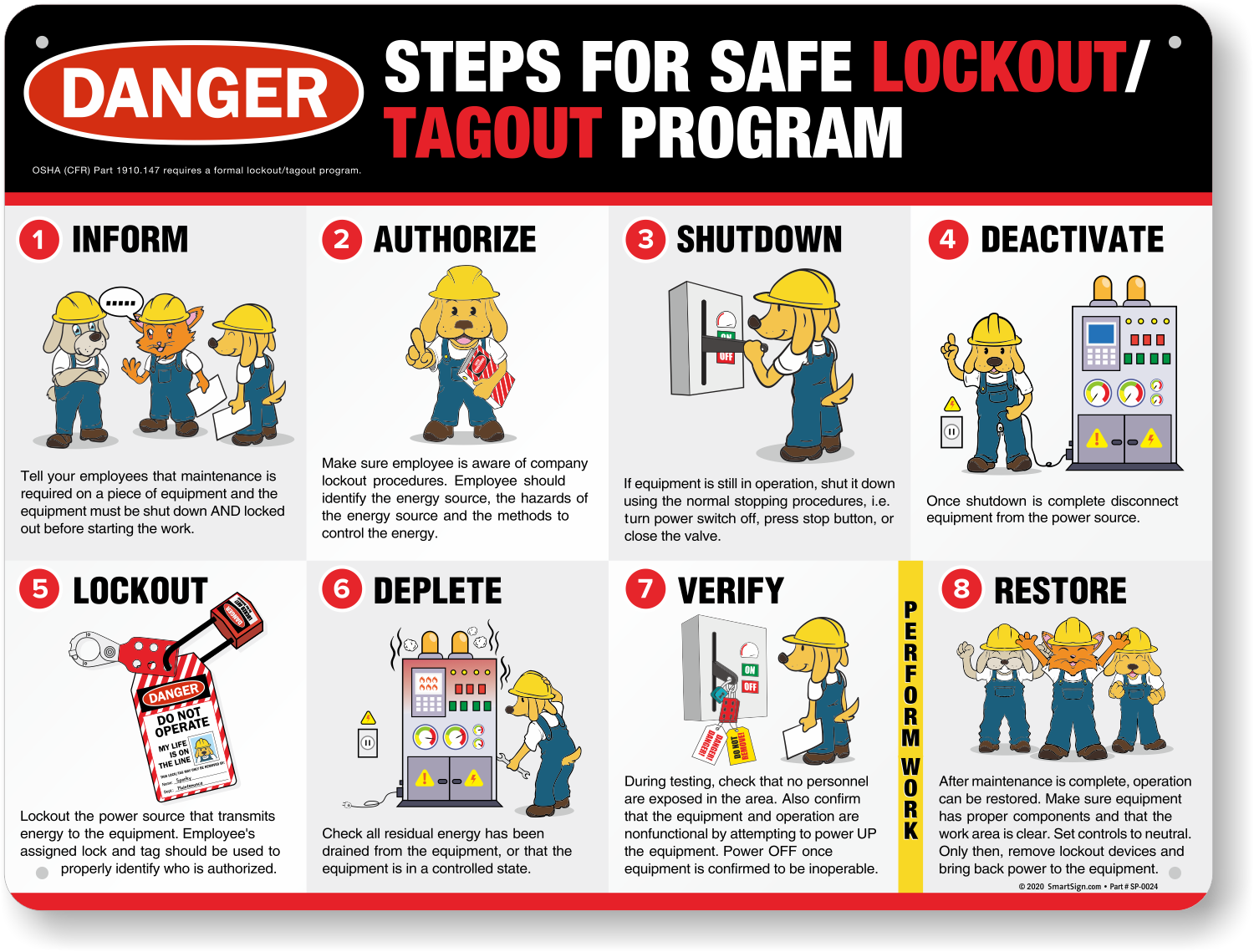
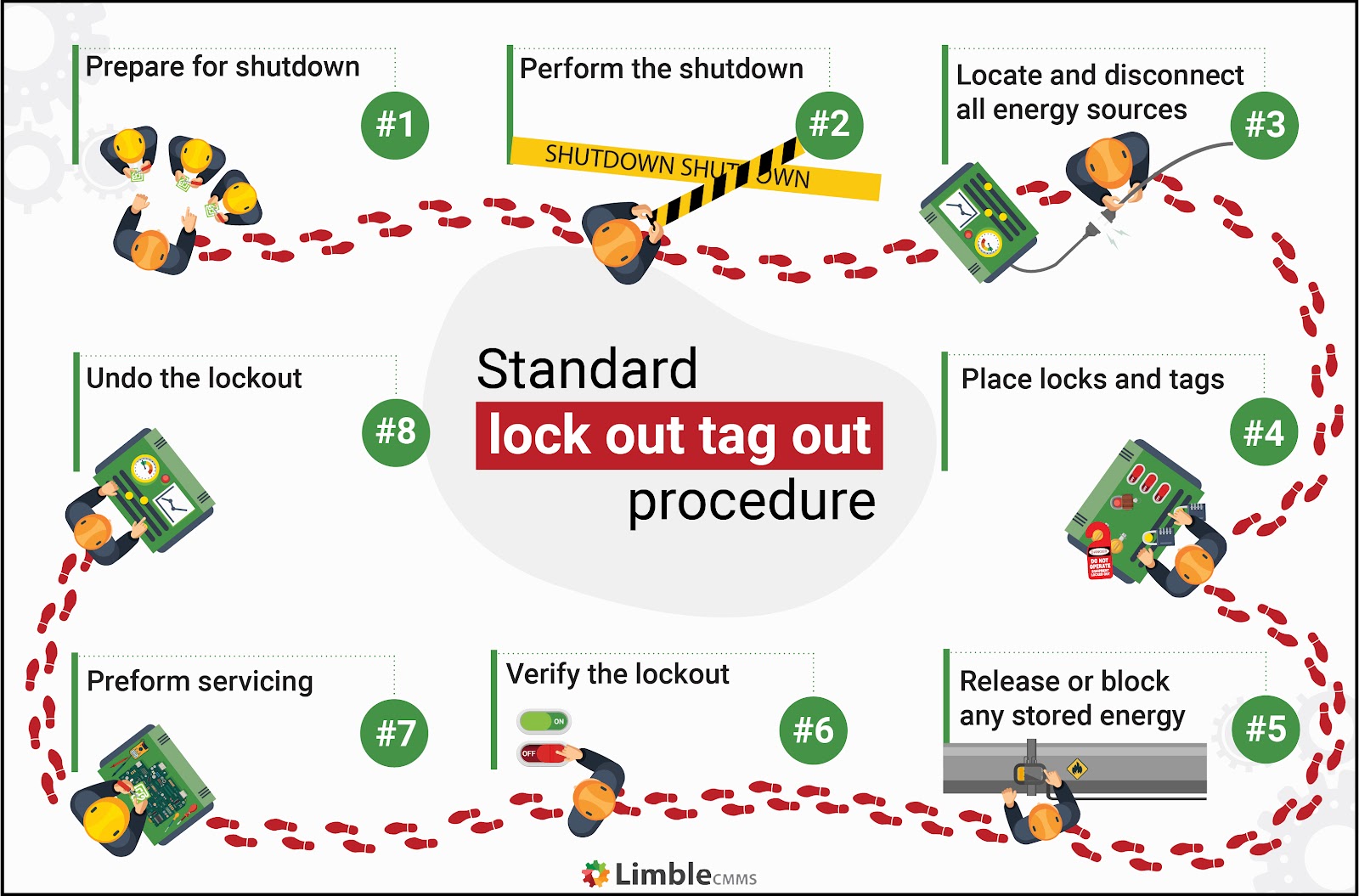
3. Shutdown Steps Detail the exact sequence for powering down the equipment safely. This should include both operational shutdown (via control panel) and mechanical isolation (valves, disconnects).
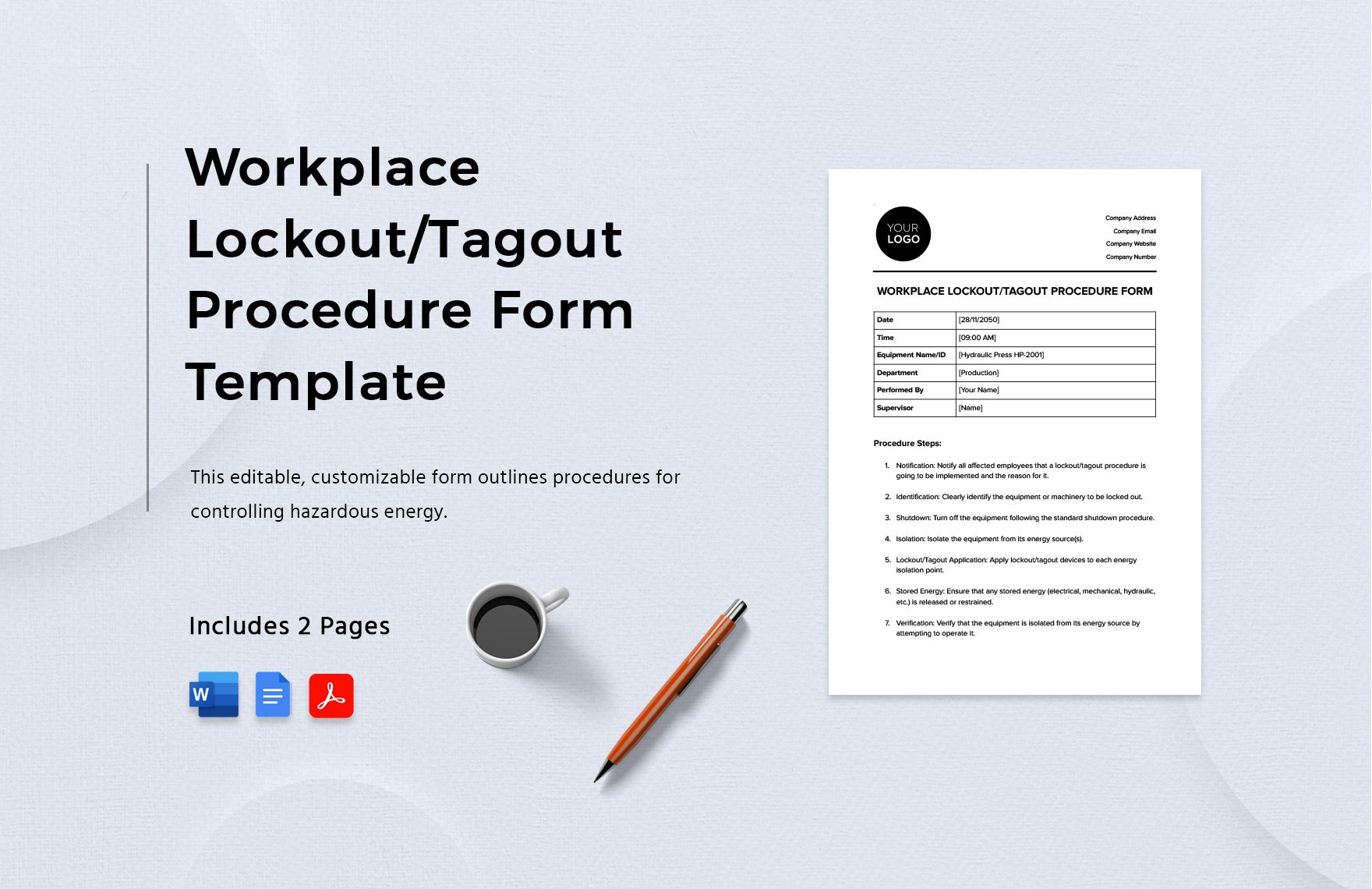
4. Isolation Points Specify lockout locations—circuit breakers, valves, disconnect switches—with exact descriptions or diagrams. Include lockbox numbers if applicable.
5. Lock Application Identify who applies locks, the type of lock (e.g., keyed, combination), and whether group lockout protocols apply. Each worker must apply their own lock.
6. Verification of Isolation Require a “zero energy check” before work begins. This means testing for voltage, pressure, motion, or temperature to confirm the system is truly de-energized.
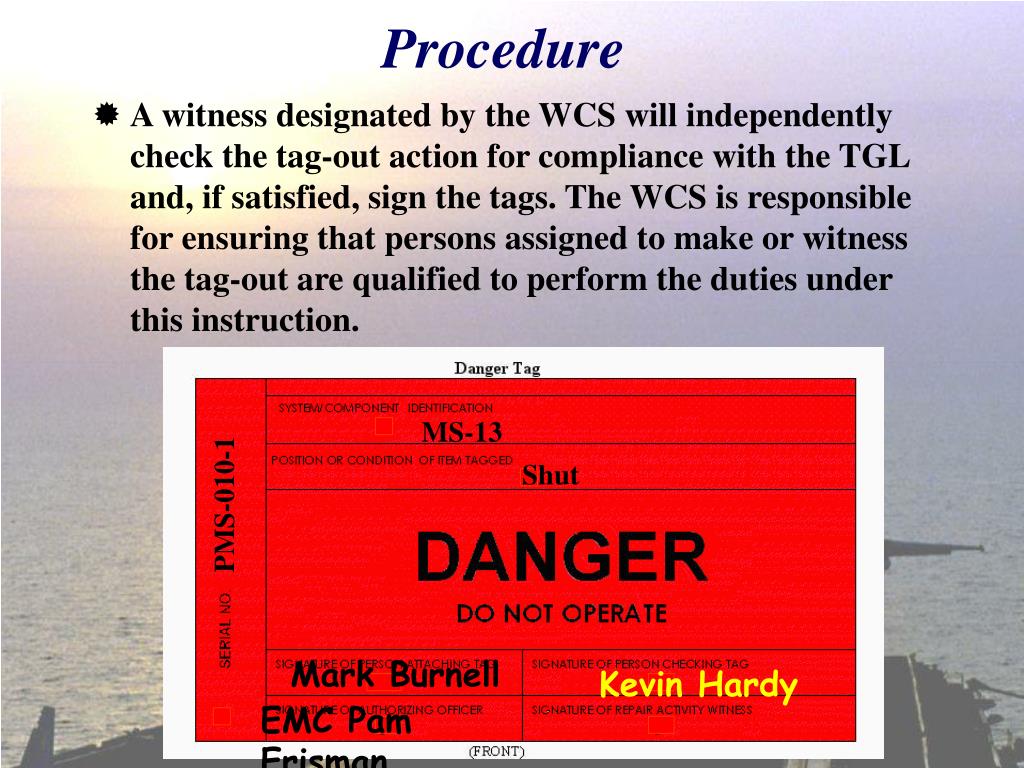
7. Tag Information Include required tag details: worker name, department, time of lockout, reason for maintenance, and contact info.
8. Restoration Protocol Outline the steps to safely re-energize the equipment, including lock removal, communication with team members, and startup authorization.
Without these components, your LOTO procedure is incomplete—and likely non-compliant with OSHA 29 CFR 1910.147.
Where to Find Reliable Free Lockout Tagout Templates
Many organizations reinvent the wheel when free, high-quality LOTO templates already exist. The key is sourcing them from credible providers with a track record in safety compliance.
Below are five trusted sources offering free, downloadable lockout tagout procedure templates:
| Source | Template Features | Download Format | Notes |
|---|---|---|---|
| OSHA.gov | Official OSHA-compliant format, includes flowchart | Best for regulatory alignment | |
| National Safety Council (NSC) | Industry-agnostic, editable fields | Word & PDF | Great for customization |
| Creative Safety Supply | Visual aids, multilingual options | PDF & Excel | Ideal for facilities with diverse teams |
| SafetySmart Templates | Step-by-step guidance, built-in verification | Word | User-friendly for small teams |
| LockoutTagout.com | Industry-specific versions (manufacturing, HVAC) | PDF & Word | Highly detailed, ready to use |
Always verify that the template aligns with your equipment and operations. A generic form may miss critical steps unique to your machinery.
Common Mistakes When Using Free LOTO Templates
A free template only works if implemented correctly. Too often, companies download a form, print it once, and assume they’re compliant. Here are the most frequent pitfalls:
- Using one template for all machines
- Each piece of equipment has unique energy sources. A boiler requires different isolation than a CNC machine. Customize each procedure.
- Skipping the energy inventory
- Failing to document all energy types leads to incomplete lockouts. Use a P&ID (Piping and Instrumentation Diagram) or maintenance manual to verify.
- Allowing “buddy locks” or shared devices
- OSHA requires personal locks. One employee shouldn’t apply locks for another.
- Neglecting periodic inspections
- OSHA mandates annual audits of LOTO procedures. Without follow-up, even the best template becomes obsolete.
- Overlooking contractor involvement
- Outside technicians must follow your LOTO process. Include them in training and ensure they use your system.
A template is only as strong as the discipline behind it.
How to Customize Your Free LOTO Template
Downloaded a template? Now make it your own. Here’s how to adapt it for real-world use:
- Conduct an equipment audit
- Walk through each machine. Identify every energy source and isolation point. Take photos or diagrams to attach to the procedure.
- Involve frontline workers
- Maintenance teams know the quirks of each system. Their input ensures accuracy and buy-in.
- Integrate with existing safety systems
- Link your LOTO procedure to work orders, permit-to-work systems, or CMMS platforms like UpKeep or Fiix.
- Add visual cues
- Insert icons, color codes, or QR codes that link to training videos or equipment manuals.
- Test before rollout
- Run a mock lockout with your team. Time the process, identify bottlenecks, and refine the template.
For example, a food processing plant in Wisconsin used a free NSC template but added thermal energy warnings for steam lines and a pre-check for residual product in mixers. These small edits prevented three near-misses in the first quarter.
Digital vs. Paper-Based LOTO Procedures: What Works Best
While paper templates are accessible, digital systems offer superior control and traceability.
Paper-Based Pros: - No tech required - Easy to post near equipment - Familiar to most workers
Paper-Based Cons: - Hard to update - Prone to damage or loss - No audit trail
Digital Pros: - Real-time updates - Integration with mobile devices and lockout stations - Automated reminders for lock removal
Digital Cons: - Requires training - Dependent on device availability
For most modern facilities, a hybrid approach works best: use a free downloadable template as the foundation, then digitize it using a platform like Safetech LOTO or Win-911. This keeps the process accessible while adding accountability.
Final Steps: Implementing Your Free LOTO Template
Having a template is just the beginning. To ensure it becomes part of your safety culture:
- Train everyone—not just maintenance, but operators, supervisors, and contractors.
- Post procedures near equipment where they’re easy to access.
- Conduct unannounced drills to test response and knowledge.
- Assign a LOTO coordinator to manage updates and audits.
- Review after any incident or near-miss to identify gaps.
Download a free lockout tagout procedure template today, but don’t stop there. Customize it, enforce it, and live it. Because when it comes to energy control, the difference between safety and disaster isn’t just a form—it’s a habit.
Frequently Asked Questions
What is a lockout tagout procedure template? A standardized document that outlines the steps to safely isolate energy sources during equipment maintenance. It ensures consistency and compliance with OSHA regulations.
Is a free LOTO template legally valid? Yes, as long as it meets OSHA 29 CFR 1910.147 requirements and is customized to your equipment and operations.
Can I use the same template for multiple machines? No. Each machine has unique energy sources and isolation points. Use the template as a framework, but create individual procedures for each piece of equipment.
Who should apply locks during maintenance? Each authorized employee working on the equipment must apply their own lock and tag. Shared or group locks are only allowed under specific group LOTO protocols.
How often should LOTO procedures be reviewed? At least annually, or whenever equipment changes, processes are modified, or an incident occurs.
Do contractors need to follow my LOTO procedure? Yes. Outside technicians must be trained on and comply with your facility’s energy control program.
Where should completed LOTO forms be stored? Keep them on file for audit purposes. Digital systems automatically archive records, while paper forms should be stored in a secure, accessible location.
FAQ
What should you look for in Free Lockout Tagout Procedure Template for Workplace Safety? Focus on relevance, practical value, and how well the solution matches real user intent.
Is Free Lockout Tagout Procedure Template for Workplace Safety suitable for beginners? That depends on the workflow, but a clear step-by-step approach usually makes it easier to start.
How do you compare options around Free Lockout Tagout Procedure Template for Workplace Safety? Compare features, trust signals, limitations, pricing, and ease of implementation.
What mistakes should you avoid? Avoid generic choices, weak validation, and decisions based only on marketing claims.
What is the next best step? Shortlist the most relevant options, validate them quickly, and refine from real-world results.