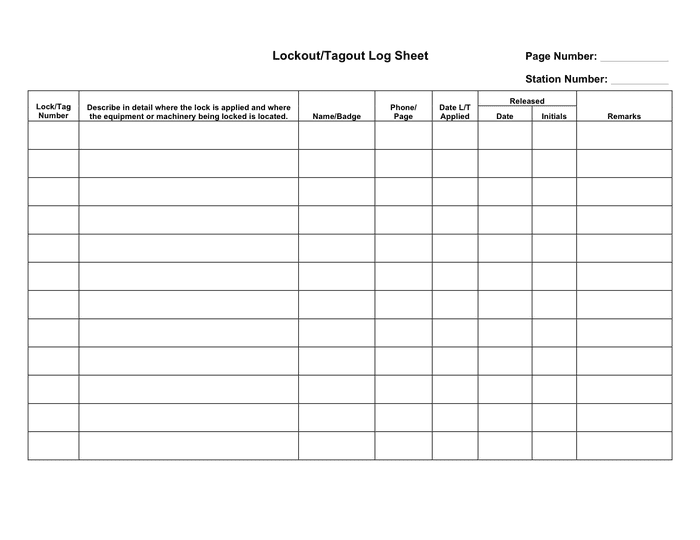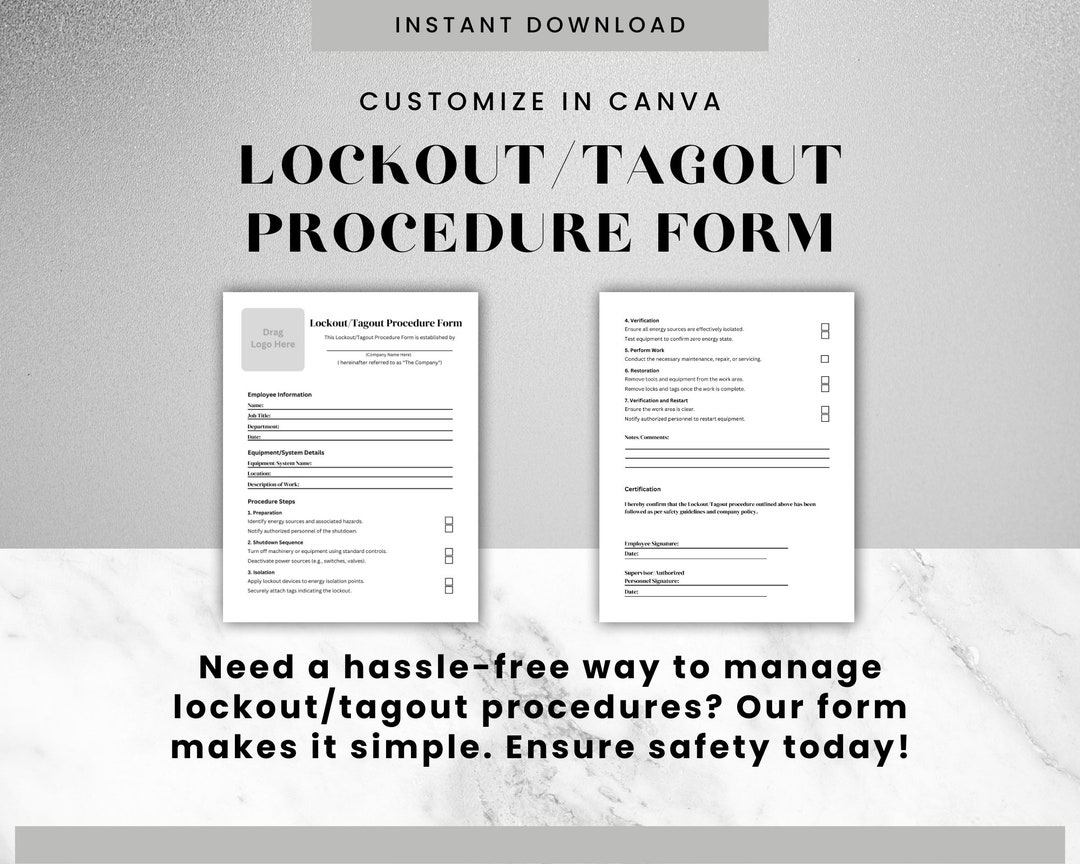
Every year, hundreds of workers suffer serious injuries during equipment servicing because proper lockout tagout (LOTO) procedures weren’t followed. A clear, well-documented sample lockout tagout procedure form isn’t just paperwork—it’s a frontline defense against unexpected energization, startup, or release of stored energy. Without it, even routine maintenance becomes high-risk.
A strong LOTO form standardizes safety steps, ensures accountability, and supports OSHA compliance under 29 CFR 1910.147. But finding a practical, customizable sample that fits real-world operations can be frustrating. Generic templates often miss critical details. This guide delivers a robust example, explains each component, and shows how to adapt it to your environment.
Why a Sample LOTO Procedure Form Matters
A lockout tagout procedure form is more than a checklist—it’s a step-by-step roadmap for safely de-energizing machinery. Without one, workers rely on memory or informal practices, increasing the risk of human error.
Consider a maintenance technician servicing a conveyor system. If they assume the power is off but fail to verify isolation points or overlook a secondary energy source like hydraulic pressure, the result could be catastrophic.
A standardized sample form eliminates ambiguity by: - Identifying all energy sources (electrical, pneumatic, chemical, thermal) - Specifying exact lockout points - Naming authorized personnel - Documenting verification steps
Facilities that use detailed LOTO forms see fewer incidents, faster servicing times, and smoother audits. The sample form isn’t a one-size-fits-all solution—it’s a foundation to build on.
Key Elements of an Effective LOTO Procedure Form
A useful sample isn’t just a list of steps. It includes structural components that make compliance actionable. Here’s what should be in every form:
#### 1. Equipment Identification Clearly name the machine or system (e.g., “Packaging Line #3 Filler Station”). Include model number, location, and asset ID. This prevents confusion, especially in facilities with similar equipment.
#### 2. Energy Source Inventory List every energy type: - Electrical (main disconnect, control circuits) - Pneumatic (air lines, pressure valves) - Hydraulic (fluid reservoirs, accumulators) - Mechanical (springs, gravity-fed components) - Thermal (heated surfaces, steam lines)
Example: A CNC press might have electrical power, hydraulic rams, and residual spring tension—all requiring isolation.
#### 3. Authorized Personnel Section Designate who can perform the lockout. Only trained, authorized employees should execute LOTO. The form should include spaces for their name, employee ID, and signature.
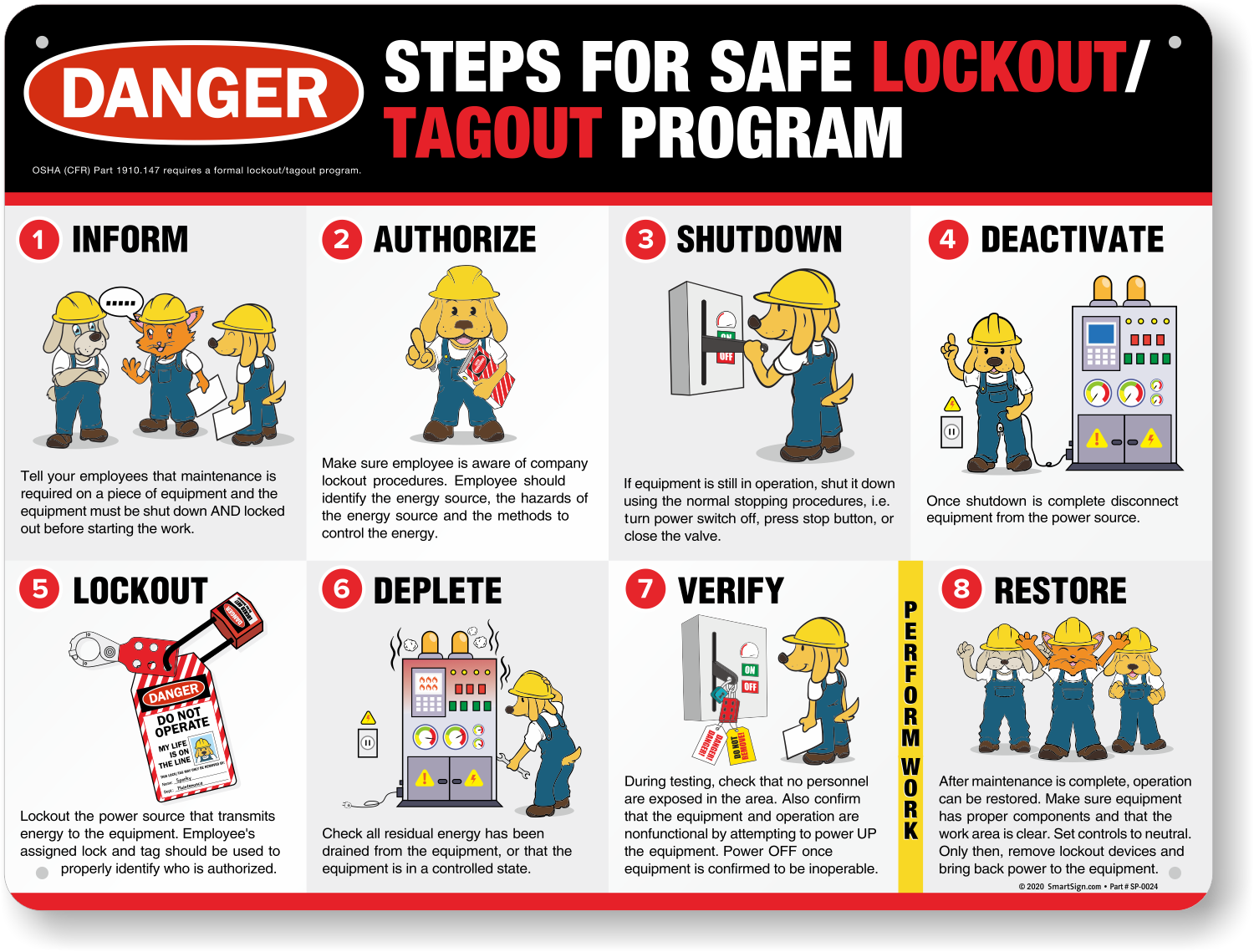
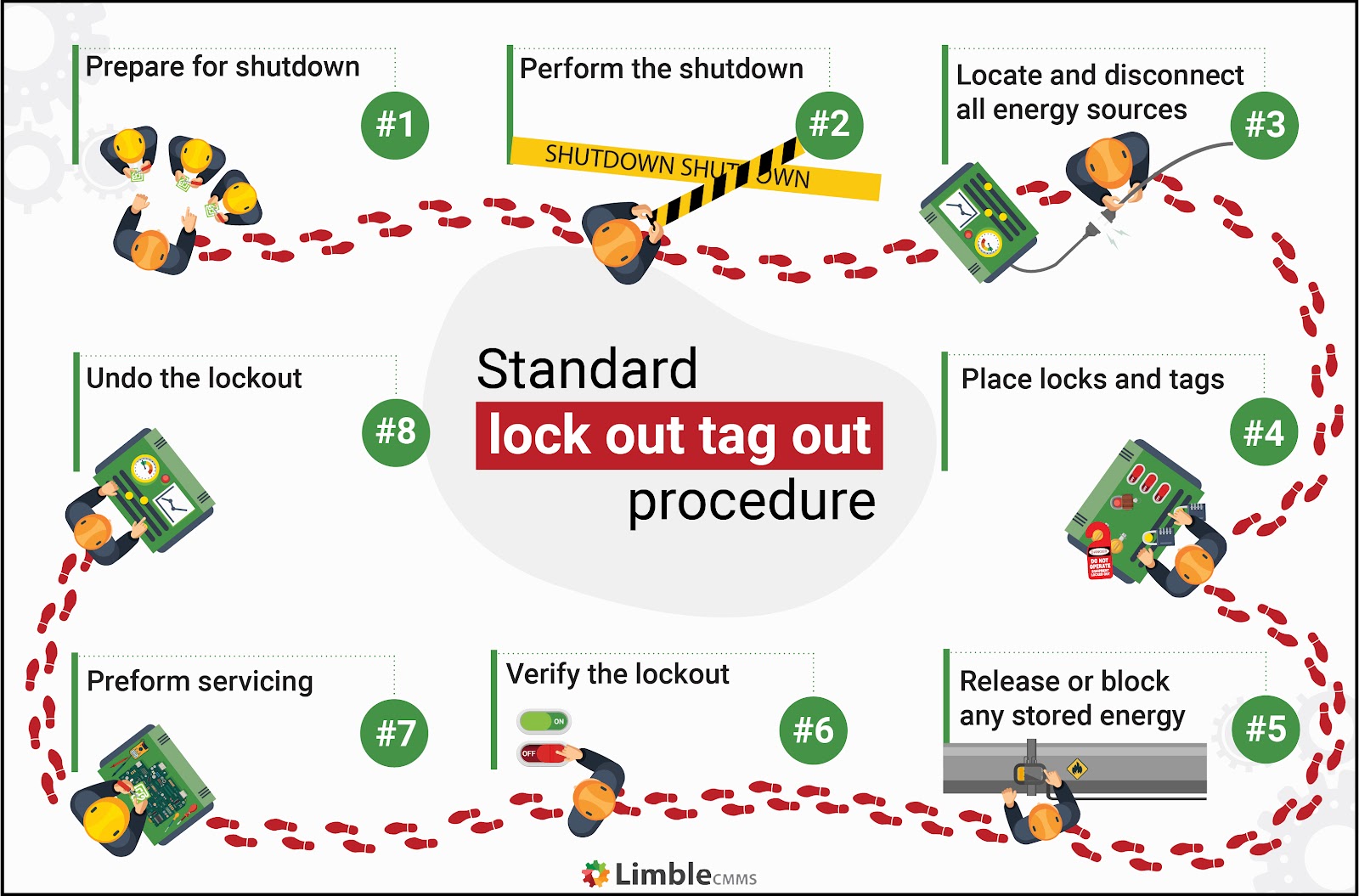
#### 4. Step-by-Step Shutdown and Isolation Break down the process: - Notify affected workers - Shut down equipment using normal controls - Isolate all energy sources (with specific valve or breaker IDs) - Apply lockout devices and personal tags - Release or block stored energy (e.g., bleed air lines, block moving parts)
This section must be machine-specific. A boiler shutdown differs from a robotic arm lockout.
#### 5. Verification of Zero Energy This is the most critical step. The form must require proof that energy is isolated. Include: - Testing methods (e.g., voltage tester on circuit) - Observation of no movement - Confirmation by the authorized employee
Never skip verification—even if the switch is off.
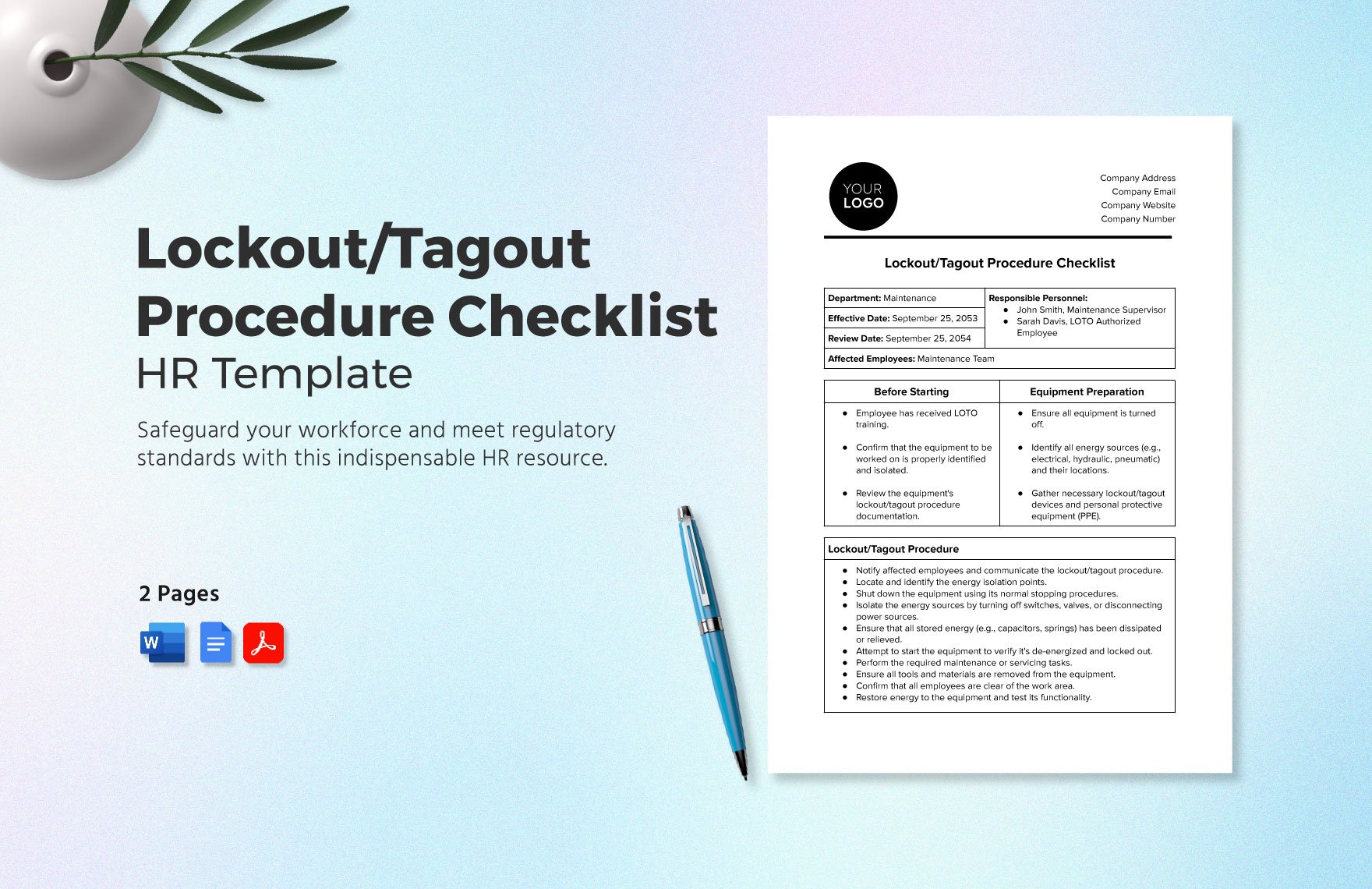
#### 6. Group Lockout Support For team-based maintenance, the form should include provisions for a primary lockbox, with each technician applying their personal lock. The master lock is removed only when all individual locks are off.
#### 7. Restoration Procedure Detail how to safely restart: - Confirm work is complete - Remove tools and guards - Notify all affected employees - Remove locks and tags - Restore energy gradually
Rushing re-energization causes accidents. The form enforces discipline.
Sample Lockout Tagout Procedure Form Template
Below is a realistic example you can adapt for your facility:
LOCKOUT TAGOUT PROCEDURE FORM Equipment: Conveyor System – Line B Location: West Assembly Floor Asset ID: CONV-WB-007
Energy Sources: ☐ Electrical – Main Disconnect (Panel DB-12, Breaker #4) ☐ Mechanical – Drive Belt Tensioner ☐ Potential – Gravity-fed rollers (must be blocked)
Authorized Employee: Name: ________________________ Employee ID: __________ Signature: ___________________ Date/Time: __________
- Shutdown Steps:
- Notify production supervisor and affected workers.
- Press emergency stop and turn selector switch to “Off.”
- Locate main disconnect at Panel DB-12, open Breaker #4.
- Apply lockout hasp and personal lock.
- Bleed residual pressure from air lines at valve V-3.
- Insert mechanical block on roller feed line.
- Test for zero energy: Use voltage tester on control circuit. Confirm no movement.
Verification: Initials: _____ Date/Time: _____
- Group Lockout (if applicable): ☐ Primary Lockbox Used — Lock # ______ Technicians:
- ___________________
- ___________________
- Restoration Steps:
- Confirm tools removed and guards reinstalled.
- Notify supervisor and evacuate area.
- Remove personal locks only.
- Close breaker, remove lockout hasp.
- Restart using controlled sequence.
Final Authorization: Name: ________________________ Signature: ___________________ Time: __________
This sample balances detail with usability. It’s not cluttered, yet covers all OSHA-required elements. Customize fields like equipment ID, energy sources, and isolation points for each machine.
Common Mistakes to Avoid
Even with a solid sample form, LOTO failures happen due to oversight. Watch for these pitfalls:
- Using the same form for different machines – A plastic extruder and a forklift charger have different energy risks. Customize each.
- Skipping verification – Workers assume power is off because a switch was flipped. Always test.
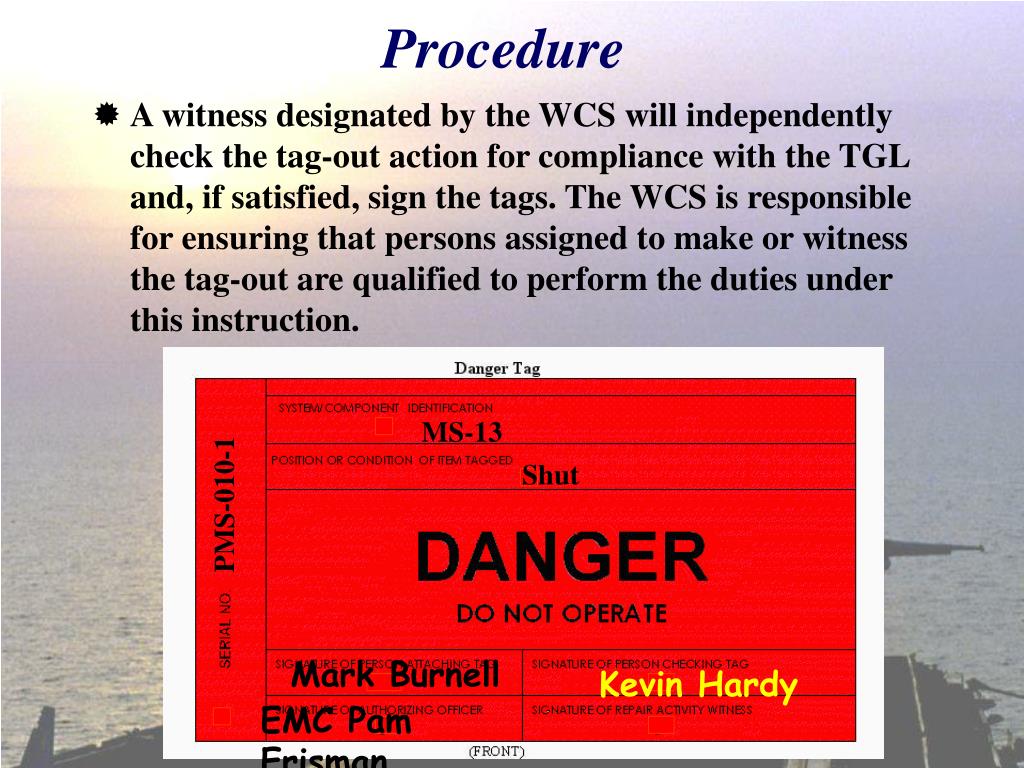
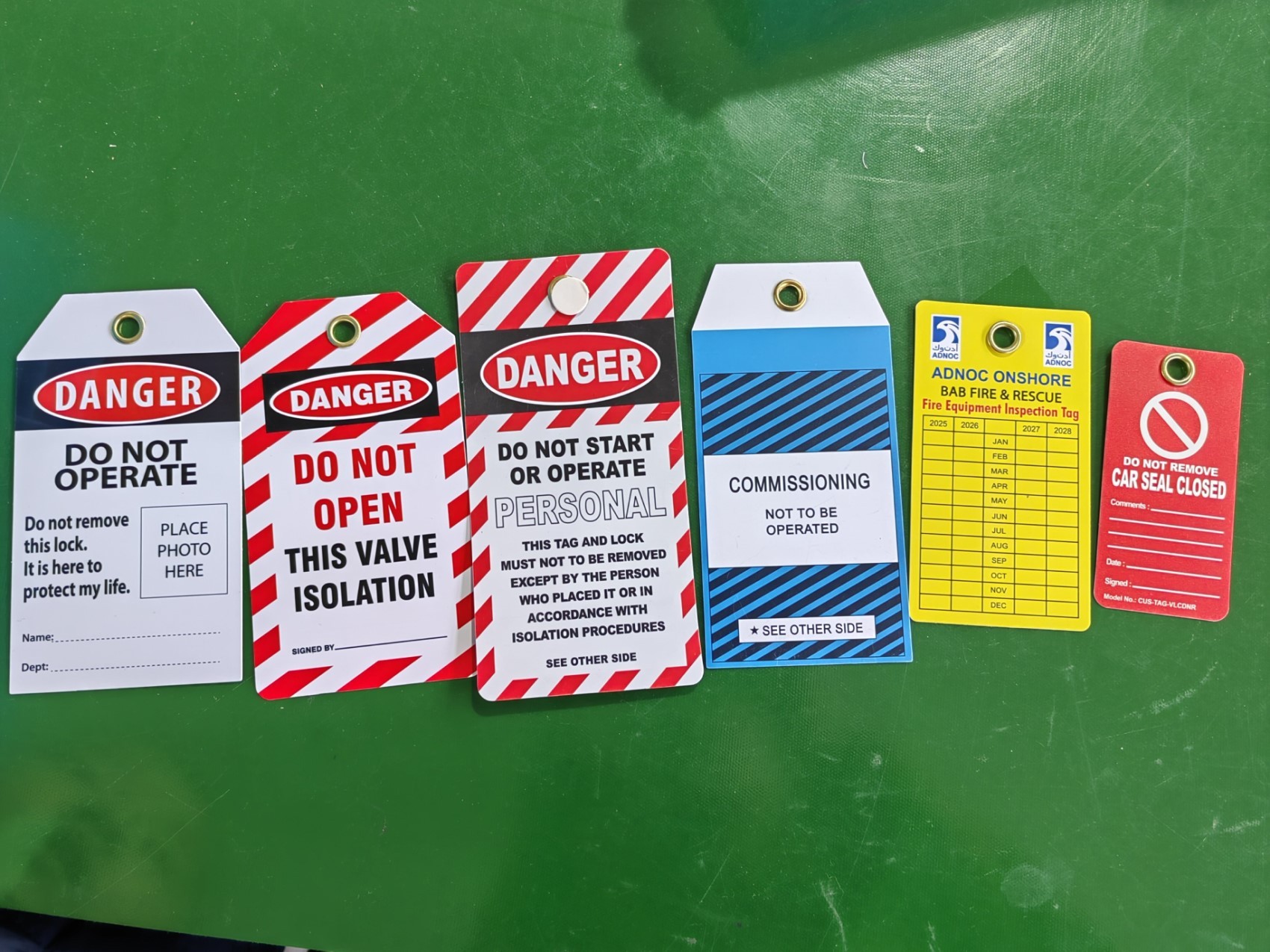
- Tag-only approaches – Tags can be ignored. Locks physically prevent energization.
- Inadequate training – Authorized employees must understand the form, not just fill it out.
- Poor form accessibility – If the LOTO form is buried in a binder, it won’t be used. Post it near the machine or store digitally with quick access.
One plant reduced LOTO incidents by 70% simply by laminating forms and mounting them at isolation points. Visibility drives compliance.
How to Customize the Sample for Your Facility
Start with the sample above, then refine it:
- Conduct an Energy Audit
- Walk through each machine. Map every energy source and isolation point. Involve maintenance staff—they know where hidden hazards live.
- Use Visual Aids
- Add diagrams or photos showing lockout points. A schematic of a motor control center with breaker numbers saves confusion.
- Include Machine-Specific Warnings
- Example: “Caution: Hydraulic accumulator retains pressure for 30+ minutes after shutdown.”
- Standardize Formatting
- Use the same layout across all forms. Consistency helps training and reduces errors.
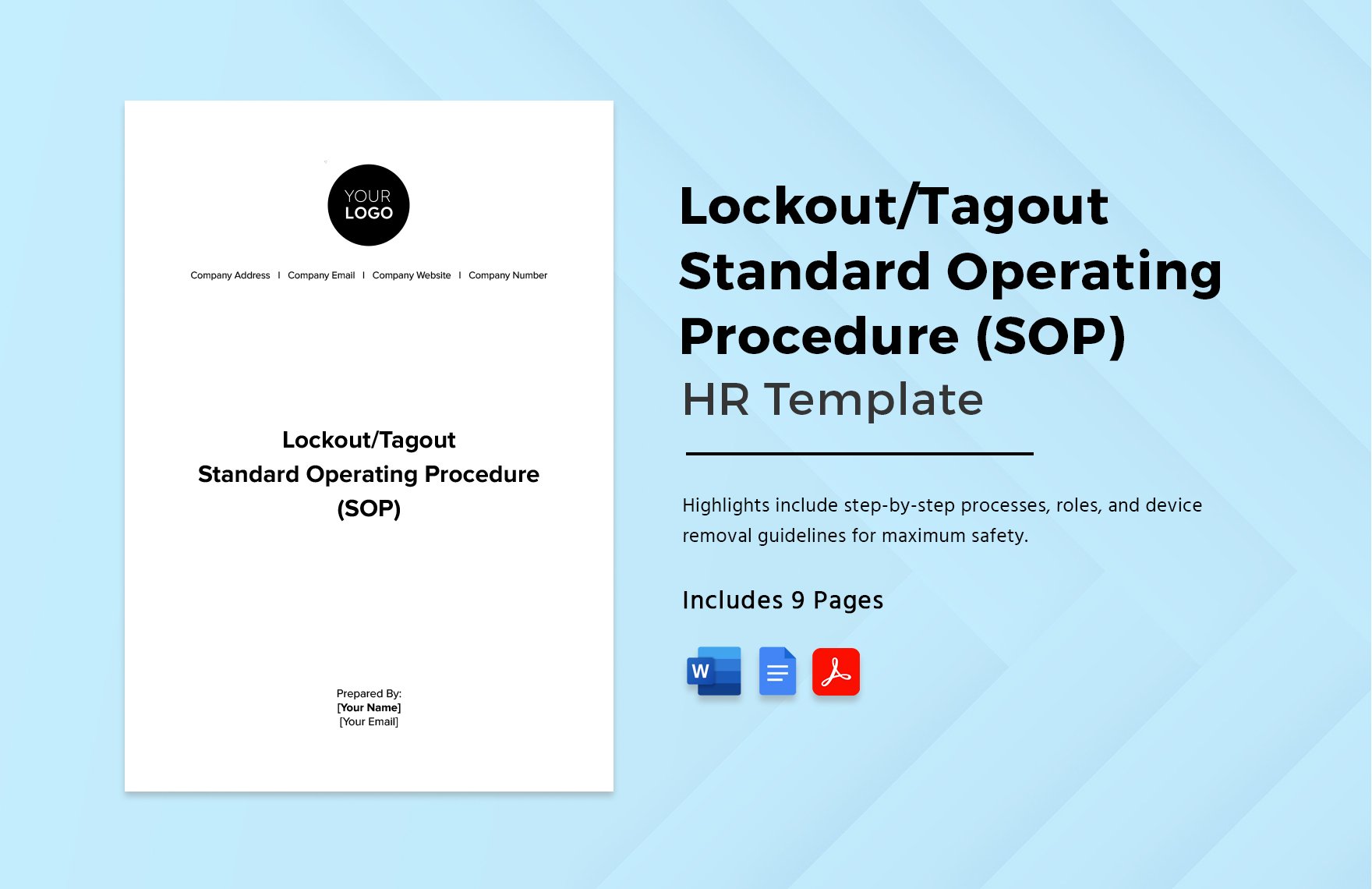
- Digital vs. Paper Options
- Paper forms work but can be lost or damaged. Consider digital LOTO apps with photo verification and audit trails—especially for large or remote teams.
Real-World Use Cases
Case 1: Food Processing Plant A processor used a generic LOTO form for multiple mixers. During servicing, a technician missed a secondary steam line, leading to scalding. Afterward, they implemented individualized forms with photos of isolation valves and mandatory verification steps. No repeat incidents in 18 months.
Case 2: Automotive Assembly Line With rotating shifts, ensuring up-to-date LOTO knowledge was tough. They embedded QR codes on equipment that linked to digital LOTO procedures, including video walkthroughs. Training time dropped, compliance rose.
Case 3: Warehouse with Forklift Chargers Workers were bypassing lockout because “it’s just unplugging.” A revised form highlighted electrical arc risks and required lockout of the circuit breaker, not just disconnection. Incident reports fell to zero.
These cases show that the sample form isn’t static—it evolves with real operational feedback.
Tools to Support LOTO Implementation
While the form is central, tools can enhance reliability. Here are five practical options:
| Tool | Key Feature | Best For |
|---|---|---|
| Brady LOTO Station Kits | Pre-labeled locks, tags, hasps | Facilities standardizing hardware |
| Seton Digital LOTO Software | Cloud-based forms with checklists | Multi-site operations |
| Grace Digital Safety App | Mobile LOTO with photo verification | Field or mobile teams |
| Master Lock eLink | Wireless lock monitoring | Remote or high-security areas |
| Camcode LOTO Tags | Durable, customizable tags with barcodes | High-wear environments |
These support the form but don’t replace proper training and discipline. Choose tools that integrate with your workflow, not complicate it.
A reliable sample lockout tagout procedure form is the backbone of energy control. It turns safety policy into action, protects workers, and simplifies compliance. But it only works if it’s specific, accessible, and followed without exception.
Start with the sample provided. Adapt it to your machines. Train your team. Audit regularly. Make the form a living document—review it annually or after any incident.
Safety isn’t about having a template. It’s about using it correctly, every time.
FAQs
What should a lockout tagout procedure form include? It must list equipment details, energy sources, shutdown steps, isolation points, verification methods, authorized personnel, and restoration procedures.
Can I use a generic LOTO form for all machines? No. Each machine has unique energy risks. Customize the form to reflect specific isolation points and hazards.
Who should complete the LOTO form? Only authorized employees trained in energy control procedures should execute and document lockout.
How often should LOTO procedures be reviewed? At least annually, or whenever equipment changes, after an incident, or when new hazards are identified.
Is a tag enough without a lock? No. Tags are warnings; locks are physical restraints. OSHA requires lockout unless tagout can provide equivalent protection (rare).
Do I need a separate form for group lockout? Not necessarily, but your form should include a section for group lockout, typically using a lockbox system.
Can digital LOTO forms replace paper ones? Yes, if they’re accessible, secure, and include all required elements. Digital versions can improve tracking and compliance.
FAQ
What should you look for in Sample Lockout Tagout Procedure Form for Workplace Safety? Focus on relevance, practical value, and how well the solution matches real user intent.
Is Sample Lockout Tagout Procedure Form for Workplace Safety suitable for beginners? That depends on the workflow, but a clear step-by-step approach usually makes it easier to start.
How do you compare options around Sample Lockout Tagout Procedure Form for Workplace Safety? Compare features, trust signals, limitations, pricing, and ease of implementation.
What mistakes should you avoid? Avoid generic choices, weak validation, and decisions based only on marketing claims.
What is the next best step? Shortlist the most relevant options, validate them quickly, and refine from real-world results.