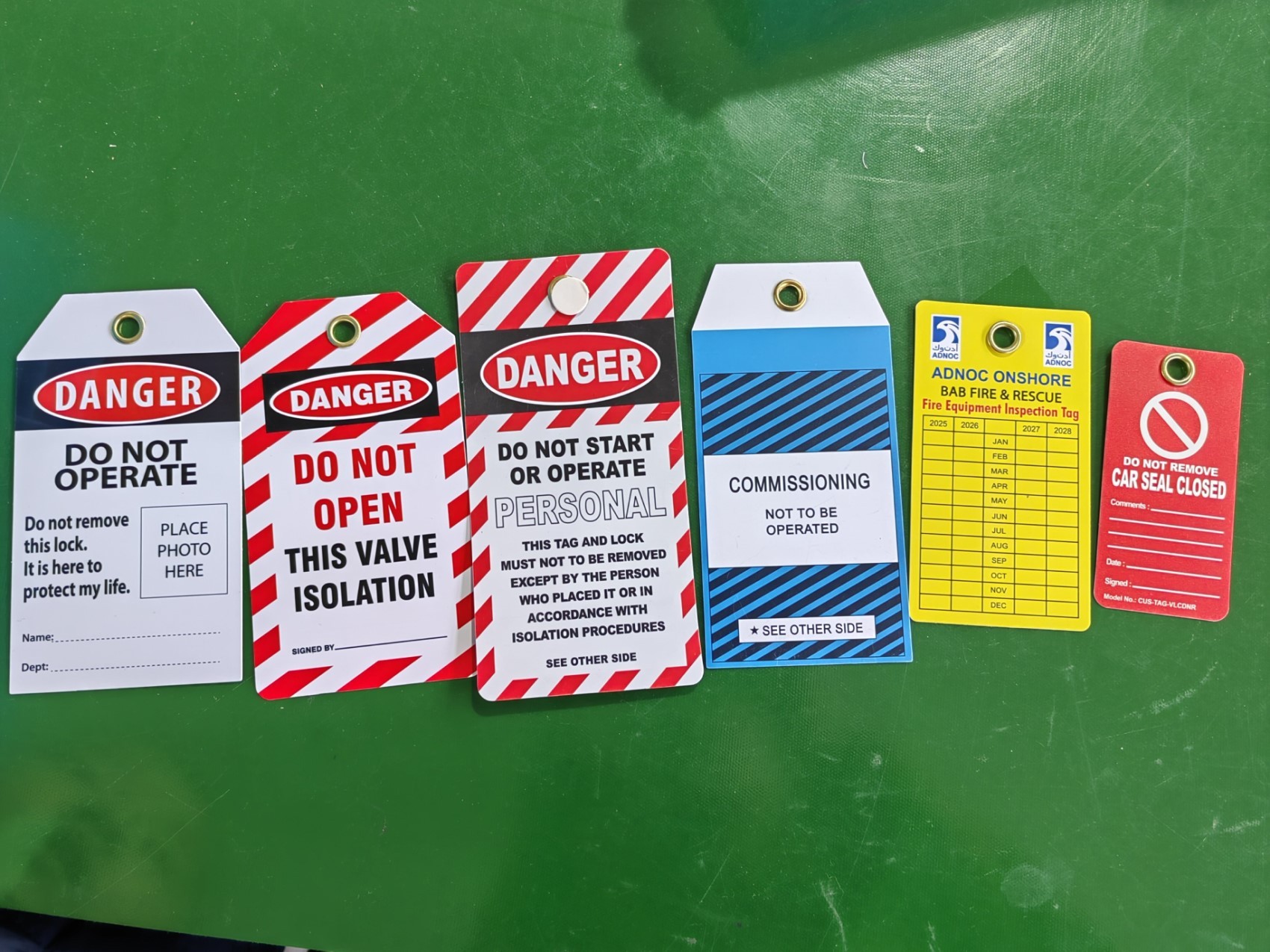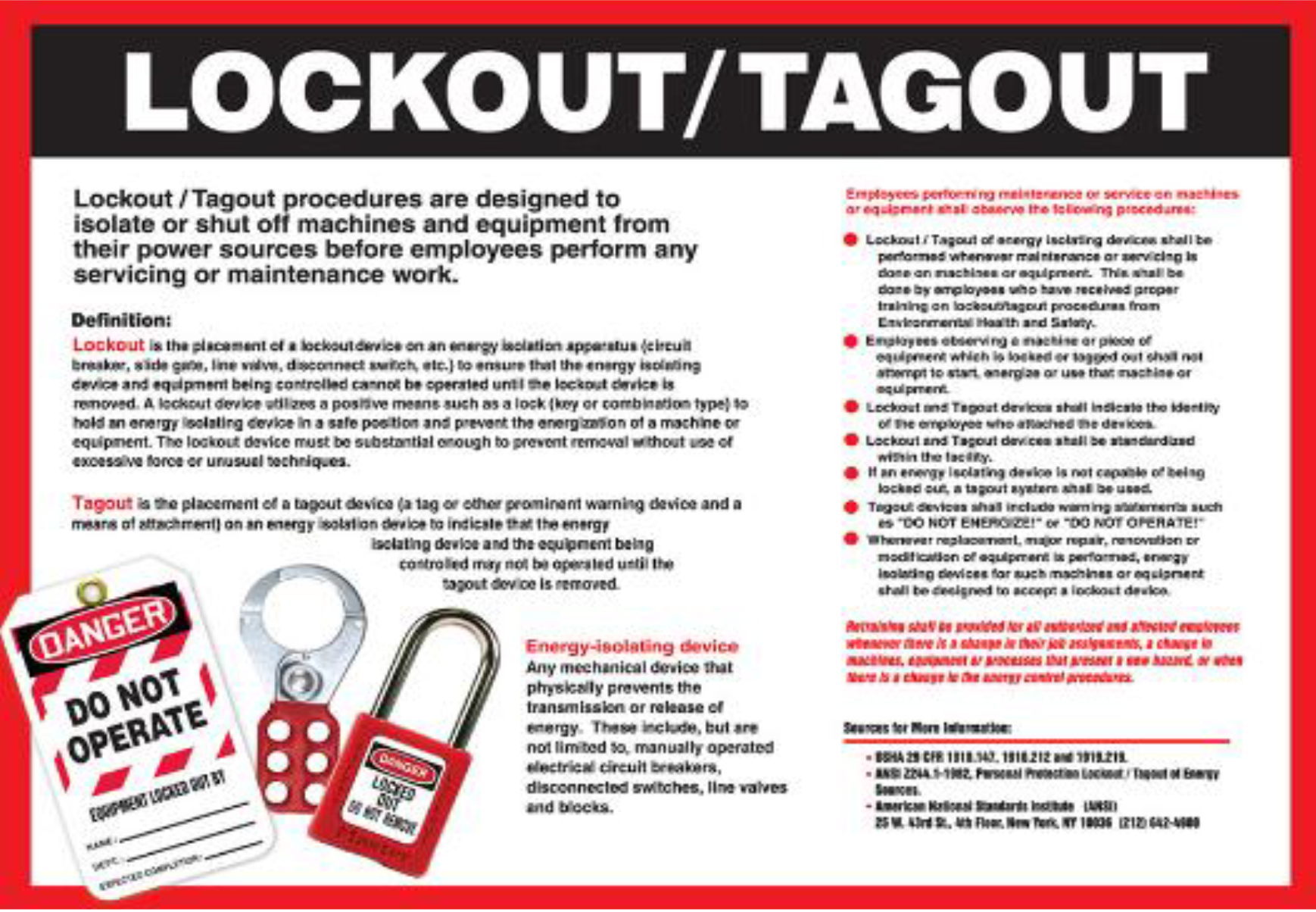
Every year, hundreds of workers suffer serious injuries or worse during equipment servicing—often because hazardous energy wasn’t properly controlled. A lockout tagout handout PDF isn’t just another piece of paper; it’s a frontline defense. It distills OSHA-mandated procedures into a clear, portable format that every technician, supervisor, and safety officer should have access to.
These handouts bridge the gap between policy and practice. Whether you're training new hires, conducting refresher sessions, or reinforcing compliance on the shop floor, a well-designed LOTO handout PDF delivers consistent messaging, visual reminders, and step-by-step guidance exactly when and where it’s needed.
But not all handouts are created equal. The best ones are concise, actionable, and tailored to real-world workflows—not just legal compliance.
Why a Lockout Tagout Handout PDF Matters
In high-risk environments—manufacturing plants, utility facilities, maintenance crews—equipment often stores energy in the form of electricity, hydraulics, pneumatics, or gravity. If that energy is released unexpectedly during maintenance, the results can be catastrophic.
A lockout tagout handout PDF standardizes the response. It ensures that:
- Workers understand the core steps of energy isolation
- Supervisors can quickly verify training retention
- Safety officers maintain audit-ready documentation
For example, a technician servicing a conveyor system might refer to the handout to confirm they’ve identified all energy sources: main power, backup capacitors, tensioned belts. Without that checklist-style reference, even experienced workers can overlook a critical step.
Handouts also serve as quick-reference tools during emergency drills or new equipment onboarding. One Midwest auto parts plant reduced LOTO-related near-misses by 63% within six months of distributing laminated handout PDFs at every workstation.
Key Elements of an Effective Lockout Tagout Handout
A useful handout doesn’t just list OSHA regulations—it translates them into practical actions. The most effective lockout tagout handout PDFs include these components:
1. Clear Definitions Define “authorized employee” vs. “affected employee.” Clarify what constitutes an energy-isolating device, lockout device, and tagout device. Ambiguity kills compliance.
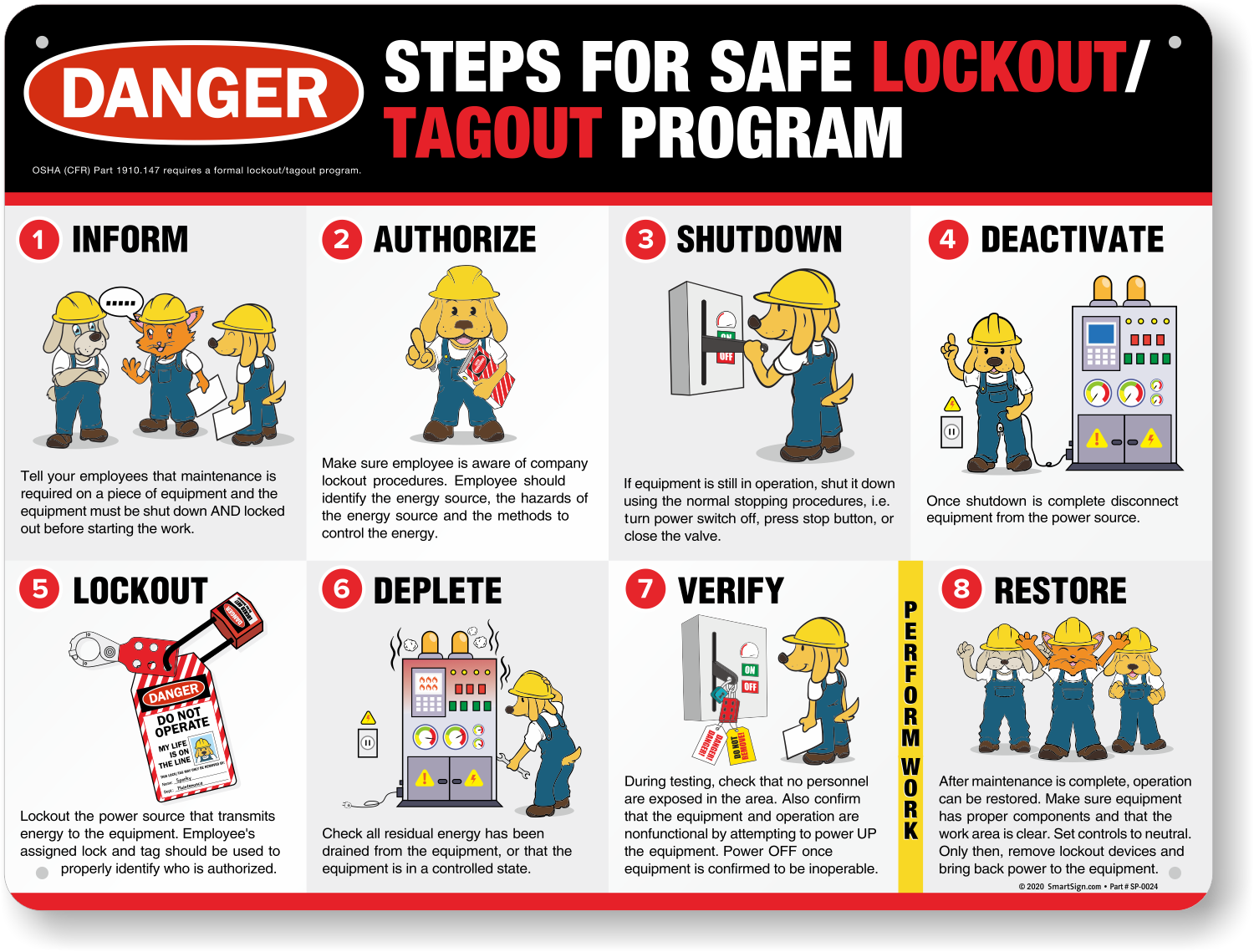
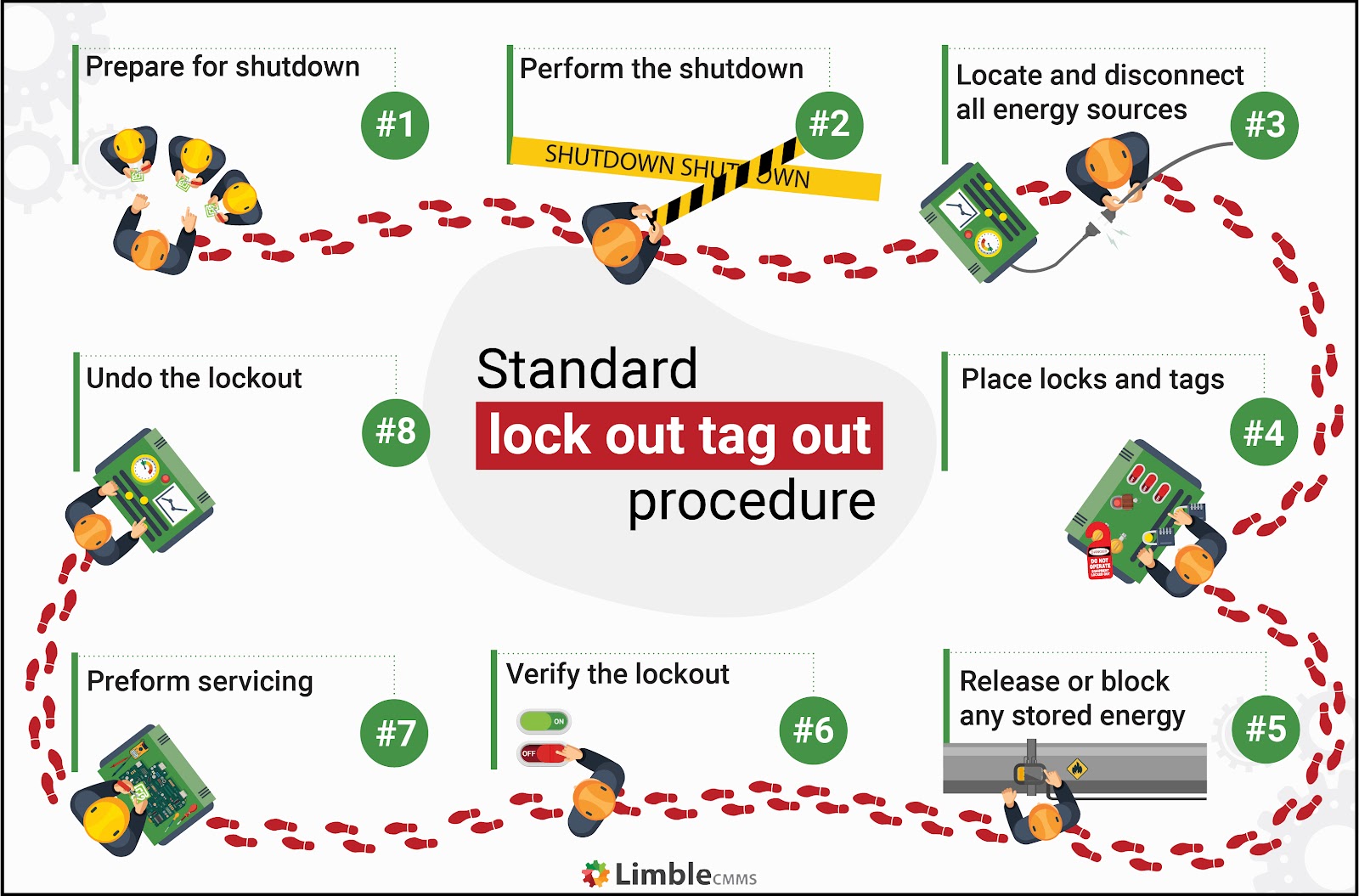
2. Step-by-Step Procedure Break down the LOTO sequence:
- Preparation
- Notification of affected personnel
- Shutdown
- Isolation of energy sources
- Application of locks and tags
- Stored energy release
- Verification of isolation
- Removal procedures
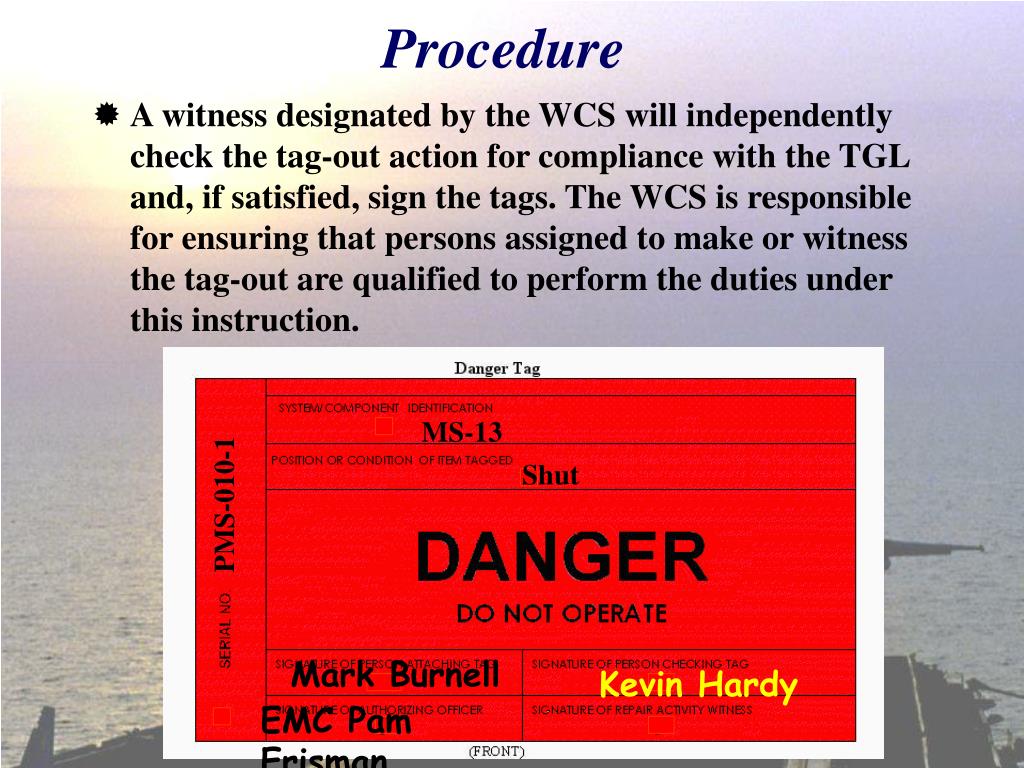
3. Visual Aids Include diagrams showing proper lock placement, tag examples, and flowcharts for complex machinery. Visuals improve retention by up to 400%, according to safety training studies.
4. Common Mistakes Section Highlight errors like:
- Using personal locks on group lockout without coordination
- Skipping verification (assumed de-energization)
- Tagging without locking when a lock is feasible
5. Emergency Exception Protocol Outline what to do if a lock must be removed without the owner present—requiring supervisor authorization, verification, and documentation.
The best handouts are typically 2–4 pages max. Any longer, and they become shelfware. Any shorter, and they lack operational depth.
How to Use a Lockout Tagout Handout in Training
A PDF handout shouldn’t replace training—but it should reinforce it.
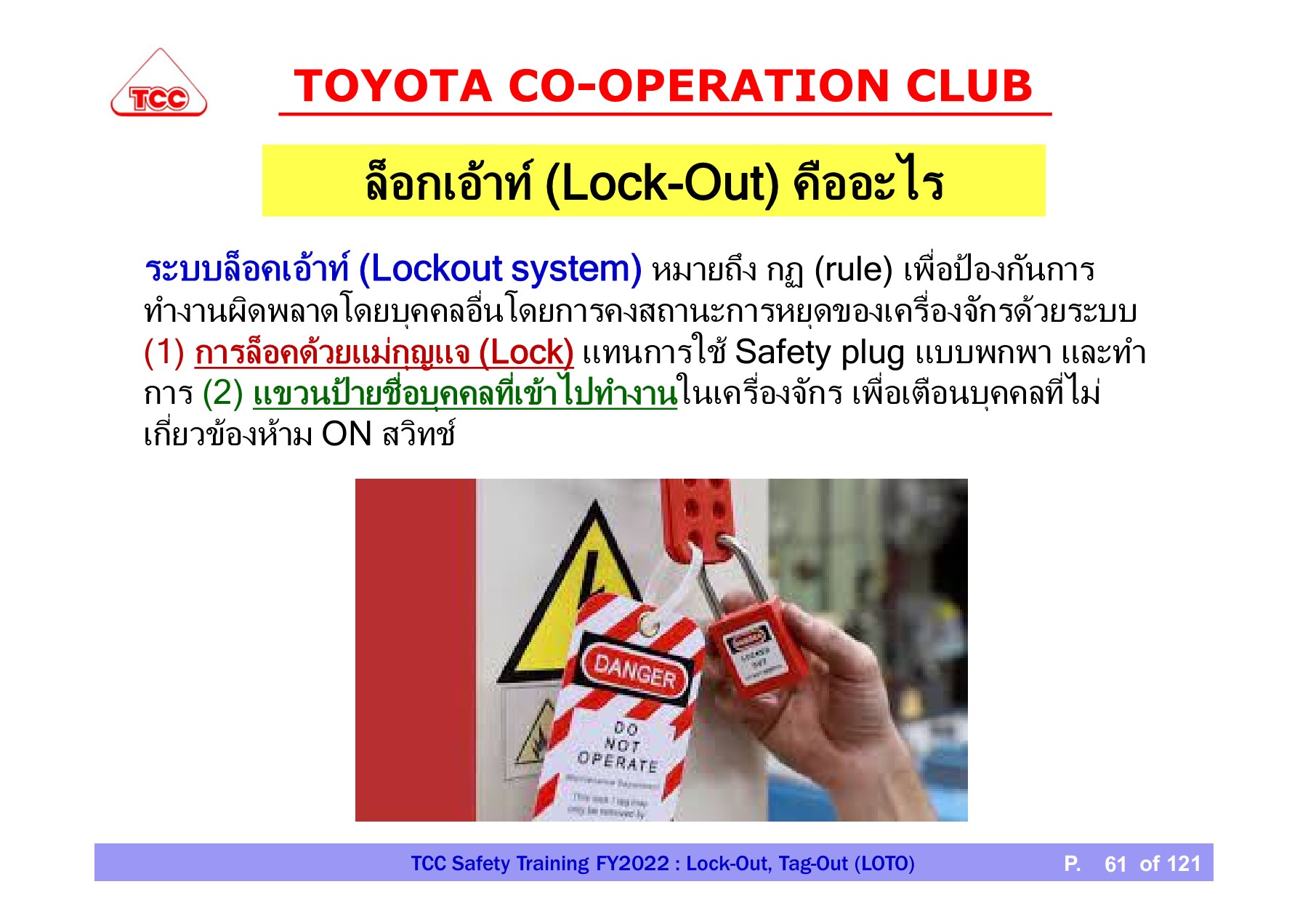
During onboarding, combine the handout with a live demonstration. Walk a new employee through locking out a hydraulic press. Then, hand them the PDF and ask them to identify the energy sources listed. This active recall strengthens learning.
For annual refreshers, use the handout as a quiz foundation. Present a scenario: “You’re servicing a large industrial oven. What steps do you take before applying your lock?” Have teams reference the handout to build their response.
One utility company prints QR codes linking to their LOTO handout PDF and places them near high-voltage panels. Technicians scan before starting work—ensuring they review protocol even under time pressure.
Pro tip: Convert your handout into a pocket-sized version. Workers are more likely to carry it if it fits in a shirt pocket or badge holder.
Top 5 Sources for Lockout Tagout Handout PDFs
Not all templates are equally effective. Below are reliable sources offering customizable, OSHA-aligned LOTO handout PDFs:
| Source | Features | Best For |
|---|---|---|
| OSHA.gov | Free, official templates, plain language | Compliance-first organizations |
| National Safety Council (NSC) | Industry-specific versions, visual-heavy | Manufacturing, utilities |
| Creative Safety Supply | Editable formats (PDF, Word), multilingual | Multisite or diverse teams |
| EHS Daily Advisor | Scenario-based handouts, quizzes included | Training reinforcement |
| SafetyStore.com | Branded templates, customizable fields | Companies wanting internal branding |
Each offers downloadable PDFs, but only some allow edits. If you need to add company-specific procedures, opt for editable versions. For example, a food processing plant might need to include lockout steps for sanitation mode resets—something generic templates miss.
Always verify that any downloaded handout aligns with your equipment and OSHA 29 CFR 1910.147.
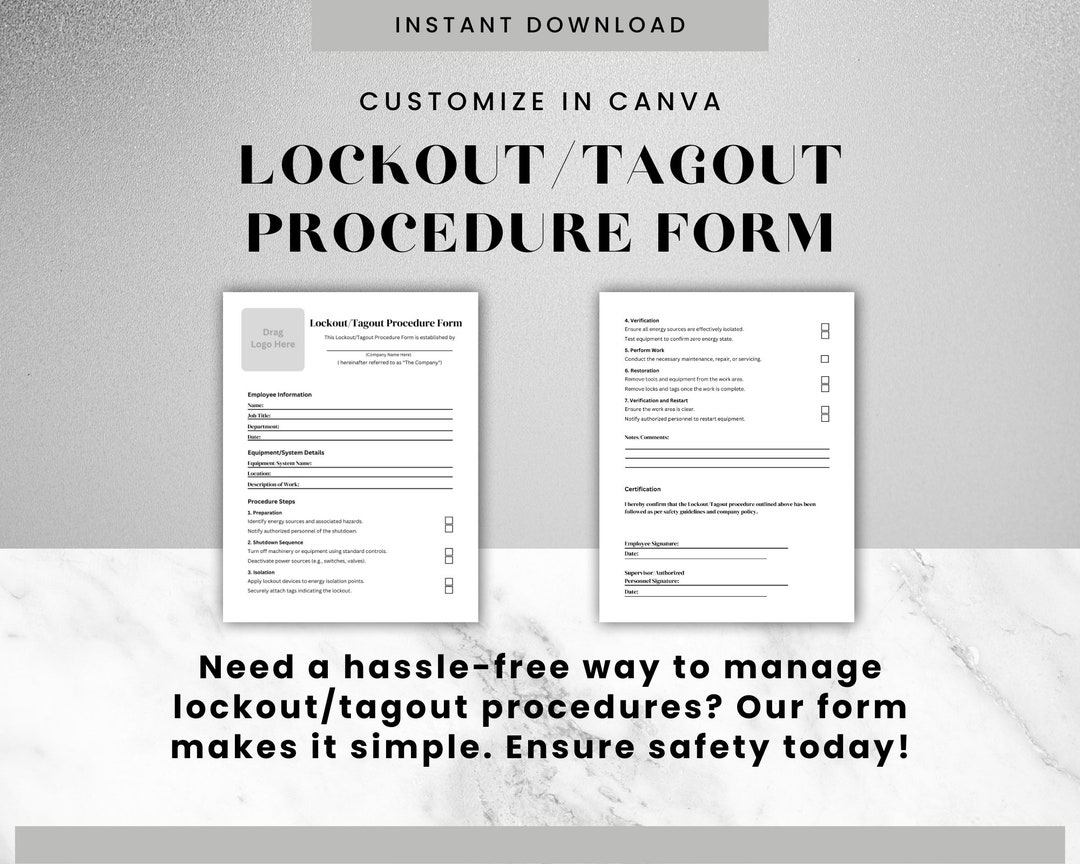
Customizing Your Own Lockout Tagout Handout PDF Using a template is a start. Customizing it makes it stick.
Start with a standard template, then:
- Add photos of your actual machinery
- Insert site-specific lockout points (e.g., “Main disconnect: Panel B3”)
- Include internal contacts (safety manager, shift supervisor)
- List PPE required for each major equipment type
A paper mill in Oregon reduced lockout errors by 78% after adding annotated photos of lock placement on their pulper machine. Workers no longer guessed— they followed the image.
Also, include a version control note: “Revision: 03 / Effective: April 2025.” This ensures everyone uses the latest version during audits.
Use tools like Adobe Acrobat, Canva, or Microsoft Word to design professional layouts. Keep fonts large (11pt minimum), use bold headers, and leave white space. Clarity trumps design flair.
Common Gaps in Lockout Tagout Handouts
Many handouts fail because they’re too generic. Watch for these red flags:
- No equipment-specific examples – A handout that only speaks in generalities won’t guide real work.
- Missing verification step – OSHA requires proving zero energy. If the handout skips testing, it’s deficient.
- No group lockout instructions – In team maintenance, protocol changes. Your handout must reflect that.
- Assumption of single energy source – Complex machines often have multiple, including capacitors or spring tension.
- No Spanish or multilingual version – If your workforce isn’t fully English-proficient, compliance drops.
One refinery reported near-miss incidents dropped 50% after revising their handout to include a dual-language (English/Spanish) checklist on the back page.
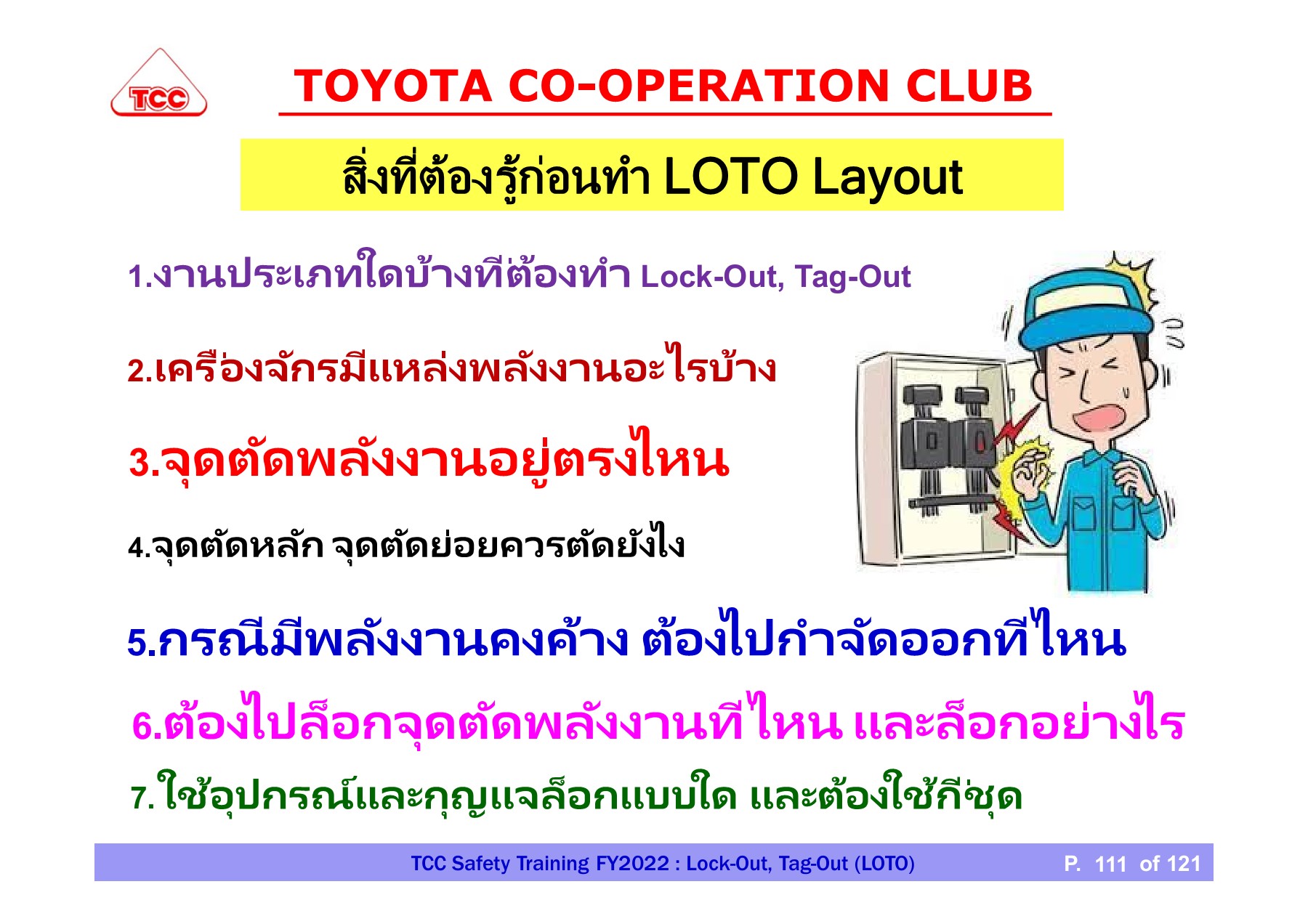
Also, avoid outdated terminology. “Tagout-only” is only acceptable when a lock can’t be applied—make that distinction clear.
Integrating the Handout into Your Safety System
A PDF buried in a shared drive is useless. To drive real adoption:
- Print and post near high-risk equipment
- Attach to digital work orders in CMMS systems
- Include in new hire safety packets
- Reference during safety meetings
Automotive suppliers like Bosch embed QR codes linking to their LOTO handout in maintenance SOPs. Technicians scan, review, and confirm understanding before starting work.
For remote teams, email monthly reminders with the handout attached. Add a short quiz (“What’s the first step before applying a lock?”) to track engagement.
Audit readiness improves dramatically when handouts are part of your documented process. During an OSHA inspection, being able to show that every employee received, reviewed, and understood the handout strengthens your compliance posture.
Real-World Impact: A Case Study
A pharmaceutical facility in New Jersey faced recurring LOTO violations during audits. After reviewing incident reports, they found workers were skipping stored energy checks—especially on centrifuge units with residual motion.
They redesigned their lockout tagout handout PDF to include: - A flowchart: “Is it still moving? → Wait → Test again” - A photo of the emergency brake release point - A highlighted warning: “Centrifuges can coast for 12+ minutes”
Within one quarter, stored energy incidents dropped to zero. The safety manager credited the visual, equipment-specific updates in the handout as the turning point.
This shows the power of context. A generic handout prevents some errors. A tailored one prevents the right errors.
Final Thoughts: Make Your Handout Work for You
A lockout tagout handout PDF should be more than a compliance artifact. It should be a working tool—dog-eared, highlighted, referenced daily. The best ones are precise, visual, and tied directly to your equipment and team.
Don’t settle for a downloaded template. Customize it. Print it. Audit against it. Update it when machines change.
Your handout isn’t just about preventing fines. It’s about ensuring every worker goes home safely. That kind of value can’t be overstated.
FAQ
Where can I get a free lockout tagout handout PDF? OSHA’s official website offers free, downloadable LOTO handouts and templates compliant with federal standards.
Can a tagout-only procedure replace lockout? Only if a lock cannot be applied. Tagout alone provides less protection and requires additional safety measures.
Who should receive a lockout tagout handout? All authorized employees (performing servicing) and affected employees (operating equipment) must be trained and given access.
How often should the handout be updated? Review annually or whenever equipment, processes, or regulations change. Include revision dates on the document.
Should the handout be in multiple languages? Yes, if workers aren’t proficient in English. Compliance and safety depend on clear understanding.
Can I customize a downloaded LOTO handout PDF? Many templates from NSC, Creative Safety Supply, and EHS Daily Advisor are editable for company-specific use.
Is a digital handout as effective as a printed one? Digital versions are useful, but printed copies at point-of-use increase adherence during actual lockout procedures.
FAQ
What should you look for in Lockout Tagout Handout PDF Guide for Workplace Safety? Focus on relevance, practical value, and how well the solution matches real user intent.
Is Lockout Tagout Handout PDF Guide for Workplace Safety suitable for beginners? That depends on the workflow, but a clear step-by-step approach usually makes it easier to start.
How do you compare options around Lockout Tagout Handout PDF Guide for Workplace Safety? Compare features, trust signals, limitations, pricing, and ease of implementation.
What mistakes should you avoid? Avoid generic choices, weak validation, and decisions based only on marketing claims.
What is the next best step? Shortlist the most relevant options, validate them quickly, and refine from real-world results.