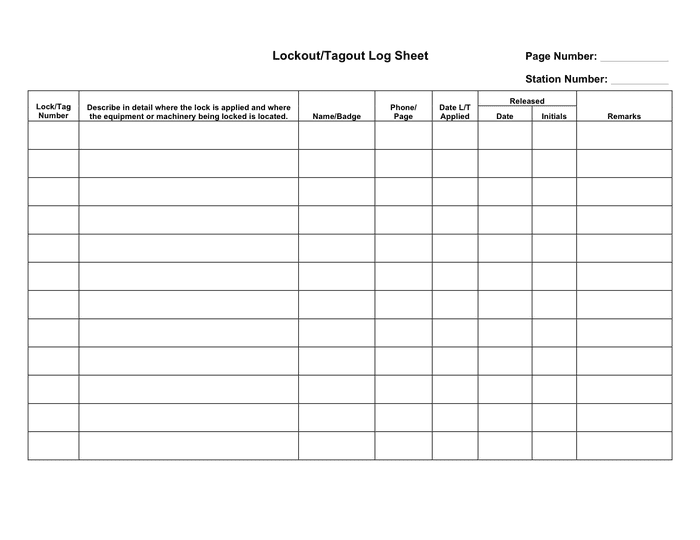
Workers are injured every year during equipment maintenance—not because of equipment failure, but because of skipped safety steps. At the heart of preventing these incidents is a clear, accessible tag out users manual PDF. This document isn’t just another piece of paperwork; it’s a vital safety blueprint. Whether you’re training new technicians, auditing your procedures, or responding to an OSHA inspection, the tag out users manual PDF is your go-to resource for compliance and clarity.
What Is a Tag Out Users Manual PDF?
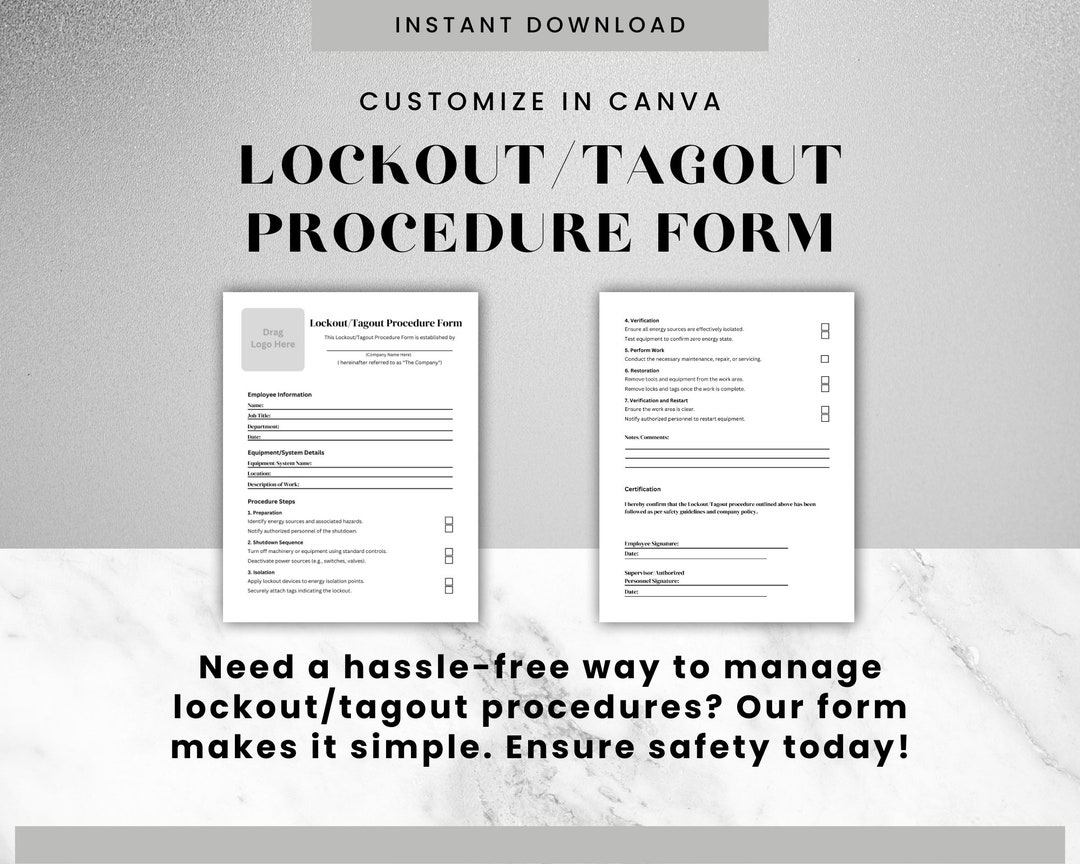
A tag out users manual PDF is a standardized digital document that outlines procedures, roles, and responsibilities for implementing tagout (often paired with lockout) during equipment servicing or maintenance. Unlike physical binders that gather dust on shelves, a PDF version is shareable, searchable, and easily updated—making it ideal for modern safety programs.
This manual typically includes: - Step-by-step isolation procedures - Definitions of authorized vs. affected employees - Required tools and hardware (locks, tags, hasps) - Energy source identification checklists - Emergency response protocols
It aligns with OSHA 1910.147 (The Control of Hazardous Energy) and often integrates with internal safety management systems.
Why a Tag Out Manual Matters
Imagine a technician opening a conveyor motor panel for repairs. The machine appears off—but a control signal from a remote station could still energize it. Without proper tagout procedures, the risk of electrocution or crushing injuries skyrockets.
A tag out users manual PDF mitigates this by: - Standardizing safety behavior across shifts and teams - Reducing procedural ambiguity with clear visuals and checklists - Supporting training with consistent language and scenarios - Serving as legal documentation during audits or incident investigations
Companies that rely on verbal instructions or outdated paper manuals often see higher error rates. A well-structured tag out users manual PDF closes that gap.
Key Sections in a Tag Out Users Manual PDF
Every effective manual follows a logical flow. Below are the essential components you should expect—or include—if creating your own.
1. Purpose and Scope
Clearly defines when and where tagout procedures apply. For example: "This manual applies to all maintenance, cleaning, and repair operations involving machines with stored or unexpected energy sources."
2. Roles and Responsibilities
Distinguishes between: - Authorized employees (those who apply locks/tags) - Affected employees (those who operate or use equipment) - Supervisors (who verify compliance)
Each role must be trained and documented.
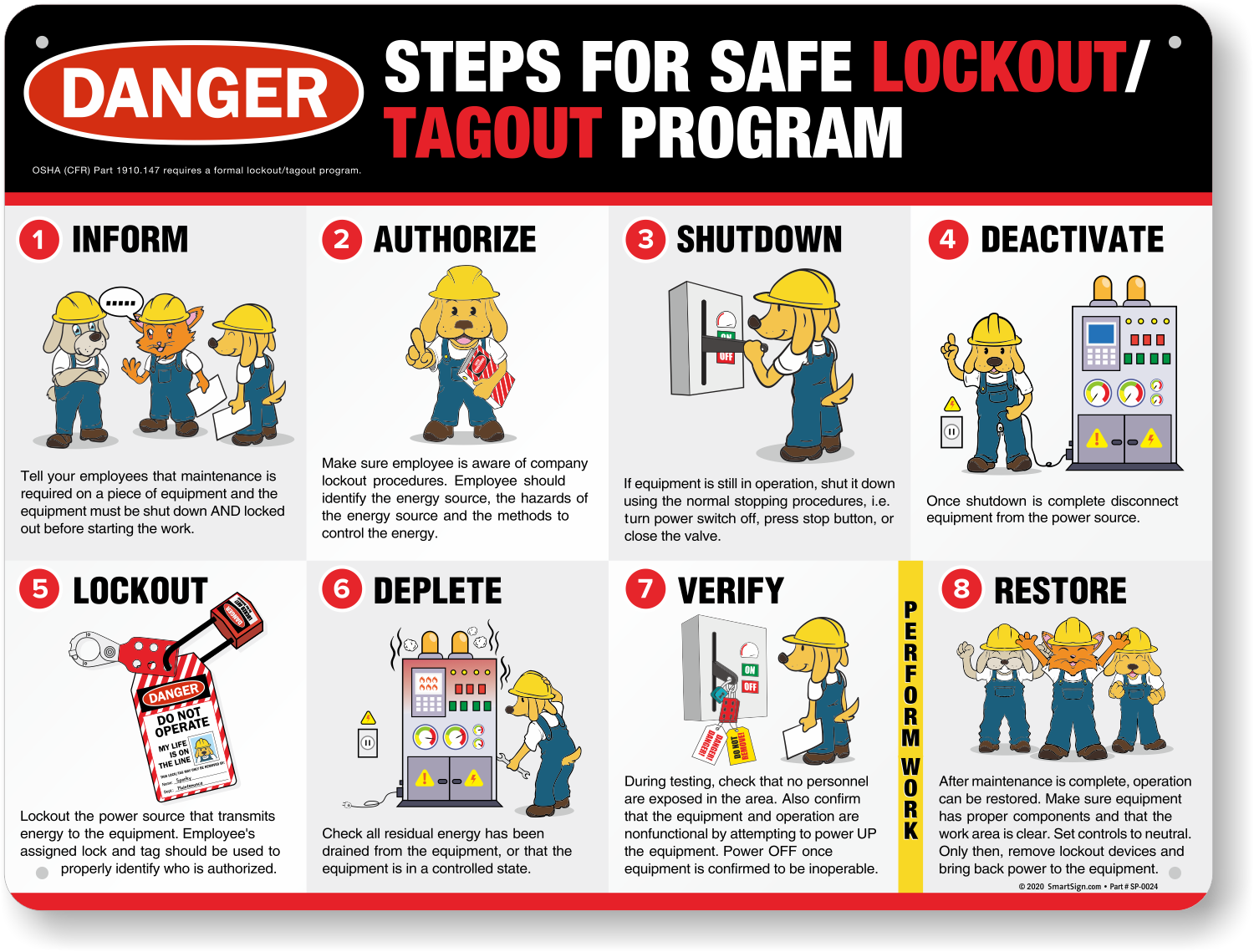
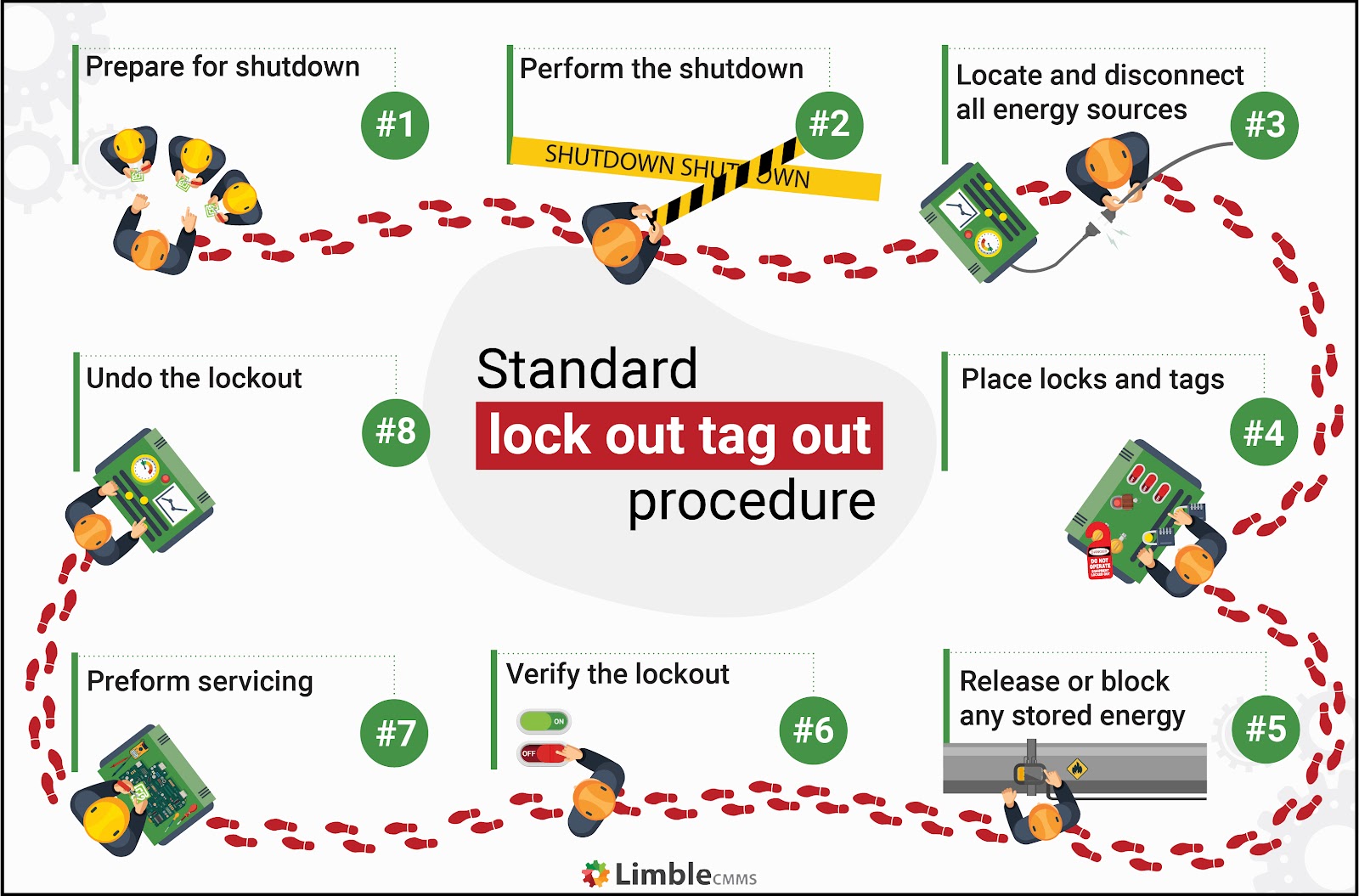
3. Step-by-Step Shutdown Procedure
- A numbered list like:
- Notify all affected personnel.
- Shut down equipment using normal controls.
- Isolate all energy sources (electrical, hydraulic, pneumatic, etc.).
- Apply lockout devices and tagout tags.
- Verify zero energy state (test startup).
Visual flowcharts enhance comprehension, especially in multilingual environments.
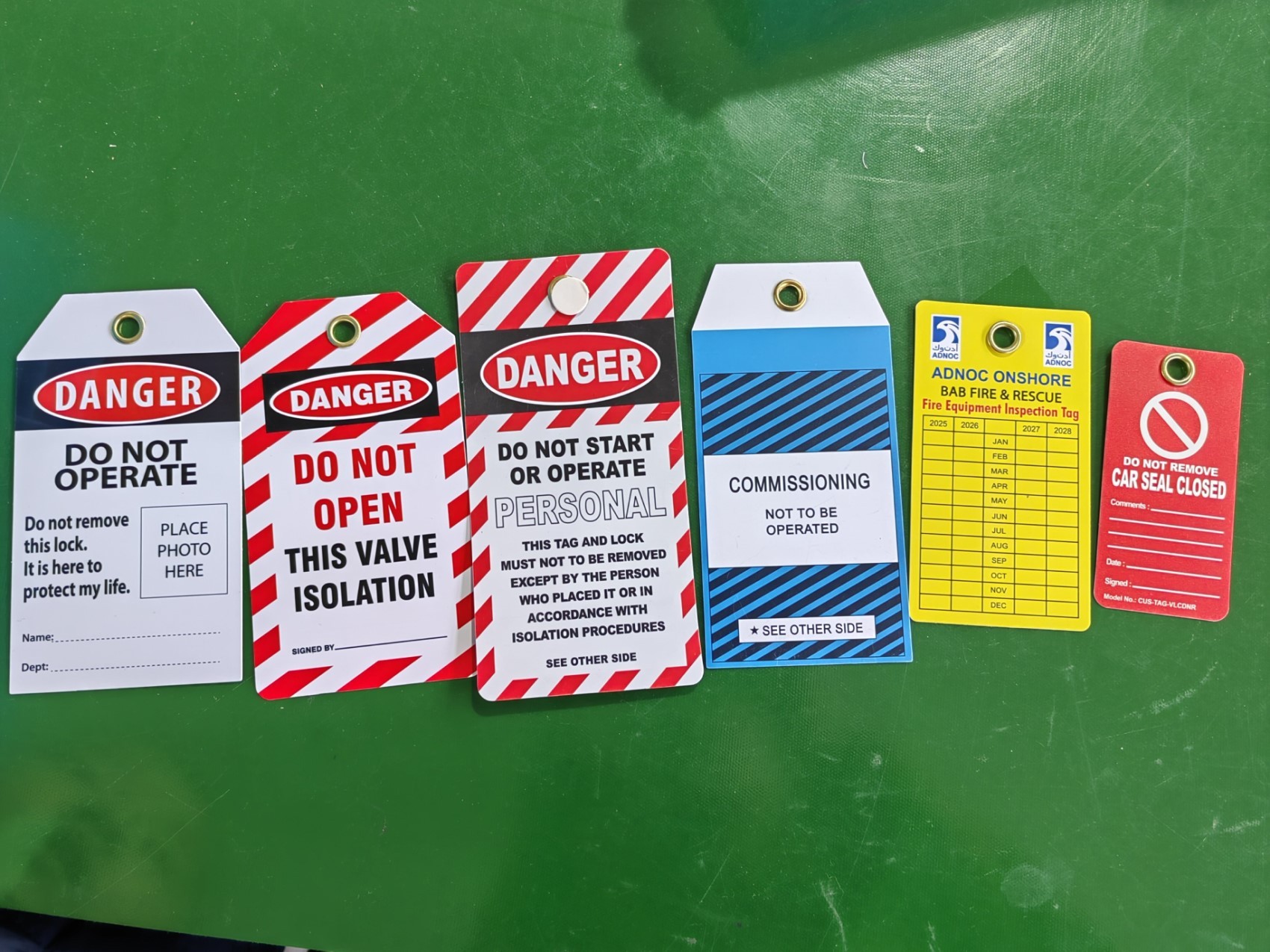
4. Tagout Device Specifications
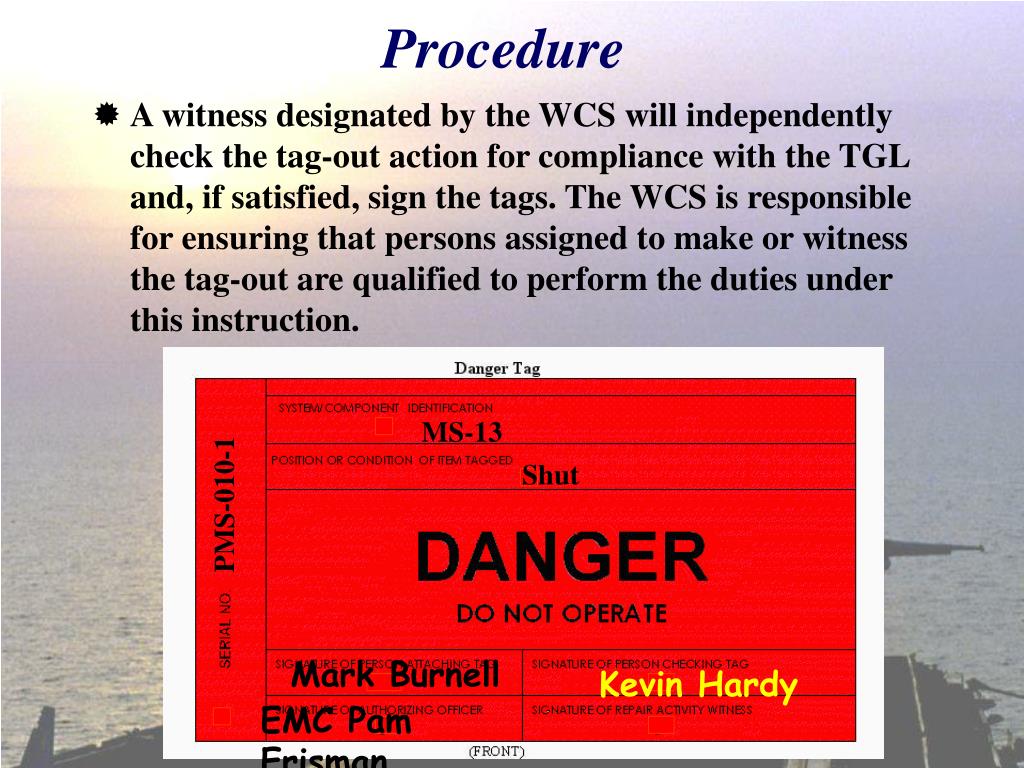
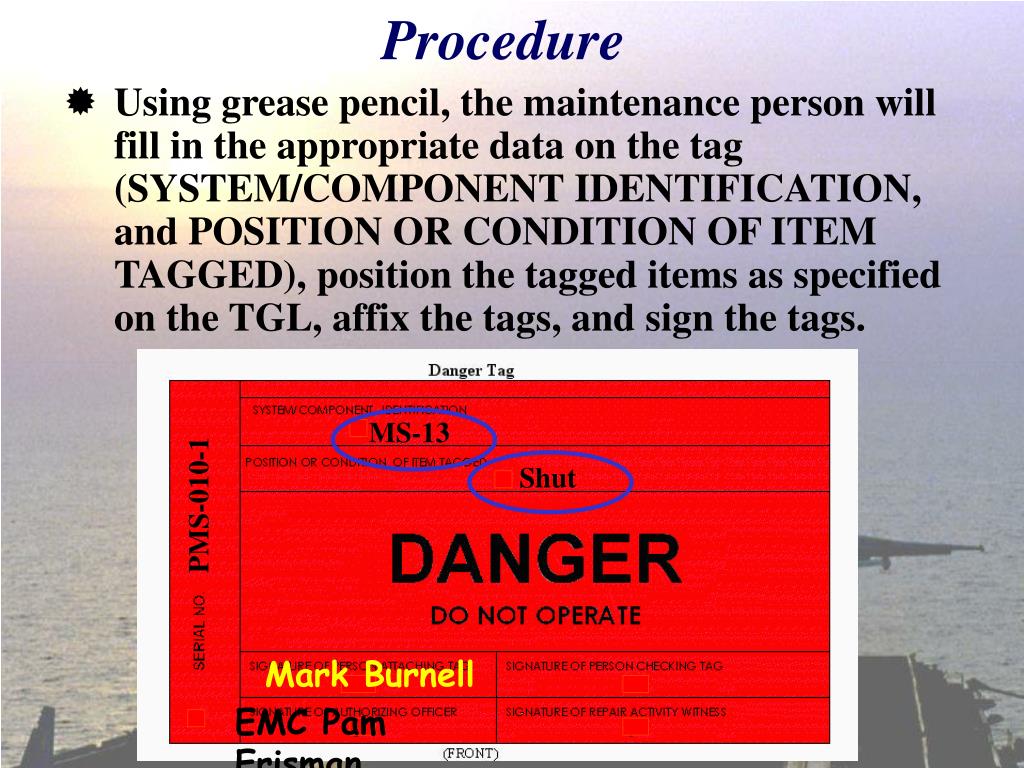
Details acceptable tags, including: - Durable, non-reusable materials - Bold warning text (“Do Not Operate”) - Space for user name, date, and reason - High-visibility colors (typically red or orange)
Using substandard tags—like sticky notes or handwritten paper—invalidates compliance.
5. Group Lockout/Tagout Procedures
Outlines multi-person work protocols: - Use a group lockout box - Each authorized worker applies their personal lock - The primary authorized employee coordinates clearance
This prevents premature re-energization when multiple teams are involved.
6. Training and Retraining
Specifies: - Initial training requirements (classroom + hands-on) - Annual retraining cycles - Documentation of completion (with sign-offs)
Records must be retained and accessible.
7. Inspection and Audit Process
Describes how supervisors: - Perform periodic inspections (at least annually) - Review procedure accuracy - Correct deviations immediately
Findings are logged and used to improve the manual.
How to Download a Tag Out Users Manual PDF
Many organizations search for a ready-to-use tag out users manual PDF to save time. While templates exist, blindly downloading and deploying them risks non-compliance.
Here’s how to find and adapt one safely:
- Start with OSHA or NIOSH resources – Government sites offer compliant templates.
- Choose industry-specific examples – A manual for a printing press differs from one for a chemical reactor.
- Verify completeness – Ensure it includes all required sections (see above).
- Customize for your equipment – Generic steps won’t reflect your actual machines.
- Have it reviewed by safety officers – Legal and operational alignment is critical.
Never use a PDF from an unverified source. Misleading or outdated templates can increase liability.
Top 5 Tag Out Users Manual PDF Sources
While you should always customize, these sources provide reliable starting points:
| Source | Features | Best For |
|---|---|---|
| OSHA.gov | Official compliance standards, checklists | Government-aligned programs |
| NIOSH Publications | Research-backed guidance, case studies | High-risk industries |
| Grainger Safety Resources | Downloadable templates, visual aids | Facilities using Grainger supplies |
| DuPont Safety Website | Enterprise-grade manuals, multilingual support | Large manufacturing sites |
| SafetySkills (Training Platform) | Interactive PDFs with quizzes | Training integration |
Always verify the publication date and ensure alignment with current regulations.
Common Mistakes When
Using a Tag Out Users Manual PDF
Even with a solid manual, teams make errors that compromise safety.
Mistake 1: Skipping Energy Verification
Technicians assume isolation is complete after tagging. But verification—attempting to start the machine after isolation—is mandatory. Skipping this step is a top OSHA citation.
Mistake 2: Using Tags Without Locks
Tagout alone is less protective than lockout. Tags can be ignored or removed; locks physically prevent operation. Use tags only when locks aren’t feasible—and document why.
Mistake 3: Incomplete Training Records
Managers often train staff but fail to document it. During an audit, no record = no training. Always maintain signed logs tied to the manual version in use.
Mistake 4: Failing to Update the Manual
Equipment changes, but manuals don’t. A PDF created five years ago may not reflect new robotic arms or automated conveyors. Review and revise annually.
Mistake 5: Poor Accessibility
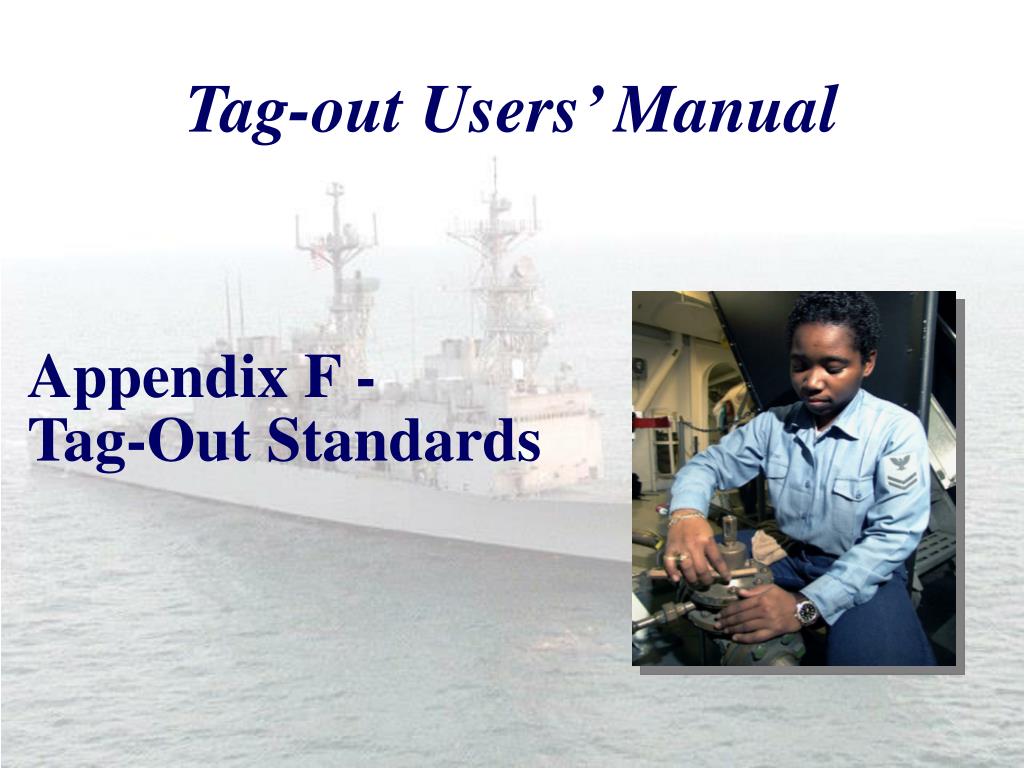
Storing the tag out users manual PDF in a password-locked folder or on a single desktop defeats its purpose. It should be: - Available on mobile devices - Posted near critical machinery - Included in onboarding packets
Integrating the Manual Into Daily Operations
A manual only works if it’s used. Here’s how to embed it into your workflow:
- Pre-Job Briefings: Start maintenance meetings by reviewing the relevant section of the manual.
- QR Codes on Equipment: Link physical machines to the correct PDF section via scannable codes.
- LMS Integration: Upload the PDF to your Learning Management System with milestone checks.
- Wall-mounted Summaries: Create one-page job aids based on the manual for quick reference.
- Audit Drills: Randomly test teams on procedure recall using the manual as the standard.
One plant reduced LOTO violations by 70% simply by adding printed manual excerpts to maintenance kits.
Limitations of a Tag Out Users Manual PDF
Despite its value, the PDF has limits:
- Static Format: It can’t adapt in real time (e.g., during a power outage with cascading effects).
- Language Barriers: Non-native speakers may struggle with technical terms. Use visuals and translations.
- Overreliance on Digital Access: If systems go down, offline access must be available (e.g., printed backups).
- Procedural Drift: Workers may develop shortcuts. Regular audits keep adherence tight.
Supplement the PDF with hands-on drills and real-time coaching.
How to Create Your Own Tag Out Users Manual PDF
If you can’t find a suitable template, build your own:
- Inventory all equipment with hazardous energy.
- Map energy control points (disconnects, bleed valves, etc.).
- Draft procedures using simple, active language.
- Add photos or diagrams of tag locations and lock points.
- Review with maintenance and safety teams.
- Publish as a searchable PDF with bookmarks for navigation.
- Distribute and train—then schedule annual reviews.
Avoid jargon. A good manual can be understood by a new hire on their second day.
Final Thoughts: Make Safety Actionable
A tag out users manual PDF isn’t just a compliance requirement—it’s a lifeline. The best ones are clear, accessible, and actively used. Don’t treat it as a file to check off during an audit. Integrate it into daily routines, update it regularly, and ensure every team member knows where to find it and how to use it.
Download a template if you must, but customize it. Standardization saves lives, but only when it reflects real work.
Equip your team, enforce the process, and make safety visible—not just documented.
FAQ
Where can I find a free tag out users manual PDF? OSHA and NIOSH offer free, compliant templates. Always customize them for your equipment and workforce.
Can a tag out users manual PDF replace lockout training? No. The manual supports training but cannot substitute hands-on instruction and verification.
Do I need both lockout and tagout procedures? Yes. Lockout physically prevents startup; tagout provides warning. Tags alone are only acceptable when locks aren’t feasible.
How often should the manual be updated? Review annually or whenever equipment, processes, or regulations change.
Should the PDF include photos of our machines? Yes. Visual references increase accuracy and reduce errors during isolation.
Can the manual be stored on mobile devices? Yes—and it should be. Ensure offline access in case of network issues.
Who approves the final version of the tag out users manual PDF? Typically, the safety manager or EHS officer, with input from maintenance leads and operations.
FAQ
What should you look for in How to Use and Download a Tag Out Users Manual PDF? Focus on relevance, practical value, and how well the solution matches real user intent.
Is How to Use and Download a Tag Out Users Manual PDF suitable for beginners? That depends on the workflow, but a clear step-by-step approach usually makes it easier to start.
How do you compare options around How to Use and Download a Tag Out Users Manual PDF? Compare features, trust signals, limitations, pricing, and ease of implementation.
What mistakes should you avoid? Avoid generic choices, weak validation, and decisions based only on marketing claims.
What is the next best step? Shortlist the most relevant options, validate them quickly, and refine from real-world results.