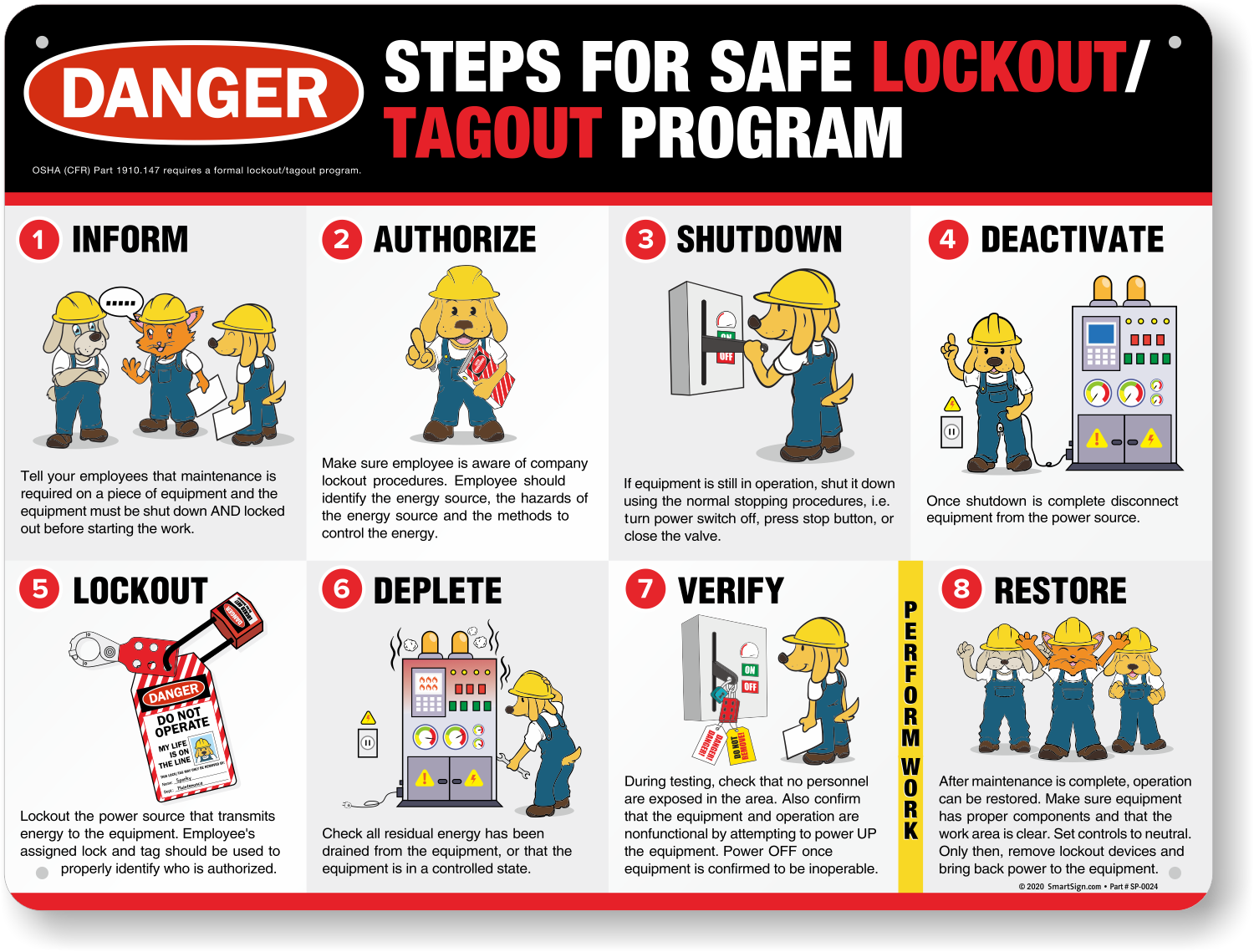
Every year, hundreds of workers suffer serious injuries—or worse—because machinery was accidentally re-energized during maintenance. The solution? Lock out tag out (LOTO) instructions. These aren’t just bureaucratic formalities; they’re life-saving procedures that isolate hazardous energy sources and keep workers safe.
Despite widespread awareness, improper LOTO execution remains a leading cause of preventable industrial incidents. Why? Because too many teams treat lockout tagout as a box-ticking exercise rather than a critical safety workflow. This guide breaks down real, usable lock out tag out instructions—what they should include, how to implement them correctly, and where most organizations fail.
Understanding the Core Purpose of Lock Out Tag Out
At its heart, LOTO exists to eliminate unexpected energization, startup, or release of stored energy during servicing or maintenance. The procedure applies across industries: manufacturing, utilities, construction, and even healthcare facilities with heavy equipment.
The key distinction lies in control. LOTO gives a single qualified worker physical control over energy isolation points using locks and tags. It transforms abstract safety rules into tangible actions—one lock per person, one tag per hazard.
Without standardized lock out tag out instructions, workers rely on memory, verbal assurances, or flawed assumptions. That’s how accidents happen.
When LOTO Applies
Common scenarios requiring lock out tag out instructions include: - Replacing conveyor belts on production lines - Clearing jams in industrial cutters - Servicing electrical panels - Performing blade changes on press machines - Conducting HVAC system maintenance
If energy isolation is needed—even briefly—LOTO must be used. Temporary bypasses or “just a quick fix” mindsets are red flags.
Key Components of Effective Lock Out Tag Out Instructions
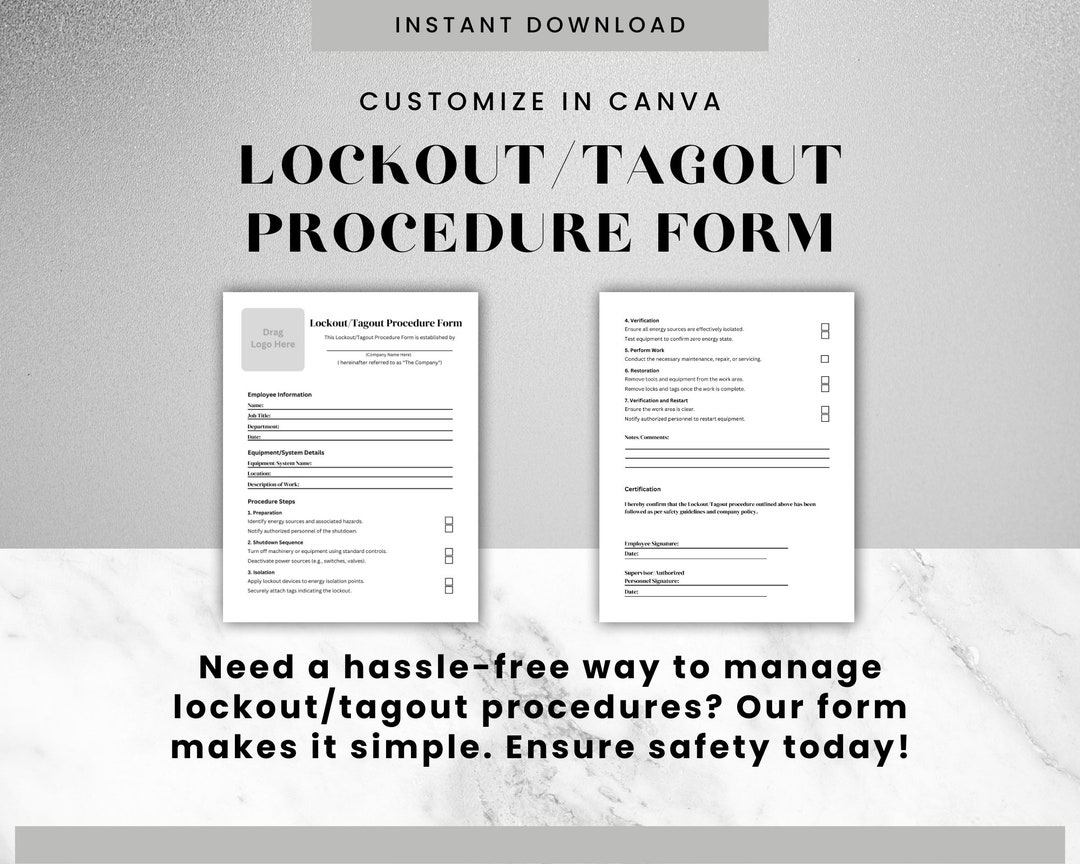
Generic posters won’t cut it. Effective LOTO instructions must be specific, actionable, and machine-tied. Here’s what every set should include:
1. Equipment Identification
Each procedure starts with clear identification: machine name, location, and unique ID number. Never assume everyone knows “the big press” or “that boiler.” Use labels, diagrams, and panel markings.
Example: “Lockout Procedure for Hydraulic Press Model HP-2400, Line B, Floor 2.”
2. Energy Source Inventory
List every energy type involved: - Electrical (main disconnects, capacitors) - Pneumatic (air lines, pressure reservoirs) - Hydraulic (fluid lines, accumulators) - Thermal (steam, hot surfaces) - Mechanical (springs, gravity-fed parts) - Chemical (pressurized tanks)
For each, identify the isolation point—exact valves, breakers, or bleed-off locations.
3. Step-by-Step Shutdown Sequence
- This isn’t “turn it off.” It’s a documented process:
- Notify affected personnel
- Shut down equipment using normal controls
- Isolate all energy sources (e.g., flip breaker, close valve)
- Release or block stored energy (vent air, drain fluid, block moving parts)
- Apply personal lock and tag
- Verify zero energy state (test startup attempt)
Each step must be sequential and unambiguous.
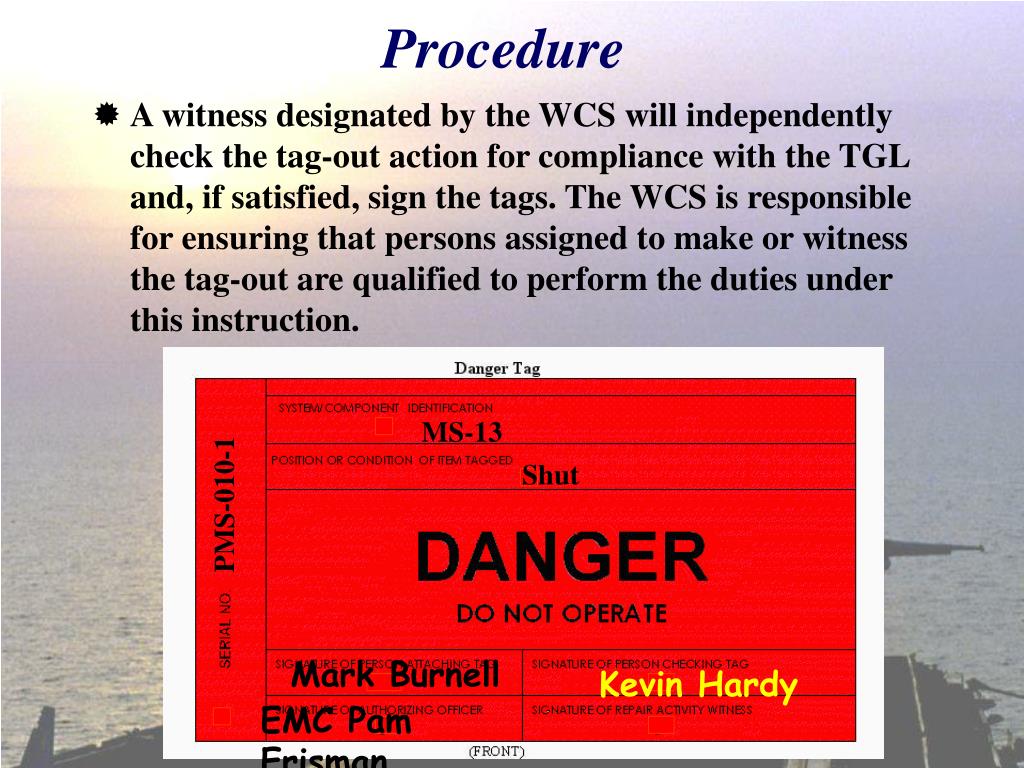
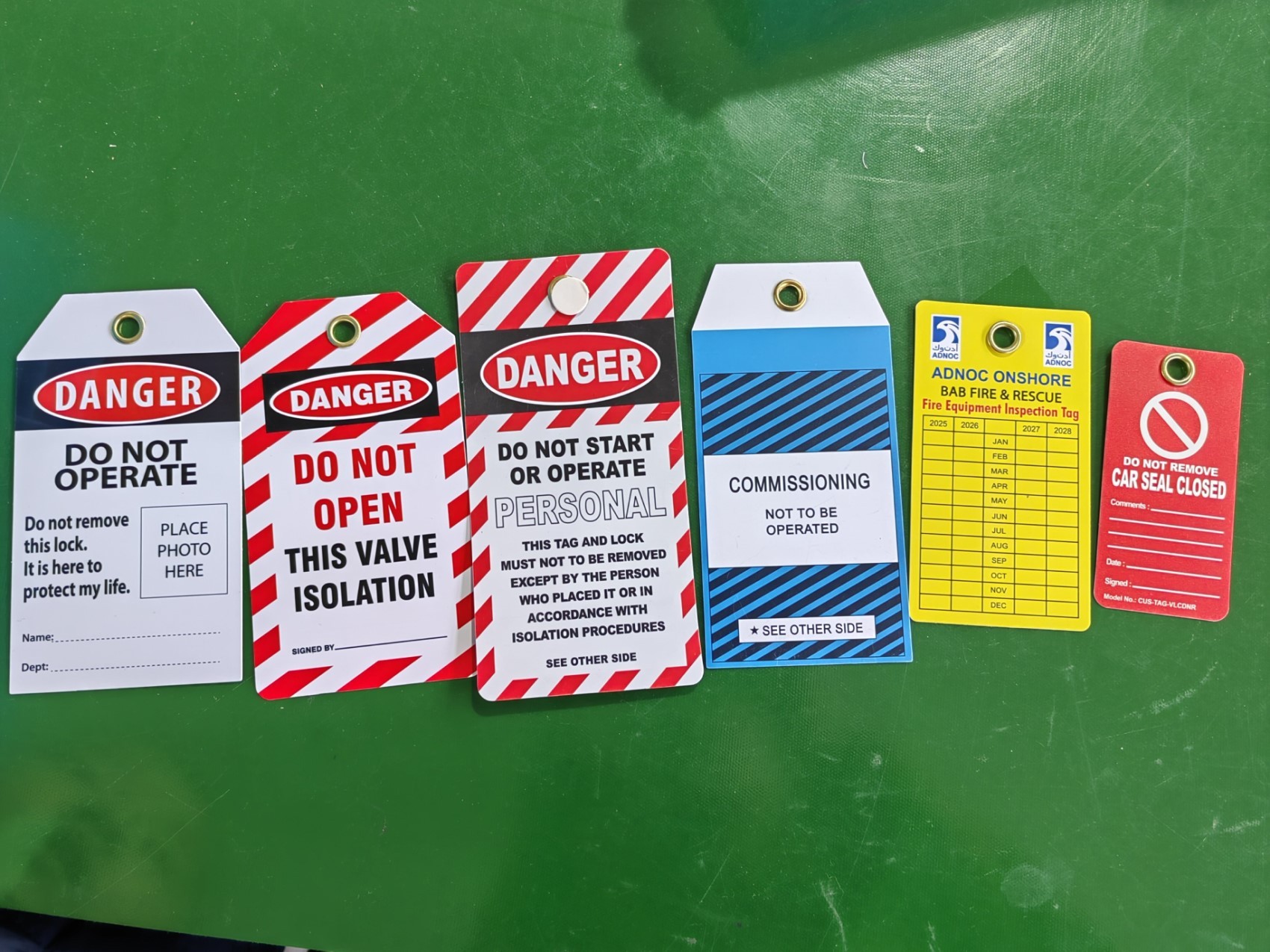
4. Lock and Tag Application
Every worker applies their own lock and tag. Tags must include: - Employee name - Date and time - Reason for lockout - Contact info if needed
Tags are warnings; locks are enforcement. Never rely on tags alone.
5. Verification of Isolation
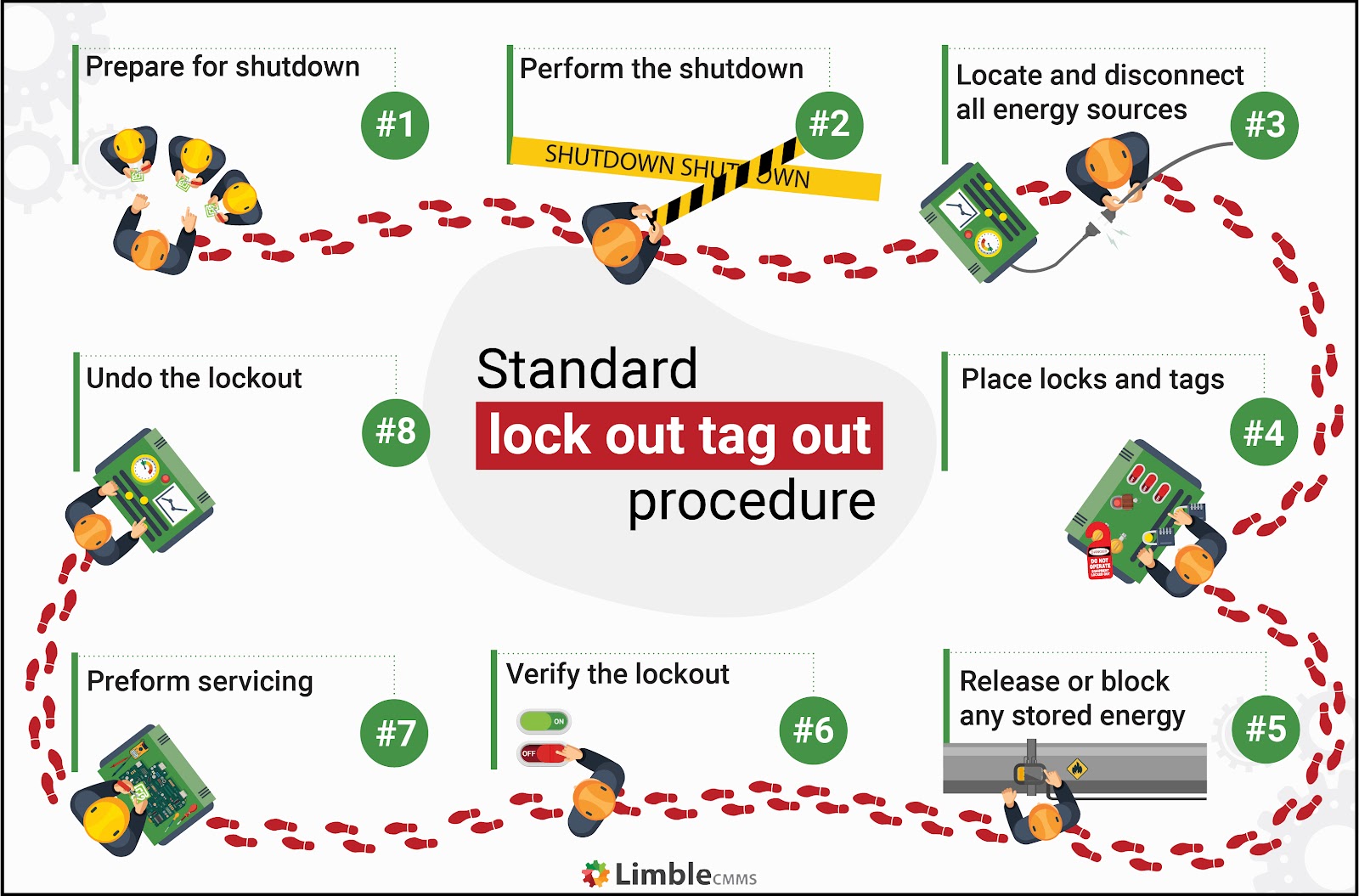
Before work begins, attempt to start the machine using normal controls. Nothing should happen. This step is non-negotiable.
If the machine operates or moves, the isolation failed. Reassess.
6. Restoration Steps
Equally important: how to safely return equipment to service. - Ensure tools are removed - Confirm all personnel are clear - Remove locks only by the person who applied them - Re-energize in reverse shutdown order - Notify team that equipment is live
No one else should remove your lock, ever.
Common Mistakes in Lock Out Tag Out Procedures
Even experienced teams make errors. Here are the most dangerous ones:
Skipping Stored Energy Release
One plant worker assumed a disconnected hydraulic line was safe—until a press dropped from residual pressure. Stored energy kills.
Always bleed, block, or dissipate energy after isolation.
Using Group Lockout Incorrectly
Group LOTO doesn’t mean one person locks everything. Instead, each technician places their lock on a group hasp. The primary authorized employee coordinates, but individual accountability remains.
Misusing group lockout removes personal responsibility—a critical failure.
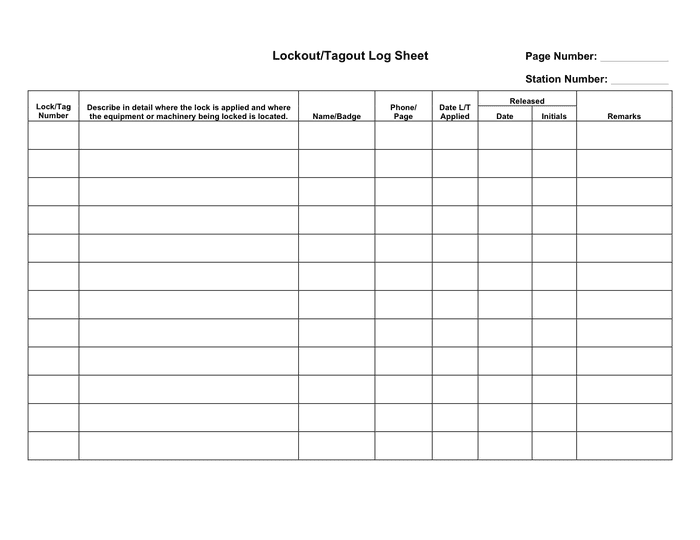
Incomplete or Missing Documentation
Handwritten, faded, or missing procedures force workers to guess. OSHA requires written, site-specific instructions.
If your LOTO document looks like a 2003 photocopied list taped to a wall, it’s a hazard.
Relying on Memory Instead of Procedures
“Been doing this for 15 years” is not a safety strategy. Fatigue, distractions, and process drift erode memory-based execution.
Use the written procedure every time.
Real-World LOTO Use Case: Conveyor Maintenance
A food processing plant had recurring jams on a packaging conveyor. Maintenance crews would stop it, reach in, and clear debris—sometimes without lockout.
After a near-miss incident, they implemented a formal LOTO instruction:
Equipment: Main Packaging Conveyor (CP-7) Energy Sources: - 480V electrical (disconnect at Panel 3B) - Pneumatic actuator (isolate via valve V-12)
- Steps:
- Notify line supervisor
- Press emergency stop
- Open disconnect at Panel 3B, verify off with voltage tester
- Close and bleed valve V-12
- Apply lock and tag
- Attempt reset—no movement or power
- Clear jam, inspect belt tracking
- Remove tools, confirm clearance
- Remove lock, re-energize, notify supervisor
Result: Zero incidents over the next 18 months—and faster, more consistent maintenance.
OSHA Requirements and Compliance Risks
OSHA 29 CFR 1910.147 sets the standard for control of hazardous energy. Non-compliance isn’t just unsafe—it’s expensive.
Key mandates: - Written energy control procedures - Authorized and affected employee training - Annual audits of LOTO procedures - Use of approved locks and tags
Penalties for violations exceed $15,000 per instance. But worse, failure can lead to citations after incidents—even if no injury occurred.
Audits often reveal gaps: missing procedures, untrained personnel, or expired training records. Fix these proactively.
Audit Checklist:
- Are all machines covered by written instructions?
- Are locks uniquely assigned and durable?
- Are tags standardized and legible?
- Is retraining done annually?
- Are contractors included in LOTO protocols?
Review at least once per year—or after any process change.
Tools and Equipment for Effective LOTO Execution

You can’t enforce safety with flimsy tools. Invest in reliable hardware and systems.
| Product Type | Purpose | Example Use Case |
|---|---|---|
| Safety Locks | Personal isolation | Padlock-style hasp on electrical panel |
| Hasp Brackets | Group lock applications | Multiple workers on one machine |
| Tags | Communication of hazard | “Do Not Operate – Maintenance in Progress” |
| Lockout Stations | Centralized access | Wall-mounted kits near high-risk zones |
| Valve Lockouts | Block fluid/gas lines | Pipe valve with sliding sleeve lock |
Choose durable, standardized equipment. Color-coding locks by department or energy type improves clarity.
Avoid universal keys. Personal locks should only be opened by the individual who applied them.
Building Custom LOTO Instructions: A Step-by-Step Workflow
Creating effective instructions isn’t hard—but it takes discipline.
Step 1: Inventory High-Risk Equipment List every machine requiring maintenance under energy isolation.
Step 2: Map Energy Sources Walk through each unit. Identify every input: power cords, air lines, hydraulic feeds, etc.
Step 3: Draft Shutdown Sequence Write clear, imperative steps: “Turn off main disconnect at Junction Box 4,” not “The power should be off.”
Step 4: Include Visual Aids Add diagrams showing lock points, valve locations, and energy paths.
Step 5: Train and Test Train authorized employees. Have them perform the procedure while you observe.
Step 6: Audit and Revise
After six months, review. Did someone improvise? Was a step unclear? Update accordingly.
Closing: Make LOTO a Habit, Not a Hurdle
Lock out tag out instructions aren’t paperwork. They’re protocols that protect lives. The best procedures are specific, visible, and used without exception.
Start today: pick one machine, write its LOTO steps, and drill the process with your team. Then move to the next. Over time, you build a culture where safety isn’t debated—it’s automatic.
No shortcuts. No exceptions. Every lock, every tag, every time.
FAQ
What is the difference between lockout and tagout? Lockout uses a physical lock to prevent energy re-activation. Tagout uses a warning tag. Lockout is preferred; tagout alone is only acceptable when locks can’t be used.
Who can remove a lockout device? Only the authorized employee who applied the lock may remove it. In absences, a formal removal procedure with management and safety oversight is required.
Do LOTO procedures apply to corded equipment? Yes. Unplugging a machine requires LOTO if a worker places any part of their body into a point of operation or danger zone during servicing.
How often should LOTO procedures be reviewed? At least annually, and whenever equipment or processes change.
Can multiple people work on the same machine under LOTO? Yes, using a group lockout hasp. Each worker applies their own lock. No one removes another’s lock.
Is training required for LOTO compliance? Yes. Authorized employees (who perform LOTO) and affected employees (who operate equipment) must receive initial and annual retraining.
What happens if a lock is left on after shift change? The lock remains until the person who applied it returns. Supervisors must follow an OSHA-compliant procedure to remove it if necessary, including verification that the worker is clear and the machine is safe.
FAQ
What should you look for in Lock Out Tag Out Instructions: A Practical Guide to Safety? Focus on relevance, practical value, and how well the solution matches real user intent.
Is Lock Out Tag Out Instructions: A Practical Guide to Safety suitable for beginners? That depends on the workflow, but a clear step-by-step approach usually makes it easier to start.
How do you compare options around Lock Out Tag Out Instructions: A Practical Guide to Safety? Compare features, trust signals, limitations, pricing, and ease of implementation.
What mistakes should you avoid? Avoid generic choices, weak validation, and decisions based only on marketing claims.
What is the next best step? Shortlist the most relevant options, validate them quickly, and refine from real-world results.