Imagine a technician reaching into a conveyor system for routine maintenance, only for a coworker to unknowingly restart the machine from a control panel. The result? Catastrophic injury—or worse. This isn’t a hypothetical. It’s a real danger that lock out tag out (LOTO) procedures are designed to prevent.
Lock out tag out is a safety protocol used across industries to isolate energy sources from machinery and equipment during servicing. It ensures that machines remain de-energized and inoperable until maintenance or repair work is complete. When correctly implemented, LOTO drastically reduces the risk of unexpected energization, startup, or release of stored energy.
Despite its critical role, LOTO is often misunderstood or inconsistently applied. Mislabeling, improper lock placement, or bypassing steps during shift changes continue to create vulnerabilities. This article breaks down the core components of LOTO, explains how to implement it effectively, and highlights common pitfalls that compromise safety.
The Core Principles of Lock Out Tag Out
LOTO isn’t just about slapping a lock and tag on a power switch. It’s a structured process built on a few fundamental principles:
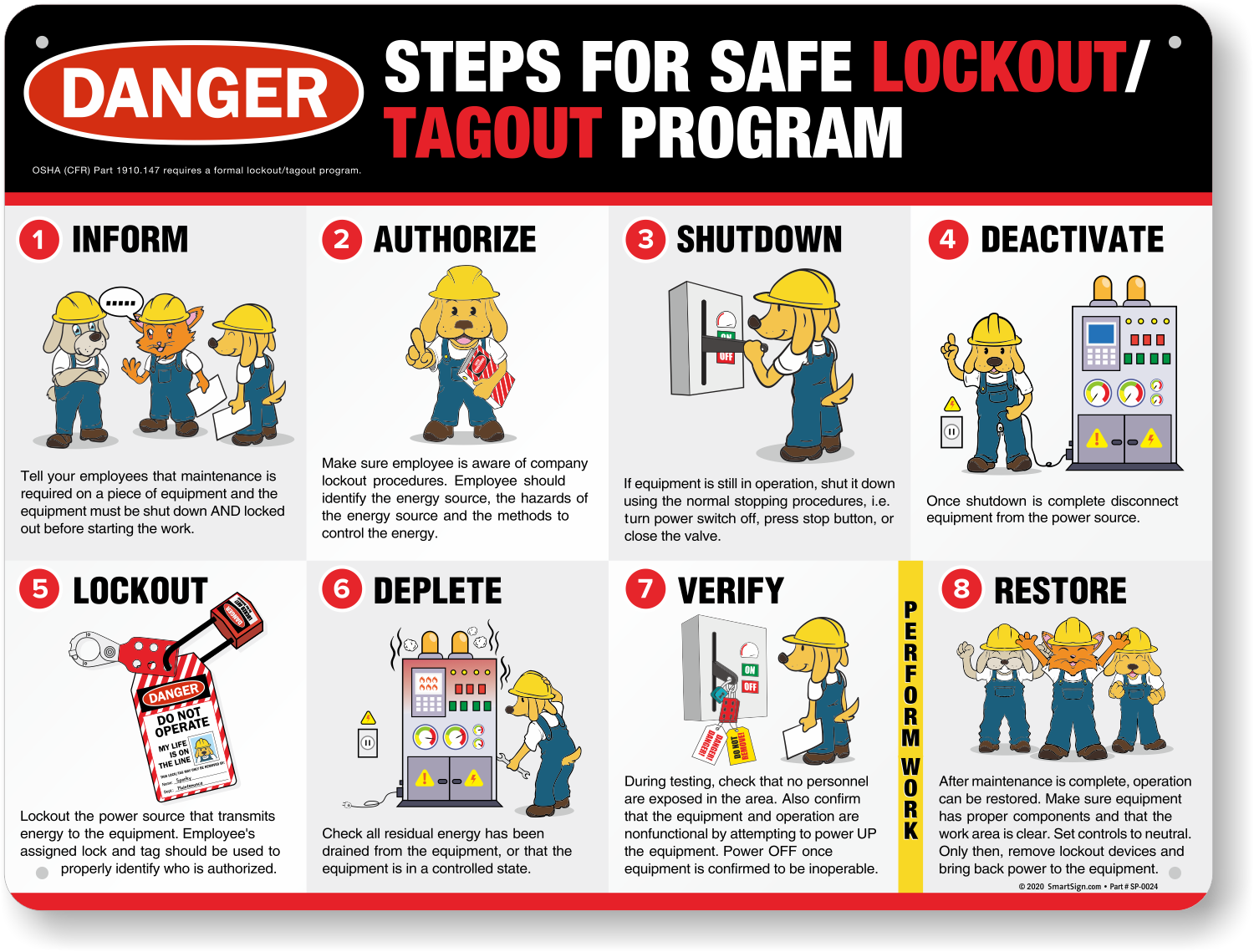
- Energy Isolation: Physically disconnecting all energy sources—electrical, hydraulic, pneumatic, thermal, chemical, or mechanical.
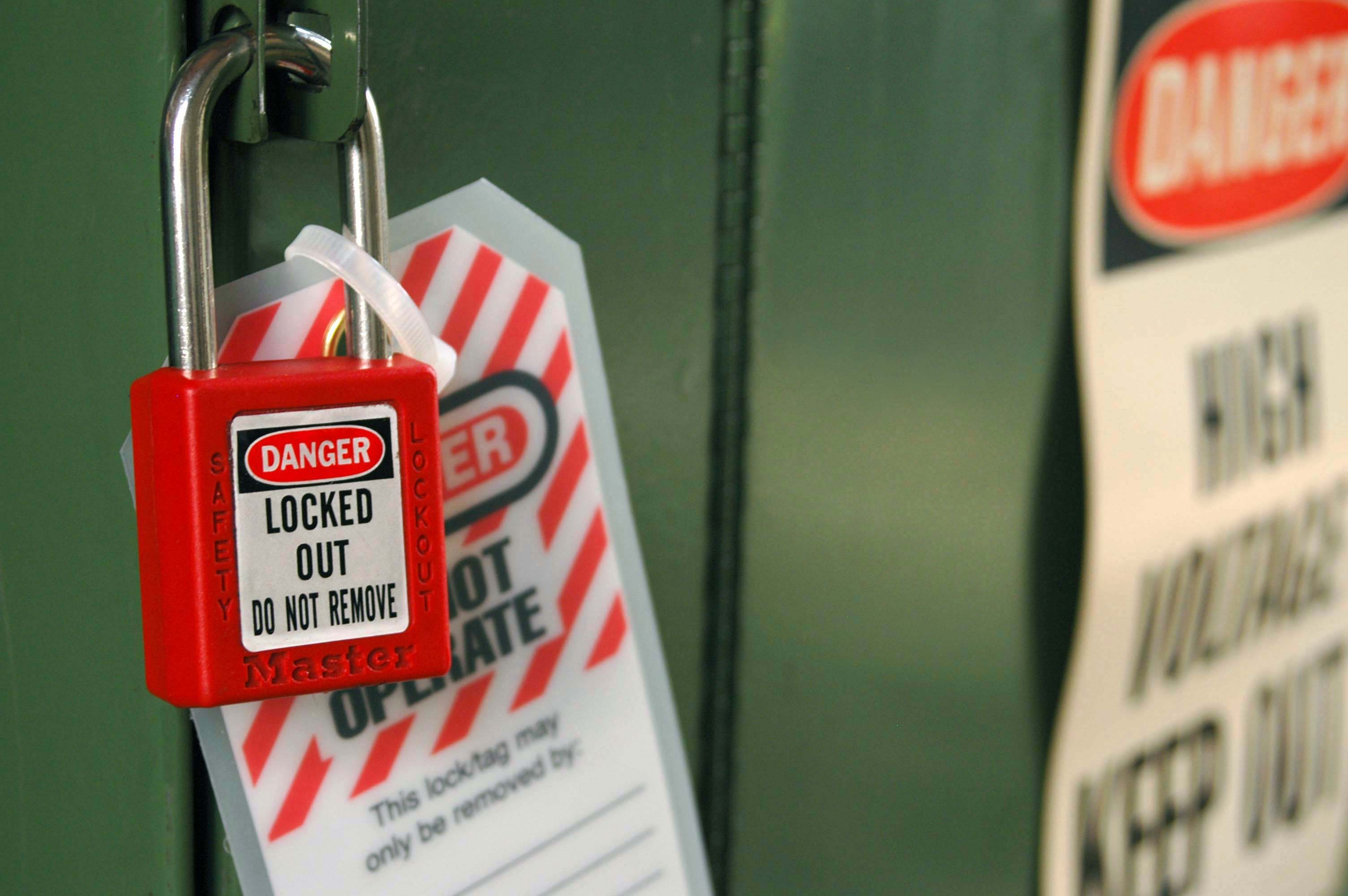
- Lock Application: Using a personal lock to secure the energy-isolating device so only the authorized employee can restore power.
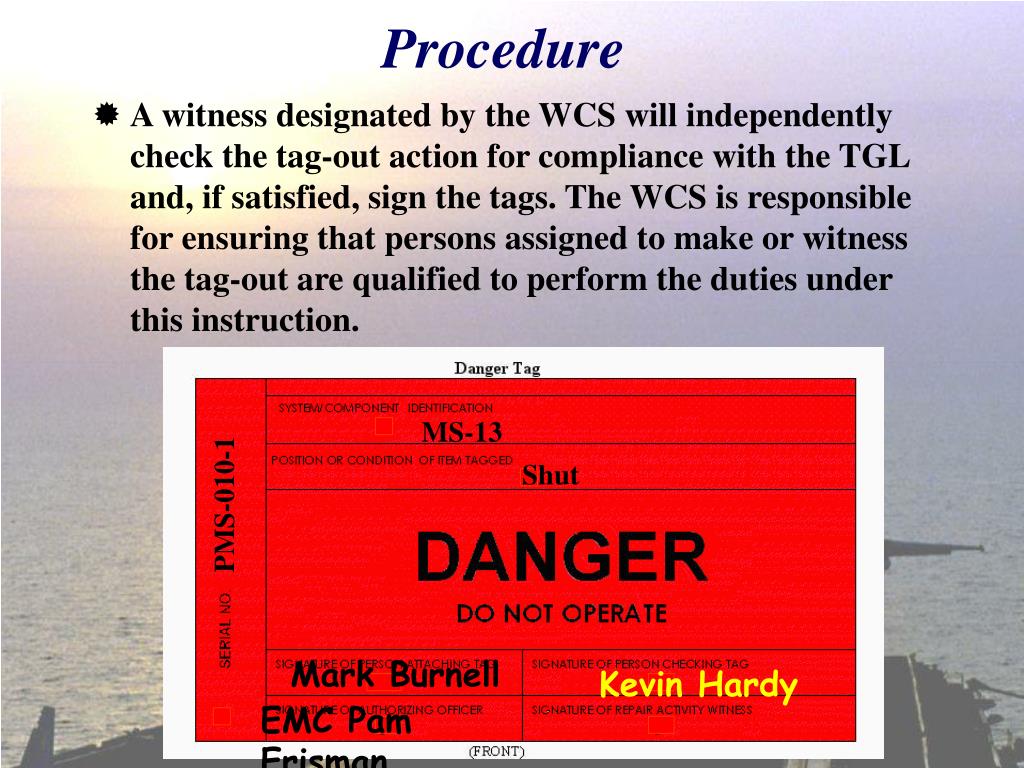
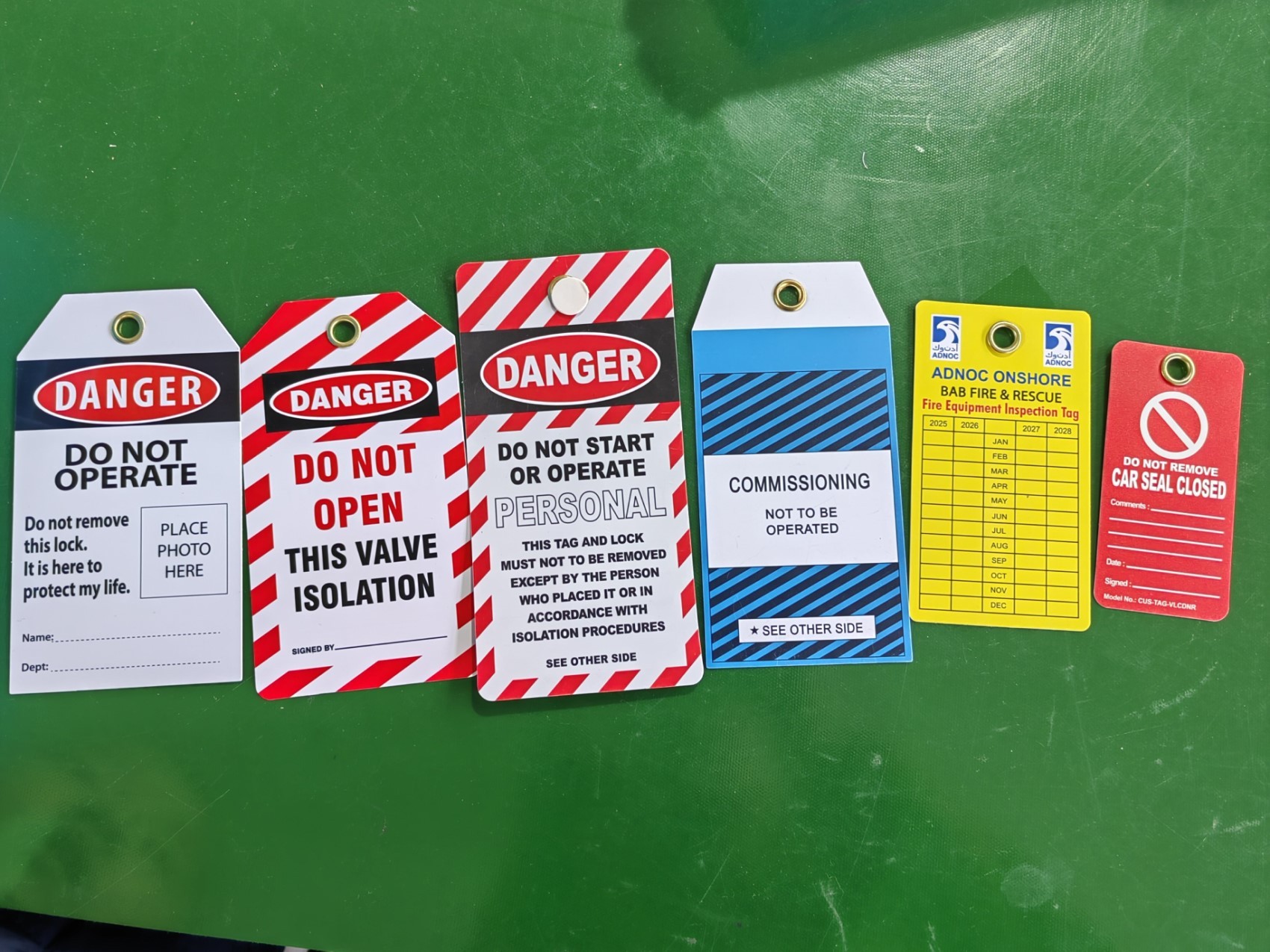
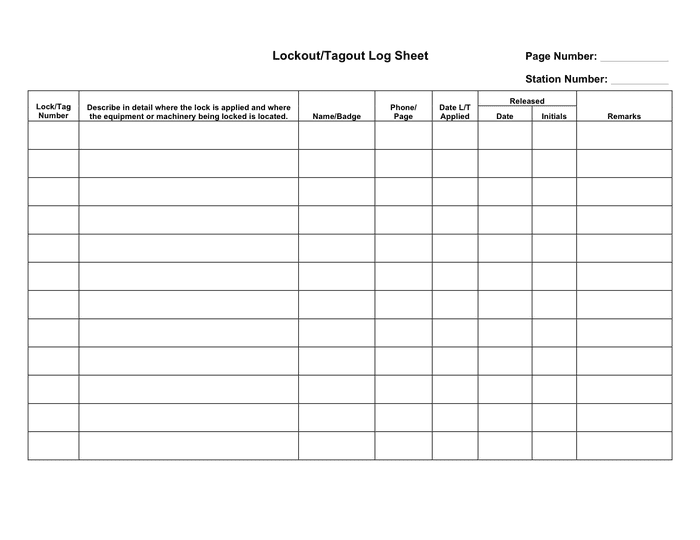
- Tagging: Attaching a durable label that identifies the worker, the date, and the reason for the lockout.
- Verification: Testing the machine to confirm it cannot start up, even if controls are activated.
These steps form a closed loop of accountability. A single weak link—like failing to verify de-energization—can render the entire system ineffective.
For example, a maintenance worker locking out a circuit breaker but forgetting to bleed residual pressure from a hydraulic line risks an uncontrolled release of energy. That’s why isolation must cover all energy forms, not just the obvious ones.
When Is Lock Out Tag Out Required?
OSHA standard 29 CFR 1910.147 mandates LOTO anytime employees service or maintain machines where unexpected energization could cause harm. But the rule applies under very specific conditions:
- The machine has multiple energy sources.
- Employees must remove or bypass safety guards.
- Workers place any body part into a point of operation.
- Adjustments or cleaning require direct contact with moving parts.
Common scenarios include changing blades on a press, clearing a jam in a conveyor, or replacing motors in industrial mixers.
Consider a food processing plant where a worker needs to unclog a meat grinder. Without LOTO, someone could flip the power switch remotely, turning a routine fix into a traumatic incident. With LOTO, the machine is locked at the disconnect point, tagged, and tested—eliminating that risk.
It’s also crucial to recognize when LOTO doesn’t apply. Minor tool changes, routine adjustments, or cleaning tasks that don’t expose workers to hazardous motion may fall under “minor servicing exceptions”—but only if they’re performed during normal production and use alternative protective measures.
How to Implement a LOTO Program Step by Step
An effective LOTO program isn’t just policy—it’s a culture. Here’s how to build one that sticks:
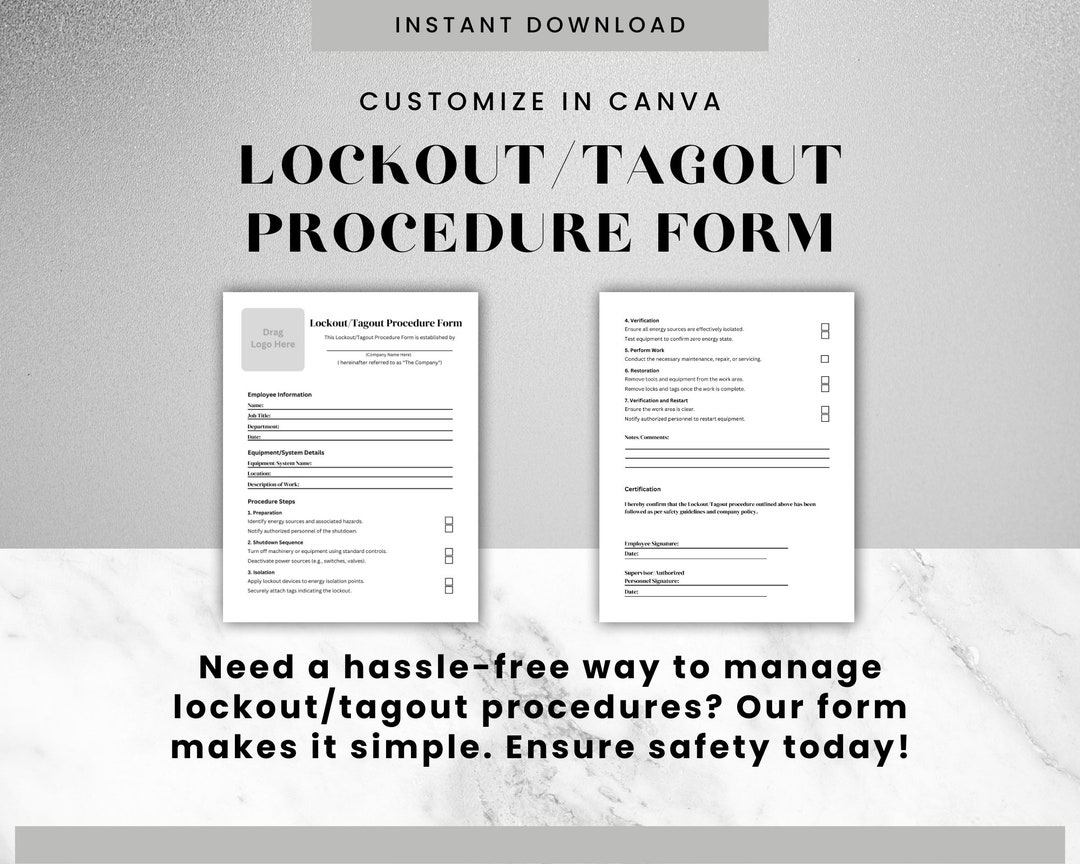
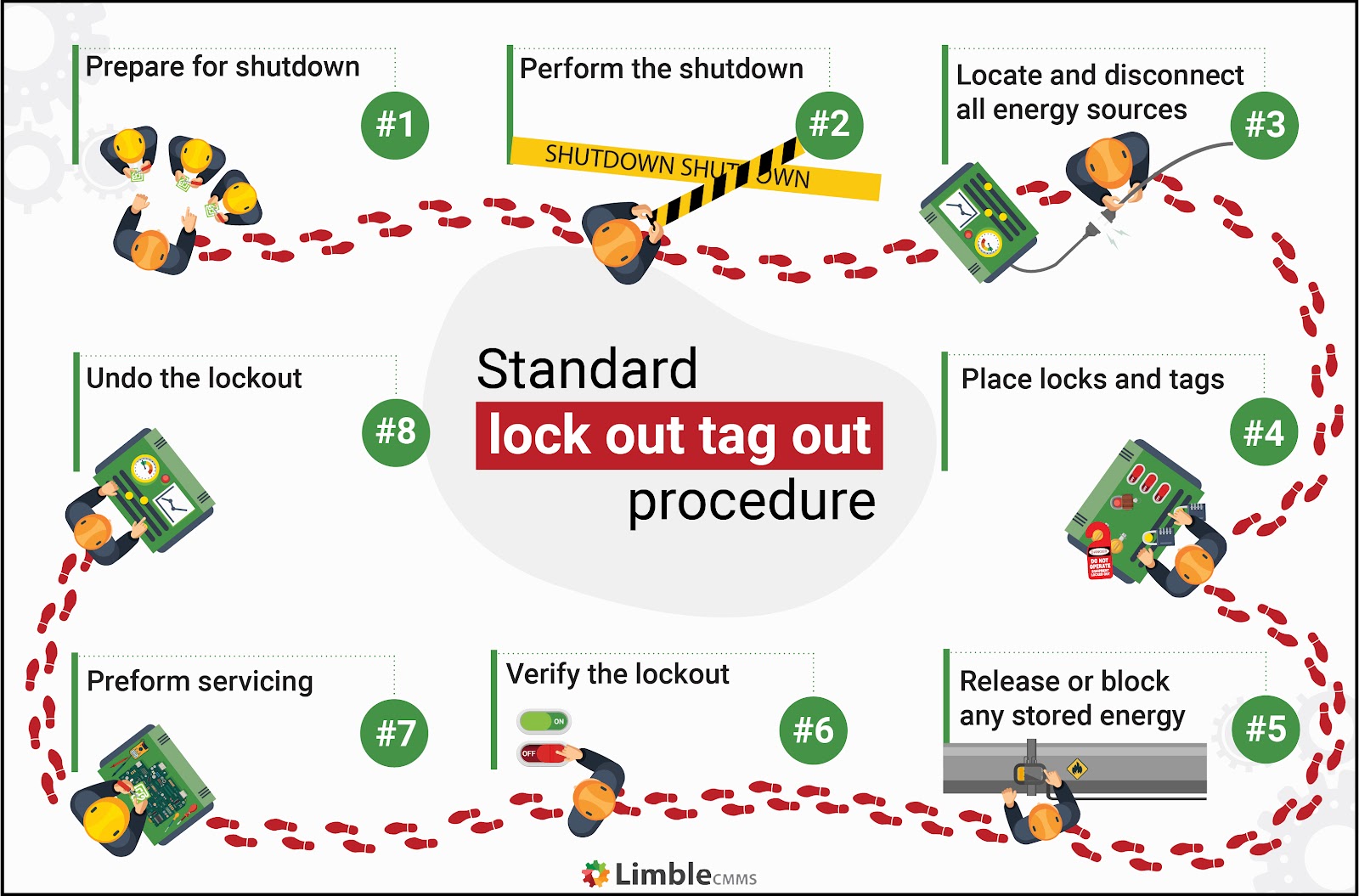
#### 1. Conduct an Energy Control Survey Inventory every machine that requires servicing. Identify all energy sources and isolation points. For each, document lockable disconnects, bleed valves, and stored energy risks.
#### 2. Develop Machine-Specific Procedures One-size-fits-all doesn’t work. A CNC machine needs different steps than a boiler system. Write clear, step-by-step instructions for each, including: - Sequence for shutting down - Location of energy isolators - Type of lockout device required - Verification method
#### 3. Train Employees Thoroughly Both authorized employees (who perform LOTO) and affected employees (who operate equipment) need training. Authorized staff must know how to isolate energy and verify zero state. Affected workers must understand not to tamper with locks or attempt to re-energize tagged equipment.
#### 4. Use Standardized Lockout Devices Invest in high-quality hasps, valve locks, circuit breaker locks, and group lockboxes. Use employee-specific locks with unique keys—no master keys allowed. Tags should be durable, weather-resistant, and include space for critical details.
#### 5. Perform Periodic Inspections At least annually, a supervisor should audit LOTO procedures. Watch an employee perform a full cycle: shutdown, isolation, lock application, verification, and removal. Document gaps and retrain as needed.
One manufacturing plant reduced LOTO violations by 72% after switching to color-coded locks and introducing monthly spot checks. Simple changes, big impact.
Common LOTO Mistakes and How to Avoid Them
Even experienced teams make errors. Some of the most frequent LOTO failures include:
| Mistake | Risk | Solution |
|---|---|---|
| Using tags without locks | Tags can be removed; no physical barrier | Always use lock + tag combo |
| Shared or master locks | Breaks personal accountability | Issue individual locks with unique IDs |
| Skipping verification | Machine may still be energized | Test controls after lockout |
| Incomplete energy isolation | Overlooking secondary sources (e.g., springs, capacitors) | Map all energy types during survey |
| Poor tag condition | Illegible or missing info | Use weatherproof tags with permanent ink |
Another widespread issue is “buddy lockout,” where one worker locks out for an entire team. While group lockout is acceptable, each individual must apply their own lock to a common hasp. Relying on one person’s lock creates a single point of failure.
Also, shift changes pose special risks. The oncoming worker must verify isolation and apply their lock before the outgoing worker removes theirs. Never transfer responsibility without full re-validation.
Real-World Use Cases: LOTO in Action
Case 1: Automotive Manufacturing On an assembly line, robots weld car frames using high-voltage power and compressed air. During maintenance, technicians must lock out both the main power disconnect and pneumatic supply valves. They use a magnetic breaker lock and a pneumatic lockout clamp, tag both, and test by attempting to activate the robot. Only when it fails to respond do they proceed.
Case 2: HVAC Maintenance A technician servicing a rooftop unit must isolate electrical power at the disconnect box and secure the gas valve. But they also need to ensure the system is depressurized. After locking both points, they bleed refrigerant lines and confirm zero pressure with a gauge—proving stored energy is neutralized.
Case 3: Chemical Processing Plant Workers replacing a pump in a corrosive fluid line must lock out the motor, close and lock isolation valves, and drain residual fluid. They tag the line as “In Maintenance – Do Not Open,” and place barriers to prevent accidental access.
These examples highlight that LOTO isn’t just about electricity—it’s about controlling all hazardous energy in a coordinated way.
LOTO Devices and Tools: What You Need
Choosing the right equipment ensures reliability and ease of use. Here are five essential LOTO tools:
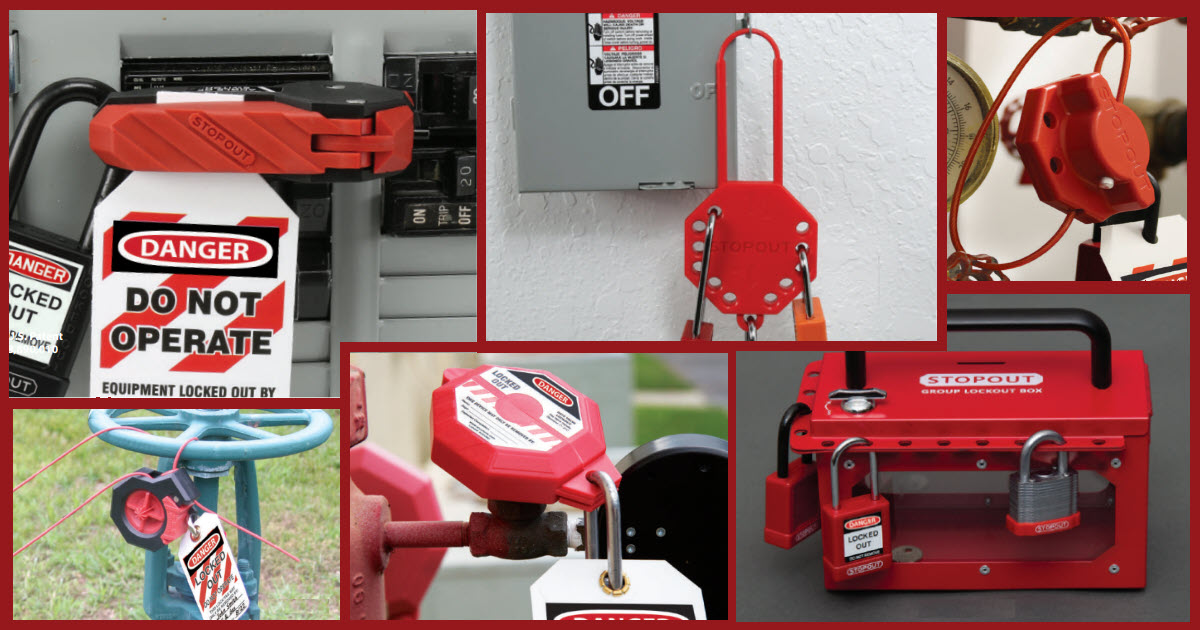
- Circuit Breaker Locks – Slide over breaker toggles to prevent activation. Available for single or multi-pole breakers.
- Valve Lockout Devices – Wrap around valve handles or stems, preventing rotation. Use for ball, gate, and needle valves.
- Hasps and Padlocks – Allow multiple workers to apply individual locks to one isolation point. Ideal for group maintenance.
- Plug Lockouts – Secure electrical cords from being plugged in. Useful for portable equipment.
- Group Lockout Stations – Mobile carts or wall-mounted kits containing locks, tags, hasps, and instructions for team use.
Brands like Master Lock, Brady, and Honeywell offer industrial-grade solutions. But the best tool is the one that fits your equipment and enforces compliance. A poorly designed lock that’s hard to install will be bypassed—no matter how high-quality.
The Cost of Skipping LOTO
The consequences of non-compliance aren’t just regulatory—they’re human. OSHA estimates that proper LOTO control prevents nearly 120 fatalities and 50,000 injuries annually in the U.S. alone.
Fines for violations can exceed $15,000 per instance. But the real cost is measured in lost productivity, medical expenses, worker trauma, and reputational damage.
A 2022 incident at a paper mill saw a worker’s arm severely injured when a colleague restarted a pulper without checking for LOTO. The company faced a $132,000 OSHA penalty and a months-long operational review. More importantly, the worker never returned to full duty.
Prevention is always cheaper—and safer—than correction.
Build a Culture of Accountability
LOTO isn’t a checklist. It’s a mindset. The most effective programs integrate safety into daily operations through:
- Visible leadership commitment
- Consistent enforcement
- Peer accountability
- Easy access to lockout tools
- Recognition for safe behavior
Encourage workers to stop any task if LOTO isn’t properly applied. Empower them to question procedures and report near-misses without fear of reprisal.
When LOTO becomes second nature—when every worker instinctively reaches for their lock before touching a machine—you’ve achieved real safety.
Start today: audit one machine, write its procedure, train one team. Small steps build unbreakable habits.
FAQ
What does lock out tag out mean? Lock out tag out is a safety procedure that isolates energy sources from machinery and uses locks and tags to prevent accidental startup during maintenance.
Who is responsible for applying LOTO? Authorized employees—those trained to service equipment—are responsible for implementing LOTO. Affected employees must respect the locks and tags.
Can you use only a tag without a lock? No. Tags alone are not sufficient. OSHA requires a physical lock to prevent energization. Tags are informational but don’t provide security.
What happens if a worker loses their lock key? The lock must be removed under the supervision of a manager using a documented override procedure. The employee should never leave their lock in place indefinitely.
Is LOTO required for corded power tools? Yes, if the tool requires servicing where hazardous motion could occur. Unplugging alone isn’t enough—plug lockout devices should be used.
How often should LOTO procedures be reviewed? At least annually, or whenever equipment changes, new hazards emerge, or an incident occurs.
Can multiple people use the same lock? No. Each authorized employee must use their own personal lock. Shared locks undermine accountability.
FAQ
What should you look for in What Is Lock Out Tag Out and Why It Matters? Focus on relevance, practical value, and how well the solution matches real user intent.
Is What Is Lock Out Tag Out and Why It Matters suitable for beginners? That depends on the workflow, but a clear step-by-step approach usually makes it easier to start.
How do you compare options around What Is Lock Out Tag Out and Why It Matters? Compare features, trust signals, limitations, pricing, and ease of implementation.
What mistakes should you avoid? Avoid generic choices, weak validation, and decisions based only on marketing claims.
What is the next best step? Shortlist the most relevant options, validate them quickly, and refine from real-world results.