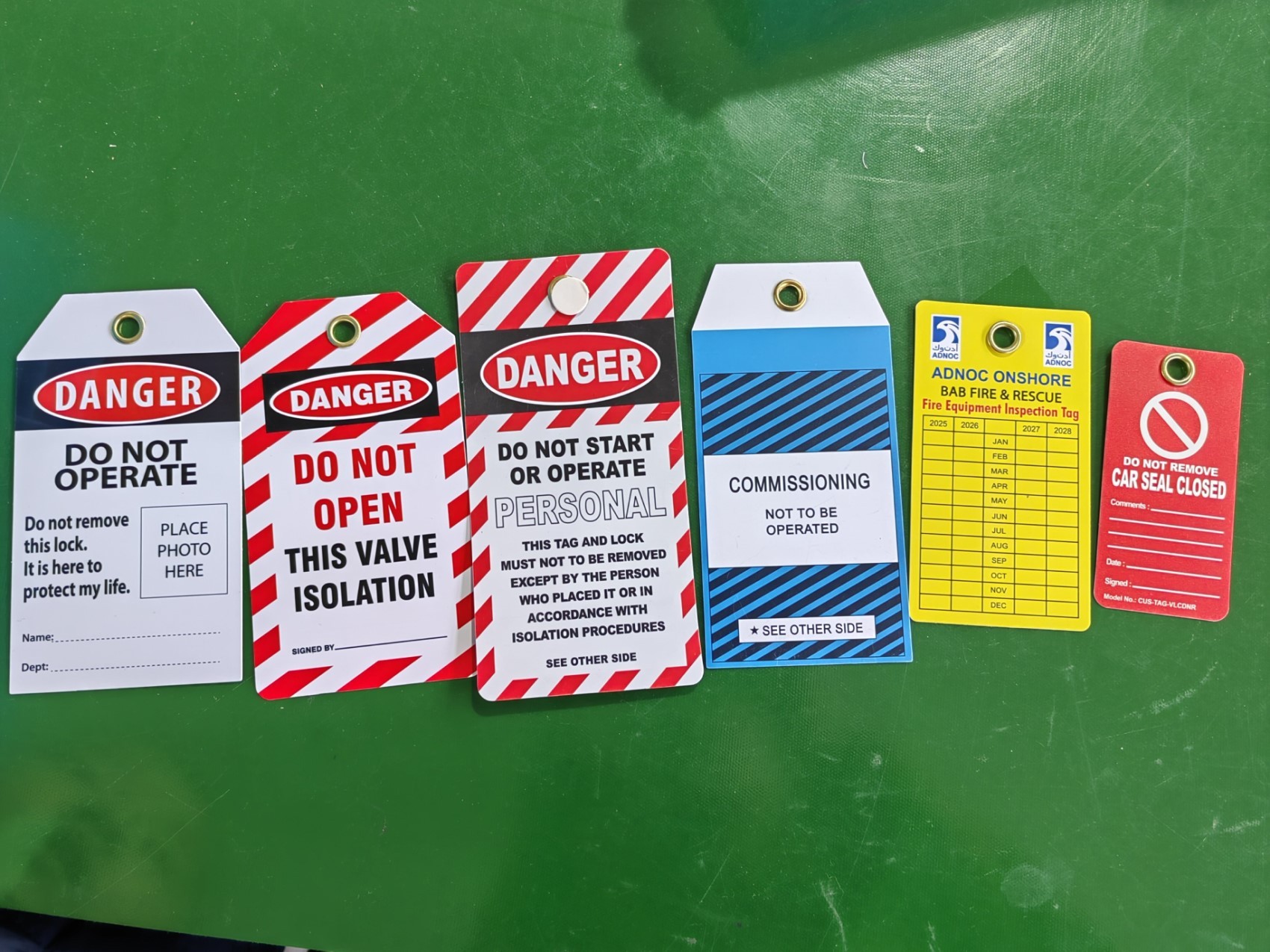
Every year, preventable workplace accidents occur because machinery is accidentally energized during maintenance. A single misstep—bypassing a lock, skipping a tag, assuming a machine is safe—can lead to crushing injuries, electrocution, or fatalities. The solution isn’t complex technology or expensive upgrades. It’s a consistent, meaningful lockout tagout safety message embedded into your organization’s culture.
Lockout tagout (LOTO) isn’t just a procedure. It’s a promise: No work begins until energy sources are isolated, locked, and verified. When communicated effectively, this safety message becomes a shared responsibility across teams, reinforcing accountability and awareness.
This article breaks down the real-world impact of a strong LOTO safety message, outlines common breakdowns, and delivers practical strategies to turn policy into practice.
Why a Lockout Tagout Safety Message Matters
A formal LOTO program means little if workers don’t internalize its purpose. The safety message transforms compliance from a checklist into a mindset.
Consider this scenario: A maintenance technician begins repairing a conveyor belt. The machine appears off. But someone on another shift resets a breaker remotely, unaware of the ongoing work. The conveyor activates—catastrophe follows.
This isn’t hypothetical. According to OSHA, nearly 10% of serious accidents in manufacturing are linked to unexpected energization of equipment—precisely what LOTO is designed to prevent.
A strong safety message counters complacency. It reminds teams that: - Energy sources aren’t only electrical—hydraulic, pneumatic, thermal, and gravitational energy pose real risks. - Assumptions kill. “I thought it was off” isn’t a defense. - One lock, one key, one person in control—that’s the standard.
When leadership consistently communicates this message, it shifts from “something we do” to “something we believe in.”
Core Elements of an Effective LOTO Safety Message
A powerful safety message isn’t vague or generic. It’s specific, repeatable, and tied to real consequences. Here’s what it must include:
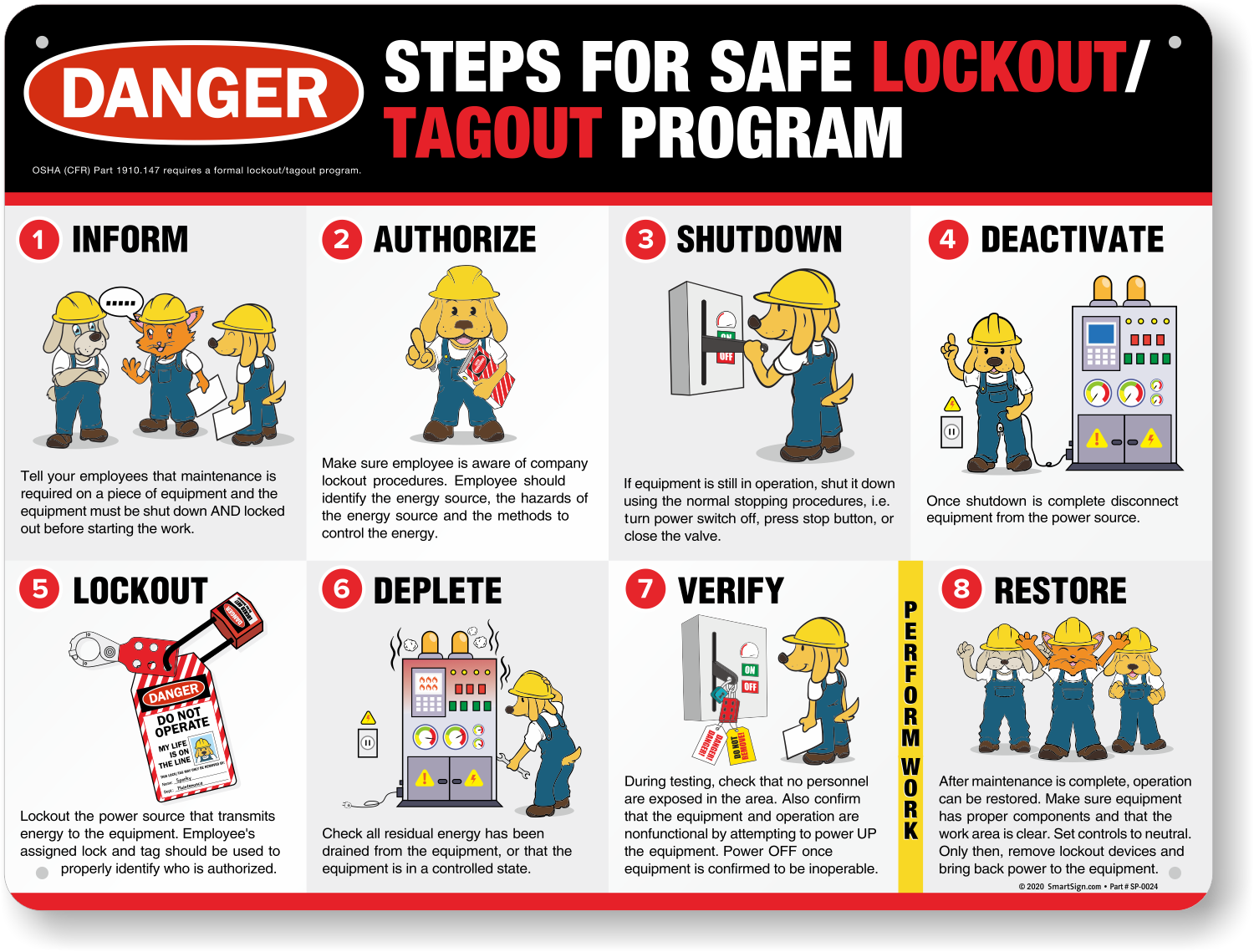
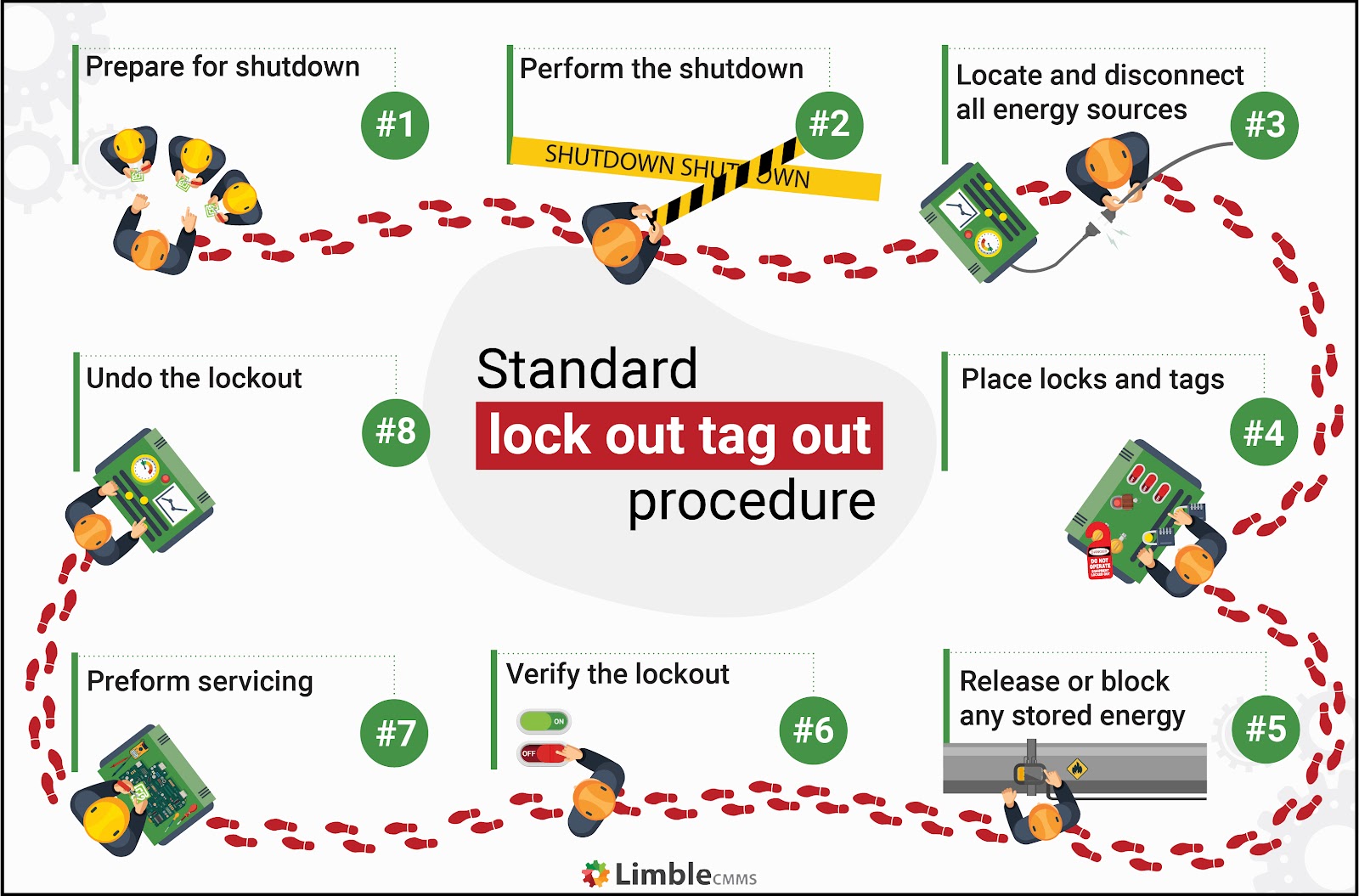
#### 1. Clarity of Purpose Workers should know why LOTO exists—not just that it exists. Use plain language: "Before any service or maintenance, machines must be shut down, isolated from all energy sources, locked in the off position, and tested to confirm zero energy."
Avoid jargon. Replace “de-energized state” with “verified off and safe to touch.”
#### 2. Ownership and Accountability Each employee authorized to perform LOTO must apply their own lock and tag. No exceptions. The message must reinforce that your lock = your responsibility.
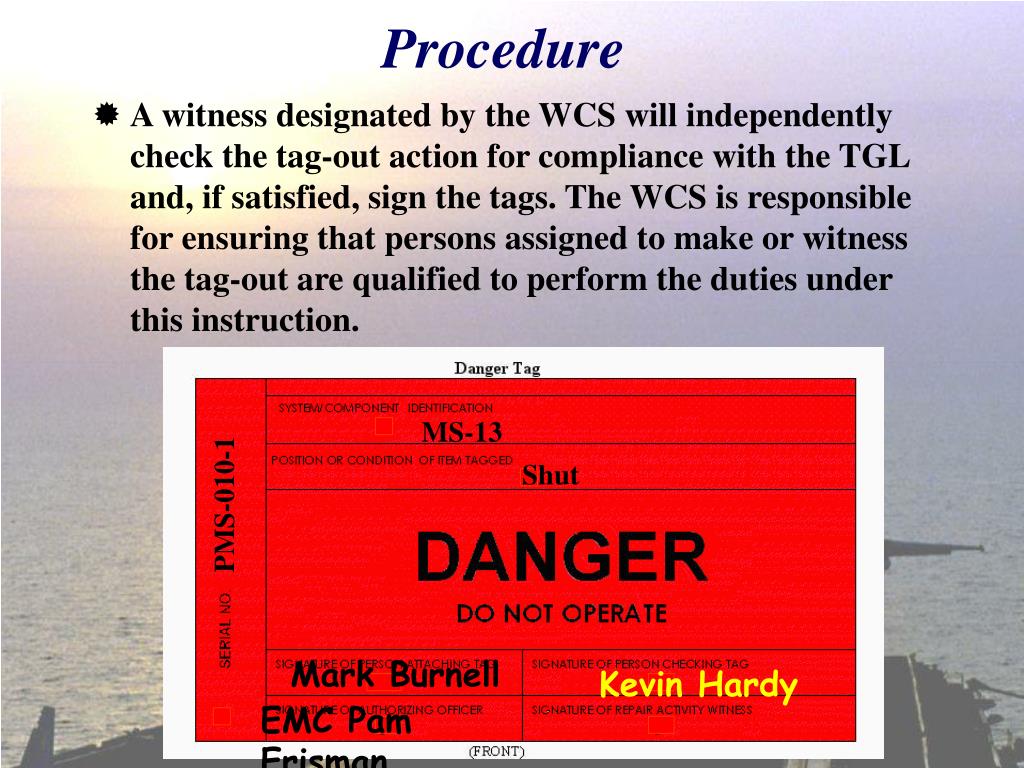
#### 3. Inclusion of Tagging Locks prevent physical activation. Tags communicate why the lock is there, who applied it, when, and what work is being performed. A tag without a lock is inadequate. A lock without a tag is dangerous.
#### 4. Verification Step The most overlooked part of LOTO: proving the machine is safe. The message must emphasize test before touch—using voltage testers, pressure gauges, or other tools to confirm zero energy.
#### 5. Consistency Across Shifts A night-shift technician must trust that a locked-out machine stays locked out until morning. The safety message must transcend shifts, departments, and management levels.
Common LOTO Safety Message Failures (And How to Fix Them)
Even organizations with LOTO programs suffer breakdowns. Here are the most frequent failures—and how to correct them:
![Lockout/Tagout Safety [Infographic] | Creative Safety Supply](https://www.creativesafetysupply.com/content/images/infographic/sharing/469.jpg)
#### Failure 1: “I’ll Just Quickly Reset It” A common violation: someone removes a lock because they don’t understand its purpose. Fix: Train all employees—not just authorized ones—on the meaning of LOTO. Include LOTO awareness in onboarding.
#### Failure 2: Group Lockout Confusion In team maintenance, multiple workers lock one energy source. But the procedure ends when the last lock is removed, not the first. Fix: Use a group lockout box. Each worker applies their lock to the box, which holds the single energy isolation device. Only when all tasks are complete do locks come off.
#### Failure 3: Tag Fading or Missing Info Tags left in place too long become illegible. Pens smear. Weather damages outdoor tags. Fix: Use durable, weather-resistant tags. Require date, name, department, and work description on every tag.
#### Failure 4: Bypassing Procedures for “Simple” Tasks Changing a blade, clearing a jam, replacing a filter—these aren’t “minor” if energy is present. Fix: Define “minor servicing” exceptions only if they meet OSHA criteria: routine, repetitive, on the machine’s normal production cycle, and lasting under 10 minutes. Otherwise, full LOTO applies.
#### Failure 5: Incomplete Energy Source Identification A machine may have electrical, hydraulic, and stored spring tension. Missing one source invalidates the entire procedure. Fix: Develop machine-specific LOTO procedures with diagrams showing all energy types and isolation points.
Real-World LOTO Safety Messages That Work
Generic slogans don’t stick. Effective messages are concise, memorable, and tied to behavior.
Here are five examples used in high-risk industries:
- “See a lock? Walk away. It’s not your call.”
- Reinforces that only the lock’s owner can remove it.
- “No lock, no tag, no work.”
- Simple, non-negotiable rule for maintenance teams.
- “If it’s not locked out, it’s not safe out.”
- Rhyme aids recall and reinforces zero tolerance for shortcuts.
- “Your lock protects lives—even if you can’t see them.”
- Encourages empathy and responsibility beyond the immediate team.
- “Verify it’s dead. Don’t assume.”
- Direct instruction to test for zero energy.
These aren’t posters to hang and forget. They’re phrases repeated in toolbox talks, safety huddles, and performance reviews.
Building a LOTO Safety Culture: Beyond the Message
A powerful safety message is the foundation. But culture requires action. Here’s how to sustain it:
#### Conduct Regular LOTO Audits Schedule monthly or quarterly audits. Watch real employees perform lockout procedures. Look for: - Correct sequence of shutdown - Proper lock and tag application - Verification of zero energy - Use of personal locks (not shared)
Document findings. Share successes and correct gaps immediately.
#### Empower Workers to Stop Work Train every employee to halt operations if they see a LOTO violation. “Stop Work Authority” isn’t just policy—it’s protection.
Make it safe to speak up. No retaliation for raising concerns.
#### Reinforce with Real Stories Share near-miss reports or incident summaries (without blaming individuals). Example: "A worker in Ohio lost two fingers when a press cycled during cleaning. The disconnect wasn’t locked. The tag was missing. This could have been prevented."
Stories create emotional impact—far more than rules alone.
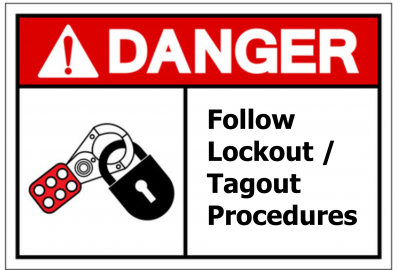
#### Update Procedures with User Feedback Maintenance technicians often know the best isolation points. Involve them in refining LOTO procedures. Their input improves compliance and safety.
LOTO Devices: Choosing the Right Tools for the Message
Your safety message is only as strong as the tools that support it. Using outdated, poorly designed locks or tags undermines credibility.
Here are five essential LOTO tools, with real-world applications:
| Tool | Purpose | Best For |
|---|---|---|
| Personal Lockout Hasps | Allows multiple locks on one isolation point | Group maintenance on large machinery |
| Valve Lockouts | Secures closed valves for pneumatic/hydraulic systems | Chemical plants, refineries |
| Circuit Breaker Locks | Prevents breaker re-energization | Electrical panels, HVAC units |
| Tagout Tags with Write-Areas | Communicates worker name, date, reason | All applications requiring traceability |
| Lockout Stations | Centralized storage for locks, tags, hasps | High-traffic maintenance areas |
Invest in quality. Cheap plastic locks can break. Faded tags are useless. Use durable, standardized equipment that matches your safety message.
Training That Turns Messages into Habits
Annual training isn’t enough. LOTO knowledge decays. Workers forget steps. New hires lack context.
Effective training includes:
- Hands-on practice: Use actual machines or simulators to perform full LOTO sequences.
- Scenario drills: “A coworker asks you to reset a locked breaker. What do you do?”
- Refresher micro-sessions: 10-minute huddles before high-risk tasks.
- Competency verification: Require workers to demonstrate LOTO under observation.
Tailor training to roles: - Authorized employees perform LOTO and need in-depth training. - Affected employees operate equipment but don’t service it—train them to recognize and respect LOTO.
Documentation is critical. Keep records of training dates, content, and sign-offs. OSHA requires retraining when procedures change or violations occur.
Closing the Loop: Make the Message Stick
A lockout tagout safety message isn’t a slogan on a wall. It’s a living standard that protects people every day.
To make it real: - Start each shift with a safety reminder. - Recognize teams that follow LOTO flawlessly. - Investigate every near miss—don’t wait for injury. - Lead by example. When managers respect LOTO, others do too.
Your message should echo through every action: Isolate. Lock. Tag. Verify. Protect.
That’s not just policy. That’s commitment.
FAQ
What is the most important part of a lockout tagout safety message? The most critical element is clear accountability: each worker applies their own lock, understands why it’s there, and knows no one else can remove it.
Can a tag alone be used instead of a lock? No. OSHA requires a lock to physically prevent energization. Tags are warnings, not restraints. Use both.
Who is responsible for enforcing the LOTO safety message? All leaders and supervisors must enforce it, but every employee shares responsibility for compliance and intervention.
How often should LOTO procedures be reviewed? Review and inspect procedures at least annually, or whenever equipment, processes, or personnel change.
What should a LOTO tag include? Name of the authorized employee, date, shift, reason for lockout, and type of energy controlled.
Does LOTO apply to corded equipment? Yes. If a plug is the only energy isolation point, use a plug lockout device and apply a tag.
Can multiple people use the same lockout point? Yes, using a group lockout hasp or box. Each worker applies their personal lock. The device stays locked until all workers remove their locks.
FAQ
What should you look for in Lockout Tagout Safety Message: Protect Lives, Prevent Accidents? Focus on relevance, practical value, and how well the solution matches real user intent.
Is Lockout Tagout Safety Message: Protect Lives, Prevent Accidents suitable for beginners? That depends on the workflow, but a clear step-by-step approach usually makes it easier to start.
How do you compare options around Lockout Tagout Safety Message: Protect Lives, Prevent Accidents? Compare features, trust signals, limitations, pricing, and ease of implementation.
What mistakes should you avoid? Avoid generic choices, weak validation, and decisions based only on marketing claims.
What is the next best step? Shortlist the most relevant options, validate them quickly, and refine from real-world results.